Ever wondered why your shots miss or your character stutters in crucial moments? The answer often lies in ping. This comprehensive guide dives deep into how ping affects online gaming, offering practical solutions for US gamers juggling life, work, and their passion for virtual worlds. We'll explore what ping is, its impact on competitive and casual play, and actionable steps to reduce lag. Discover how to troubleshoot common connection issues, optimize your home network, and ensure your precious gaming time is spent enjoying smooth, responsive gameplay, whether you're dominating an arena or chilling with friends in a cozy co-op title. Understand why an estimated 87% of US gamers play regularly, often for 10+ hours a week, and how optimizing ping is key to maximizing that valuable time and enhancing your overall online experience. Get ready to transform your latency woes into wins with expert insights for 2026 and beyond.
What is ping and why does it matter for gaming?
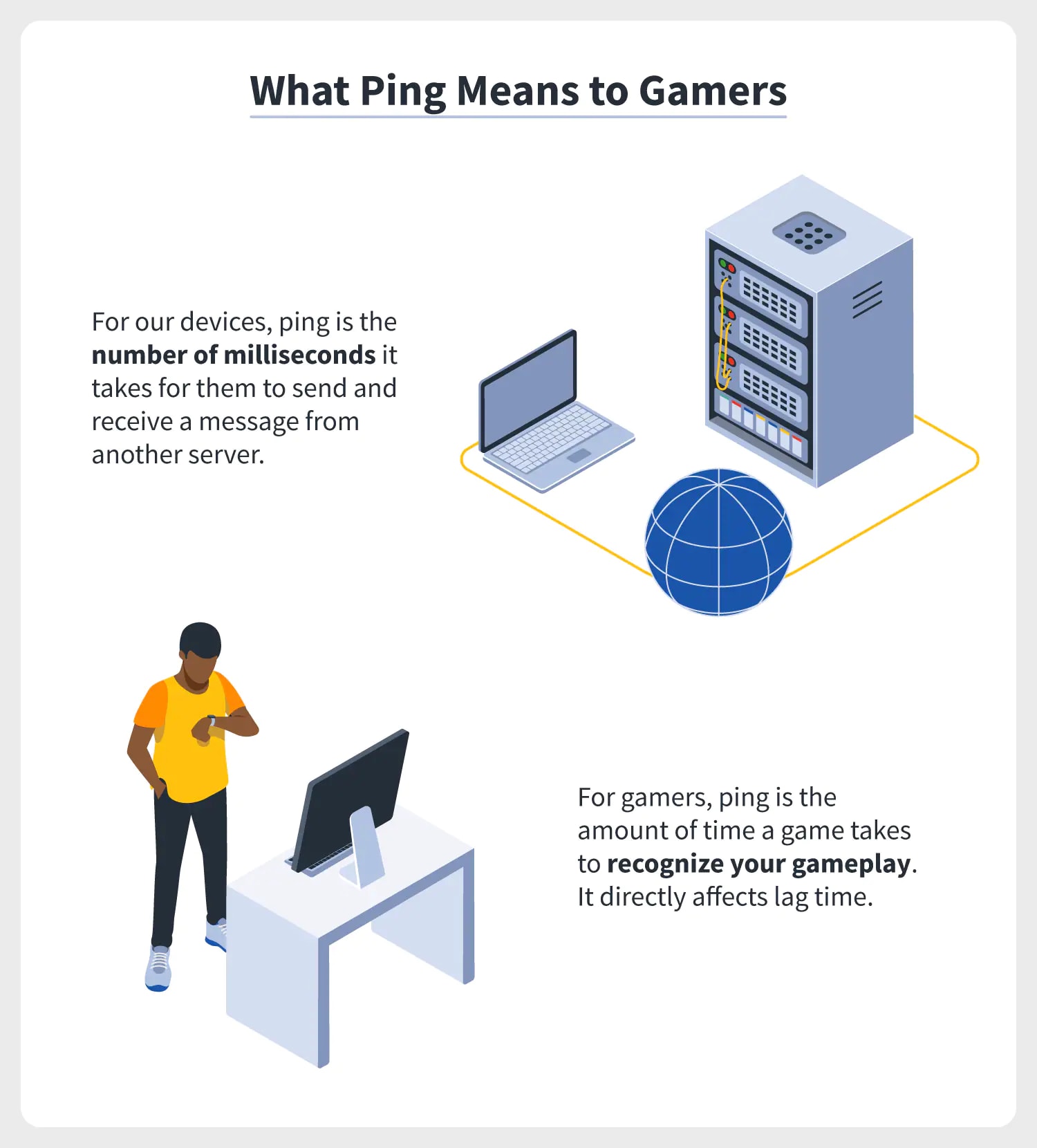
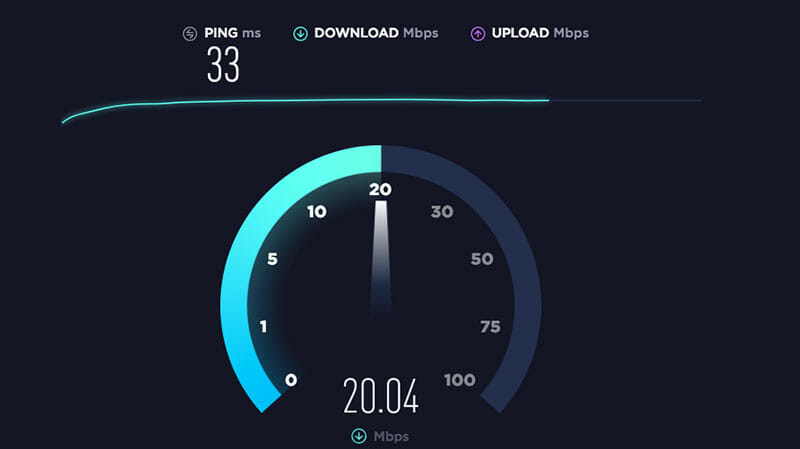
Ping is the measurement, in milliseconds (ms), of how long it takes for a signal to travel from your gaming device to a server and back. It matters immensely for gaming because it dictates how quickly your actions in a game register on the server and how fast you receive updates from the server. Low ping means near-instant responsiveness, crucial for competitive play and a smooth experience, while high ping leads to noticeable delays, known as lag.
How does high ping impact gameplay?
High ping creates a frustrating experience by causing significant delays. This means your character might stutter or 'teleport,' your shots could miss even if you aimed accurately, and enemy movements might appear jerky or delayed. In essence, high ping makes the game feel unresponsive and can put you at a severe disadvantage, especially in fast-paced or competitive online titles where every millisecond counts for reactions and precision.
What causes high ping?
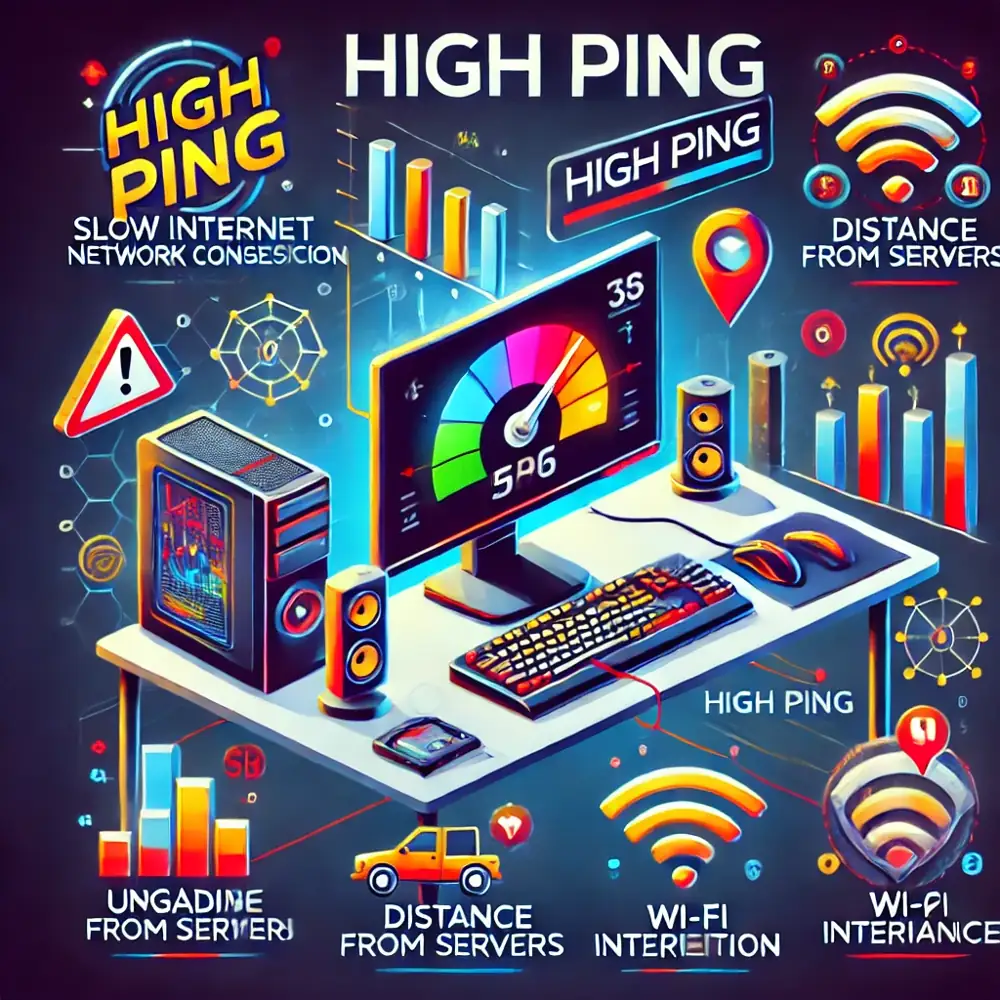
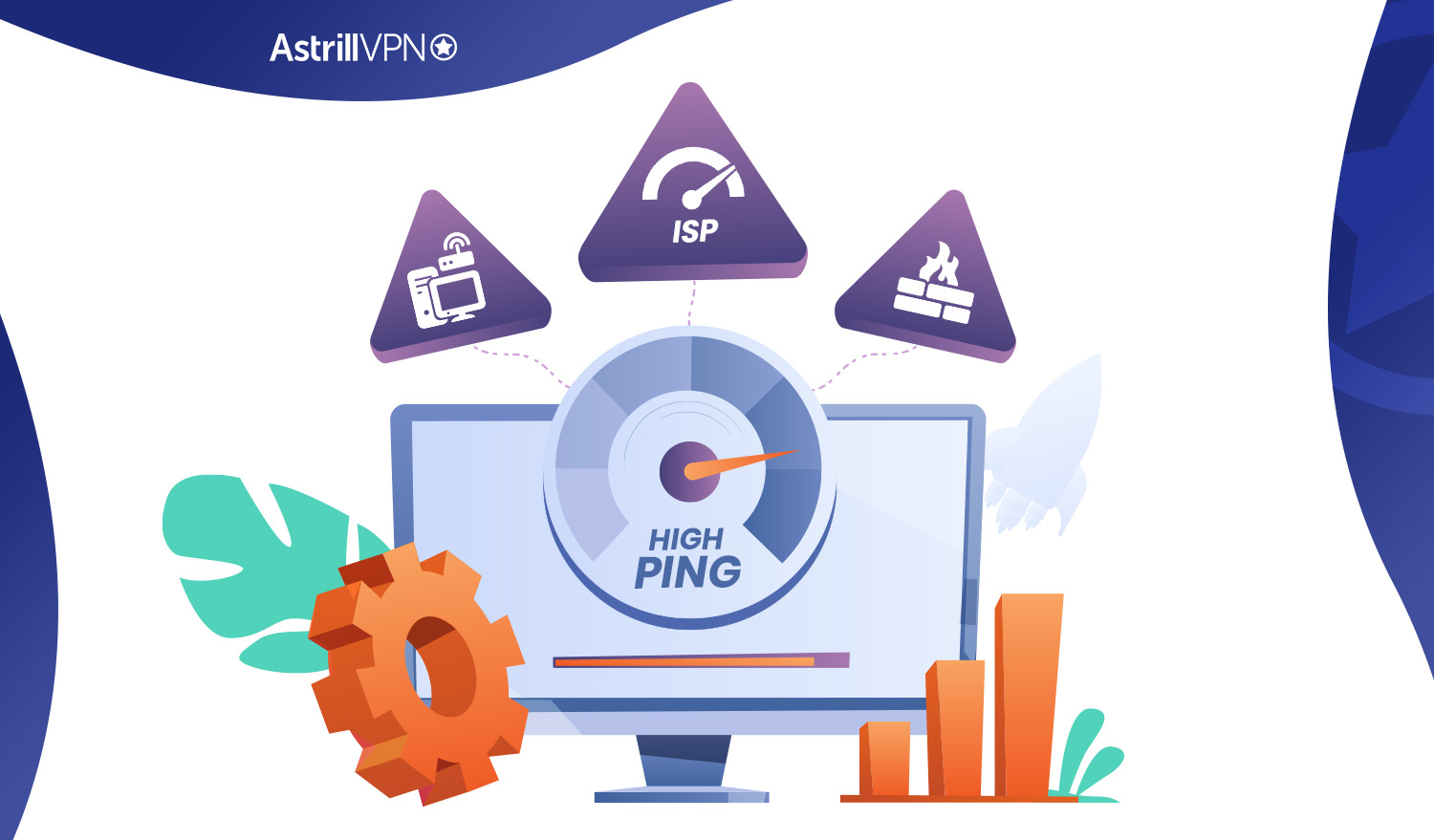
Several factors can cause high ping. The most common include the physical distance between your gaming device and the game server, network congestion (too many devices using bandwidth at home, or heavy internet traffic), issues with your Internet Service Provider's (ISP) routing, outdated router firmware, or interference if you're using a Wi-Fi connection. Background applications running on your computer can also consume bandwidth and increase ping.
How can I lower my ping?
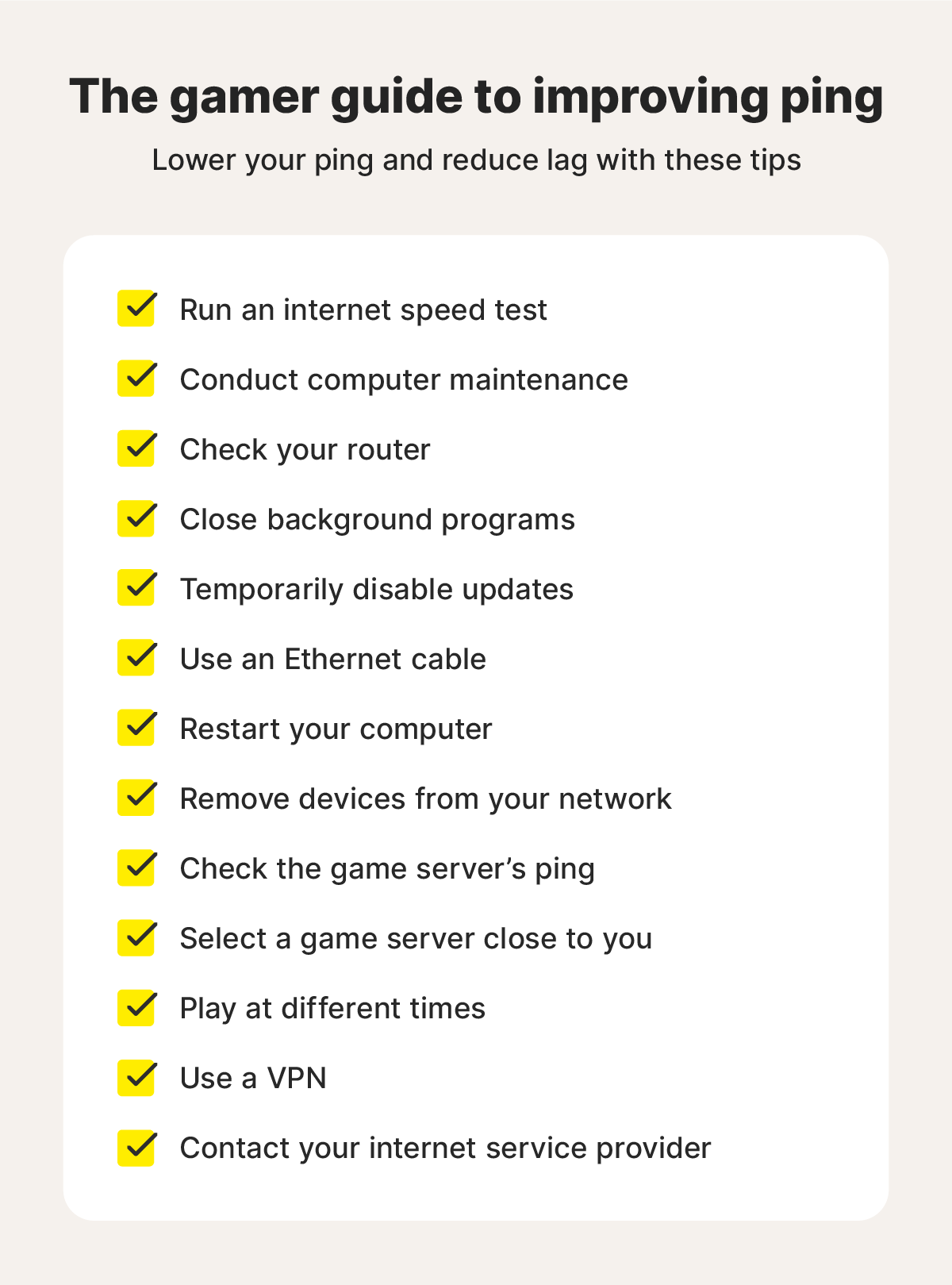
To lower your ping, start by using a wired Ethernet connection instead of Wi-Fi. Close all unnecessary background applications and limit other devices on your network that might be consuming bandwidth. Restart your router and modem regularly. Ensure your router firmware is up-to-date. If possible, choose game servers geographically closer to you. For persistent issues, contacting your ISP might be necessary to check for line problems or routing optimizations.
Is there a good ping range for online gaming?
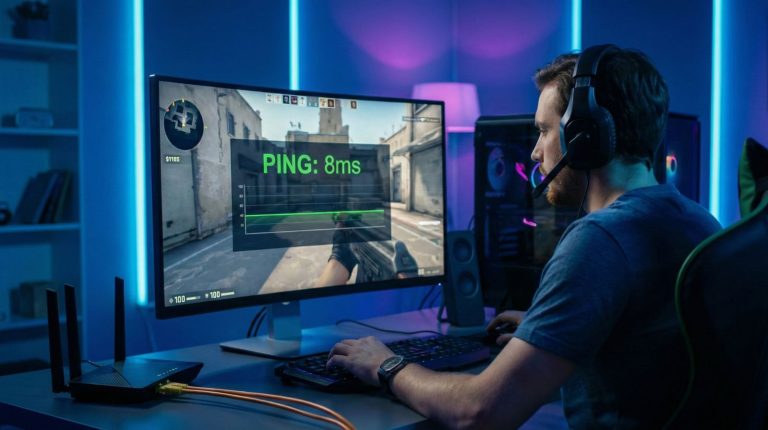
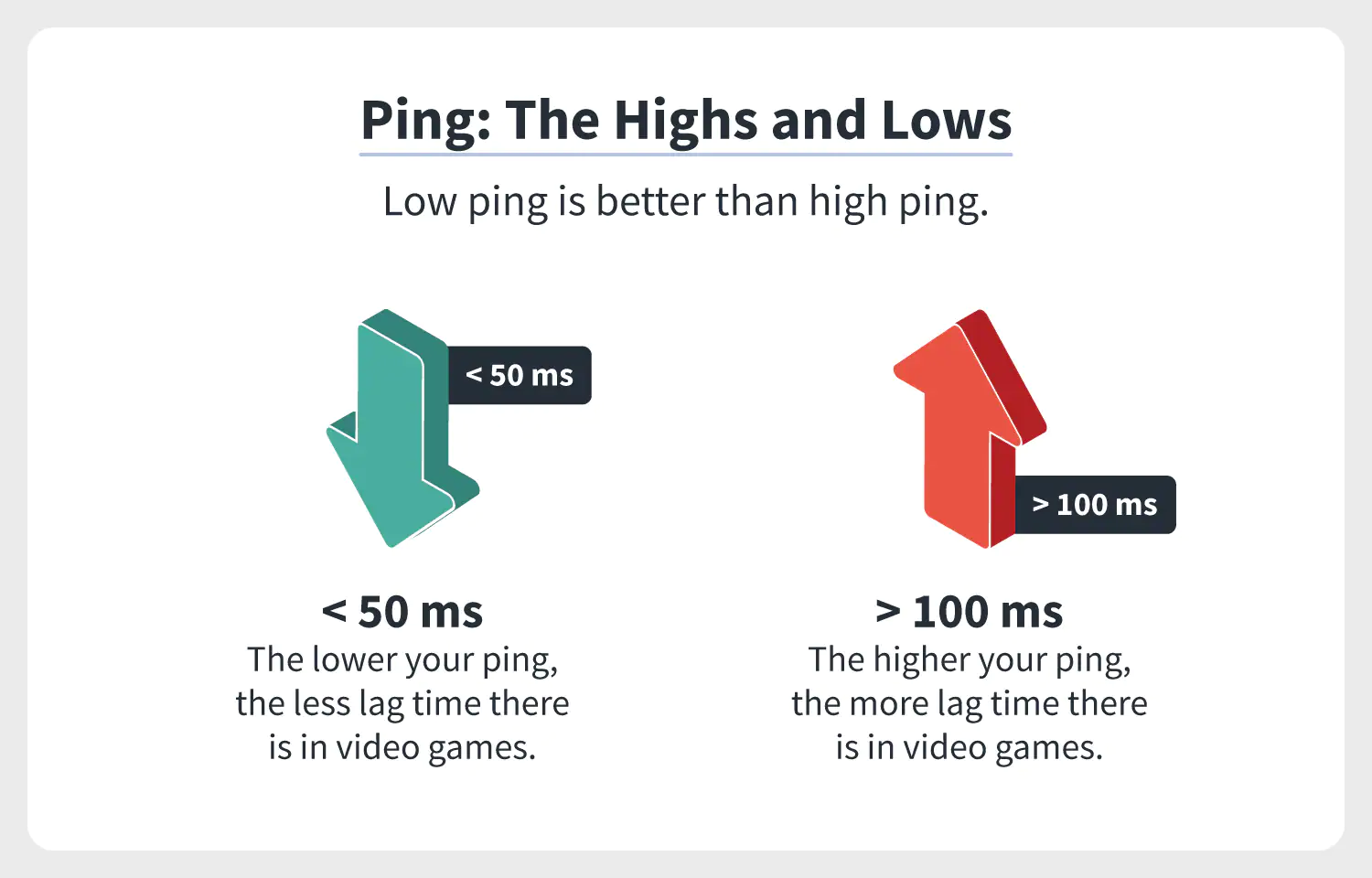
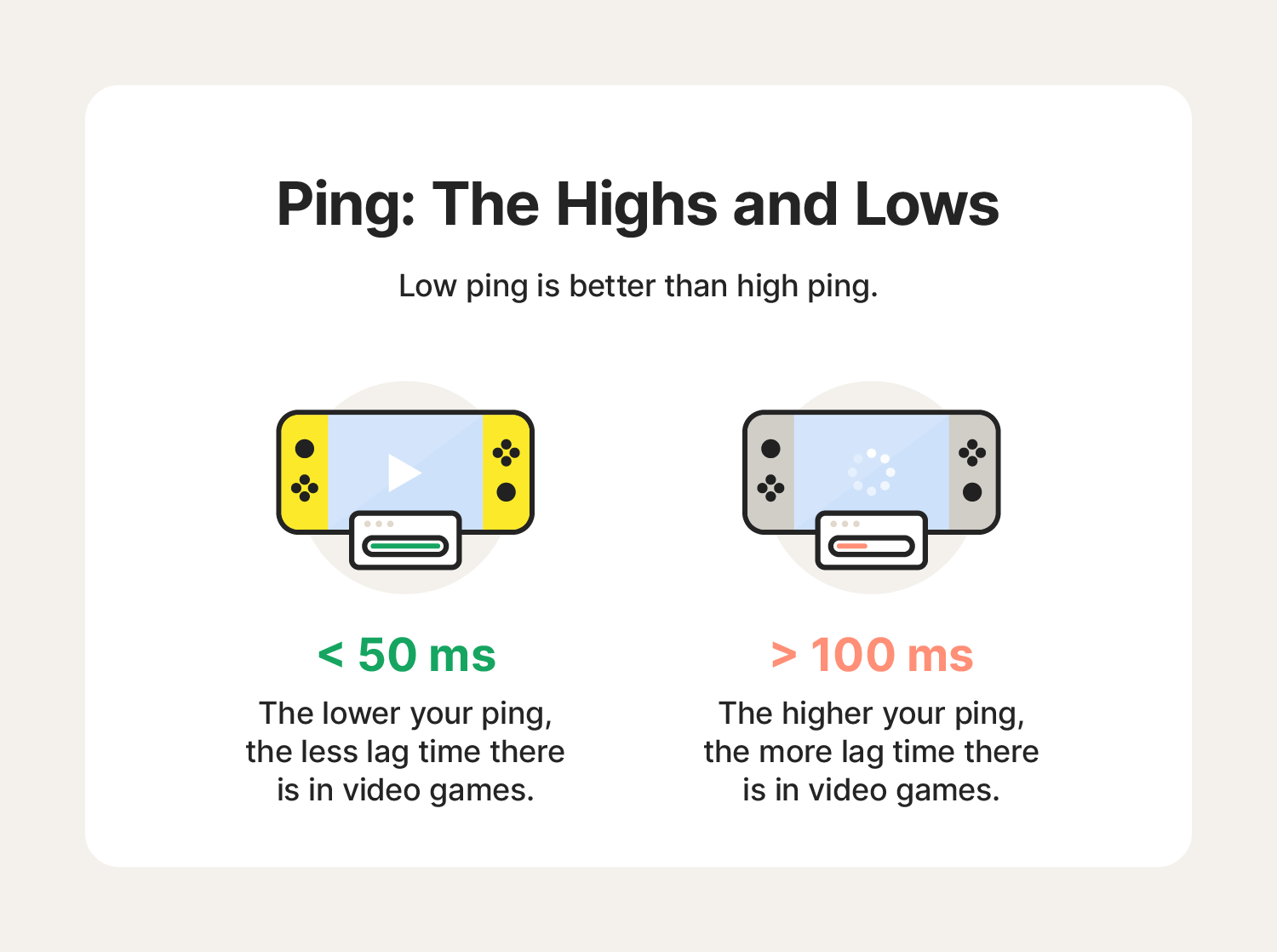
Yes, a good ping range for online gaming is generally considered to be anything below 60 milliseconds (ms). For casual and enjoyable gameplay, 20-50ms is excellent. Competitive gamers often strive for under 20ms to gain a crucial edge. Pings consistently above 100ms will typically result in noticeable and frustrating lag, severely impacting the gaming experience.
What is the ideal ping for a smooth online gaming experience?
A good ping for most online gaming sits between 20-50 milliseconds (ms). For competitive esports titles, players aim for under 20ms, as every millisecond can impact reaction time and precision. While lower is always better, anything consistently below 60ms typically offers a comfortable and responsive gameplay experience for the average gamer.
Does my internet speed directly translate to better ping?
Not directly. While a faster internet speed (bandwidth) allows you to download and upload more data quickly, ping (latency) measures the time it takes for a small packet of data to travel to a server and back. You can have high bandwidth but still experience high ping due to network congestion, server distance, or router issues. Ping is more about the quality and path of your connection, not just its raw speed.
How can I test my gaming ping effectively?
The most effective way to test your gaming ping is often within the game itself, as many titles display your current ping to the server you are connected to. Alternatively, you can use online ping test websites by specifying a gaming server location, or run a command prompt 'ping' test to a specific IP address. Always test during peak gaming hours to get a realistic picture of your connection performance.
Why do I experience "ping spikes" and how can I fix them?
Ping spikes, sudden jumps in latency, are often caused by temporary network congestion, background applications updating, other devices on your network hogging bandwidth, or interference if you're on Wi-Fi. To fix them, try using a wired Ethernet connection, closing unnecessary apps, limiting other network usage during gaming, updating your router firmware, or even contacting your ISP if the issue persists.
Is using a gaming-specific router worth it for reducing ping?
A gaming-specific router can certainly help reduce ping and improve overall network performance for gamers. These routers often feature Quality of Service (QoS) settings that prioritize gaming traffic, stronger processors to handle multiple connections, and advanced antenna arrays for better Wi-Fi range and stability. While not a magic bullet for all ping issues, they can optimize your local network to minimize latency.
Can VPNs help lower ping for online gaming?
In most cases, using a VPN will *increase* your ping because your data has to travel through an extra server. However, in specific situations, a VPN might *reduce* ping if your ISP is throttling your connection or if the VPN provides a more direct, less congested route to the game server than your ISP's default routing. It's best to test with and without a VPN for your specific game and server.
What's the difference between ping and latency in gaming?
Ping and latency are often used interchangeably in gaming, and for practical purposes, they refer to the same thing: the time delay in milliseconds for data to travel from your computer to a server and back. Latency is the general term for any delay in a network, while ping is a specific utility or measurement used to test that latency. So, ping is a measurement of latency.
You finally carved out some time to jump into your favorite online game after a long day. Maybe it's a quick match in a competitive shooter, a relaxing co-op session with friends, or a few quests in a massive multiplayer world. You get in, ready to unwind and maybe even sharpen your skills, but then it hits: the dreaded lag. Your character stutters, shots don't register, and suddenly, that relaxing escape feels more like a frustrating chore. If this sounds familiar, you're not alone. For the average US gamer, who often balances a full life with their passion for gaming, performance issues like high ping are a major buzzkill. We spend an average of over 10 hours a week in virtual worlds, and an impressive 87% of us play regularly, according to recent US gaming stats. We want our limited gaming time to be fun, responsive, and smooth, not a battle against delayed inputs and teleporting enemies. Understanding how ping affects online gaming is the first step to reclaiming your smooth, enjoyable experience. This guide is your friendly co-pilot, designed to cut through the jargon and give you practical, actionable advice to reduce lag and optimize your online play, helping you focus on the fun, the strategy, and the social connections that make gaming so rewarding.
We know you value performance, value for money, and staying current without succumbing to hype. So, let's dive into the core of the problem: ping. What is it, why does it matter so much, and most importantly, how can you tame it to ensure your gaming sessions are always on point? We'll tackle common pain points, from setup issues to budget-friendly upgrades, all aimed at enhancing your gaming life without adding more stress. Get ready to transform your understanding of ping and take control of your online gaming destiny.
What exactly is ping in online gaming?
Ping, often measured in milliseconds (ms), is essentially the round-trip time it takes for a small packet of data to travel from your gaming device to the game server and then back to your device. Think of it like shouting across a room and waiting for someone to shout back. The quicker they respond, the lower the 'ping' time. In online gaming, this number is a critical indicator of your connection's responsiveness. A low ping means your inputs (like pressing a button or moving your mouse) are sent to the server and processed almost instantly, and the server's response (like an enemy appearing or your shot landing) reaches you just as fast. This real-time communication is fundamental to a seamless online gaming experience.
How does high ping affect your online gaming experience?
High ping, often referred to as 'lag,' severely degrades your online gaming experience. When your ping is high, there's a noticeable delay between your actions and what you see on screen. This can manifest in several frustrating ways. For instance, in a fast-paced shooter, you might shoot an enemy, but due to high ping, they've already moved out of the way on the server, resulting in a 'ghost bullet.' In other games, your character might appear to teleport or stutter, making precise movements impossible. You could also experience 'rubber-banding,' where your character moves forward only to snap back to a previous position. This constant delay makes games feel unresponsive, unfair, and utterly unenjoyable, especially when trying to coordinate with friends or compete effectively.
Why is low ping so crucial for competitive online gaming?
For competitive online gaming, low ping isn't just a luxury; it's a necessity and often a significant advantage. In esports titles and high-stakes matches, every millisecond counts. A player with 20ms ping will register their actions and see their opponents' movements before a player with 100ms ping. This means they can react faster, aim more accurately, dodge attacks more effectively, and execute complex strategies with greater precision. Low ping provides a level playing field where skill and strategy, rather than connection quality, determine the outcome. Many serious gamers invest significant time and effort into optimizing their internet setup purely to gain those precious milliseconds, recognizing that in a competitive environment, even the slightest edge can lead to victory.
What causes high ping in online games?
High ping can stem from various factors, often a combination of several. The most common culprit is the **physical distance to the game server**. The further your data has to travel, the longer it takes. Another major factor is **network congestion**, both on your local network and on the wider internet. If multiple devices in your home are streaming 4K video, downloading large files, or running heavy applications while you game, your gaming data might get stuck in traffic. **Outdated router firmware** or a **subpar router** can also contribute, failing to efficiently manage traffic. **Wi-Fi interference** from other devices or physical obstructions can introduce delays. Lastly, issues with your **Internet Service Provider (ISP)**, such as poor routing or network problems, can also significantly impact your ping. Understanding these causes is key to troubleshooting.
How can I check my current ping in games and to servers?
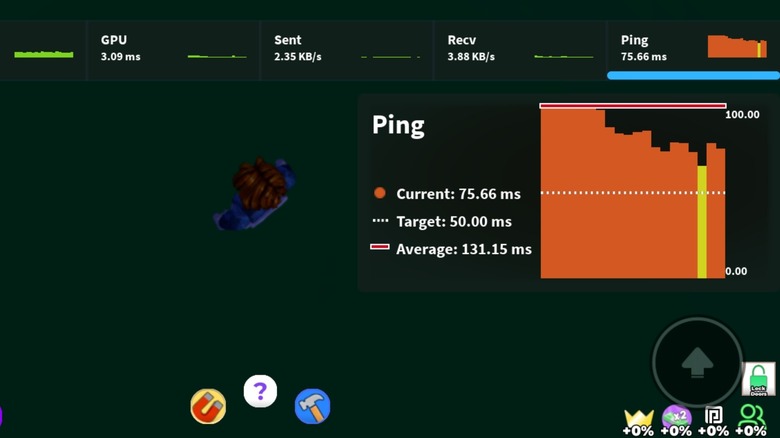
Checking your ping is usually straightforward. Many modern online games have an in-game display option, often found in the settings menu or by pressing a specific key (like Tab in some shooters) that shows your real-time ping to the server you're connected to. This is generally the most accurate measurement for your specific game session. Outside of games, you can use dedicated online ping test websites (like Speedtest.net or Pingtest.net) which allow you to select different server locations to test your latency to various regions. For more technical users, opening your computer's Command Prompt (Windows) or Terminal (Mac/Linux) and typing 'ping google.com' (or any website/game server IP) will show you continuous ping statistics. Always try to test ping during your typical gaming hours to get a realistic assessment of your connection's performance when it matters most.
What are the best practical steps to reduce ping and lag?
Reducing ping often involves a multi-pronged approach, focusing on optimizing your local network and ensuring a clean path to the game server. Here are the best practical steps:
Use a Wired Ethernet Connection: This is arguably the most impactful change. Wi-Fi is prone to interference and signal degradation, which can add significant latency. A direct Ethernet cable from your router to your PC or console provides a stable, faster connection with minimal delay.
Close Bandwidth-Hogging Applications: Ensure no other programs are running in the background, such as large downloads, streaming services, cloud backups, or software updates, as these can consume valuable bandwidth and increase ping.
Limit Other Network Usage: If family members are streaming 4K video or downloading big files, ask them to pause during your critical gaming sessions. Many routers also allow you to prioritize your gaming device through Quality of Service (QoS) settings.
Restart Your Router and Modem: A simple reboot can often clear up network glitches and improve performance. Do this regularly, perhaps once a week, to keep your network fresh.
Update Router Firmware: Check your router manufacturer's website for the latest firmware updates. These can often improve performance, stability, and security.
Choose Closer Game Servers: Whenever possible, select game servers that are geographically closer to your location. Less physical distance means less travel time for data, resulting in lower ping.
Consider a Gaming-Optimized Router: These routers often feature advanced QoS, better processors, and stronger Wi-Fi signals, specifically designed to handle gaming traffic more efficiently.
Contact Your ISP: If you've tried everything else and still face high ping, there might be an issue with your internet line or routing. Your ISP can run diagnostics and potentially offer solutions.
Does my internet service provider (ISP) affect my ping?
Absolutely, your Internet Service Provider (ISP) plays a significant role in your ping. While you can optimize your home network, your data ultimately travels through your ISP's infrastructure to reach the game server. Different ISPs have different network architectures, routing paths, and peering agreements, all of which can affect latency. Some ISPs might have more direct routes to major gaming server hubs, while others might route your traffic through more congested or circuitous paths, increasing your ping. Furthermore, the quality of the physical lines to your home (fiber, cable, DSL) also influences potential speeds and latency. If you consistently experience high ping despite optimizing your local setup, it might be worth investigating if a different ISP in your area offers better routing or more robust infrastructure for gaming.
Can Wi-Fi settings or hardware upgrades improve my ping?
Yes, both Wi-Fi settings and strategic hardware upgrades can certainly contribute to improving your ping, though the impact might vary. For Wi-Fi, ensure your router is placed centrally and away from obstructions. Using the 5GHz band (if available and supported by your devices) often provides faster speeds and lower latency than 2.4GHz, especially in crowded urban environments. Changing Wi-Fi channels can reduce interference. Regarding hardware, upgrading an old router to a newer, gaming-focused model with features like Wi-Fi 6 or 6E, MU-MIMO, and robust Quality of Service (QoS) can make a tangible difference in how your home network handles gaming traffic. While a wired connection remains king for raw ping, these Wi-Fi and hardware improvements can significantly enhance the stability and responsiveness of your wireless gaming experience, particularly for mobile and console players.
Are there specific games where ping matters more?
Yes, ping matters significantly more in certain game genres than others. Generally, fast-paced, real-time competitive games are most sensitive to ping. Think first-person shooters (FPS) like Call of Duty, Valorant, or Apex Legends, where split-second reactions, aiming precision, and dodging are critical. Fighting games also demand extremely low latency for precise combos and counter-attacks. Real-time strategy (RTS) games and MOBA (Multiplayer Online Battle Arena) titles like League of Legends or Dota 2 also benefit immensely from low ping, as delayed commands can throw off strategies and unit movements. On the other hand, slower-paced games like turn-based RPGs, grand strategy games, or even some casual social games are far less impacted by moderate ping, as timing and instant reactions are not as central to the gameplay loop. Even cozy games, popular for their relaxing nature, will feel better with lower ping, but it's not a deal-breaker.
How do modern gaming trends influence ping considerations?
Modern gaming trends significantly amplify the importance of ping. With the rise of cross-play across PC, consoles, and mobile, a stable, low-latency connection is vital to ensure fair and consistent experiences for all players, regardless of their platform. Social gaming, often leveraging voice chat and in-game communication (think Discord integration), adds further demands on bandwidth, making efficient network management crucial to avoid voice lag alongside game lag. The growing popularity of cloud gaming services means ping to the streaming server is paramount, as literally every input and visual update travels across the internet. Even the increasing complexity of game worlds and high-fidelity graphics mean more data is being exchanged, placing greater stress on network performance. As gaming becomes more interconnected, diverse, and demanding, optimizing for low ping isn't just about performance; it's about staying connected and enjoying the full scope of today's digital playgrounds.
You've navigated the often-confusing world of ping, understanding its impact, its causes, and most importantly, how to take control of your connection. From simple reboots to strategic hardware upgrades, you now have a toolkit to diagnose and tackle lag head-on. Remember, for the busy US gamer balancing life with play, every smooth, lag-free session is a victory, ensuring your precious gaming time is spent enjoying the fun, the challenge, and the social connections. Don't let high ping steal your joy. Take these steps, experiment with what works best for your setup, and get back to what you love doing.
What's your biggest gaming challenge when it comes to performance? Comment below!
FAQ Section
Is 50ms ping good for gaming?
Yes, a ping of 50ms is generally considered very good for online gaming. Most players will experience smooth, responsive gameplay at this latency, making it perfectly acceptable for both casual and moderately competitive titles. While lower is always better, 50ms provides a solid, enjoyable experience.
Does 5G improve gaming ping?
5G can potentially improve gaming ping compared to older mobile networks like 4G, due to its lower inherent latency and higher bandwidth capacity. However, 5G's actual performance depends heavily on network coverage, congestion, and your proximity to a 5G tower. It's often better than mobile Wi-Fi, but a wired fiber or cable connection still offers the most stable and lowest ping for stationary gaming.
Should I use a VPN for lower ping?
Generally, a VPN will *increase* your ping because your data has to travel through an additional server. However, in rare cases, if your ISP has poor routing to a specific game server or is throttling your connection, a VPN *might* provide a more direct or less congested path, potentially lowering ping. It's best to test it for your specific situation, but typically, avoid VPNs for lower latency.
What is ping spiking?
Ping spiking refers to sudden, temporary, and often dramatic increases in your ping during an online gaming session. These spikes cause momentary, severe lag, making gameplay erratic and frustrating. Common causes include background downloads, other devices hogging bandwidth on your network, Wi-Fi interference, or temporary congestion on your ISP's network.
How often should I test my ping?
It's a good practice to test your ping whenever you notice performance issues in games. For general monitoring, checking it once a week or monthly can help you understand your connection's typical performance. If you've made changes to your network setup (e.g., new router, ISP), test it immediately to see the impact.
Ping directly impacts game responsiveness. High ping causes lag, stutters, and delayed actions. Low ping ensures smooth, real-time gameplay and competitive advantage. Common causes include distance to server, network congestion, and Wi-Fi issues. Solutions involve wired connections, optimizing network settings, and router upgrades. Understanding ping is crucial for enjoyable and competitive online gaming.
35)



What Is A Good Internet Speed For Gaming 2026 Cable TV Info Filters Quality(75). How To Lower Ping Proven Tips To Reduce Lag In Online Games Ping For Gaming.webp. How Do Ping And Latency Affect Online Gaming YouTube . Gaming Ping Impact On Competitive FPS Performance Gaming Ping Impact On Competitive FPS Performance . How To Reduce Ping In Online Games Complete Guide 2026 Martmid How To Reduce Ping


What Does Ping Mean In Gaming Lag Latency And Online Performance Image. 7 Fixes That Cut Your Game Ping By Up To 50ms Tested Methods 2026 How To Get Lower Ping.webp. What Is An Optimal Ping For Each Type Of Game Ping Test 1.webp. What Does Ping Mean In Gaming And Why Does It Matter What Causes High Ping In Gaming 1741001339 . Miglior Ping Per Gaming Guida Per Eliminare Il Lag E Vincere Ping Gaming Online 768x430
How To Solve Ping Gaming. What Is Video Game Ping At Virginia Lyman Blog What Ping Means To Gamers . What Is Good Internet Speed For Gaming AstrillVPN Blog Gaming Speed 1 1536x864 . How To Fix High Ping In Gaming Pc What Is A Good Ping Speed 01 . Best Internet Providers For Low Ping Gaming In 2025 Image2 1

Ping In Gaming Good Vs Bad Latency 34bfbee8 177c 4aad 92b8 300x200 . How To Lower Ping In Online Games 9 Proven Methods 2026 How Ping Factors Into Online Gaming . Best Competitive Online Games 2026 Ranked By Netcode Performance Gemini Generated Image 1024x572 . How To Reduce Ping And Enjoy Seamless Gaming AstrillVPN Blog Feature Image 2 1 . How To Get 0 PING In 2026 The ONLY Guide That Works
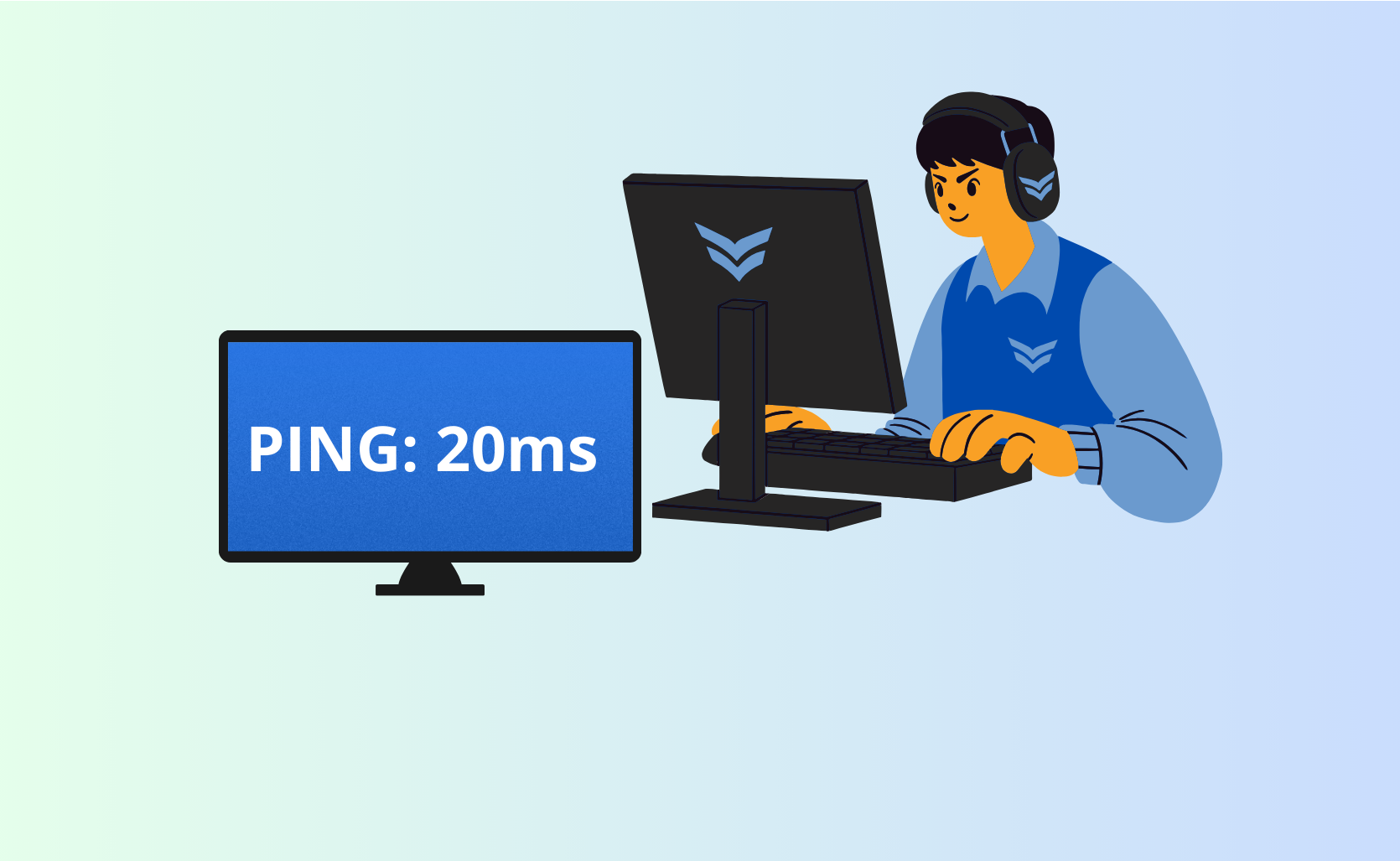

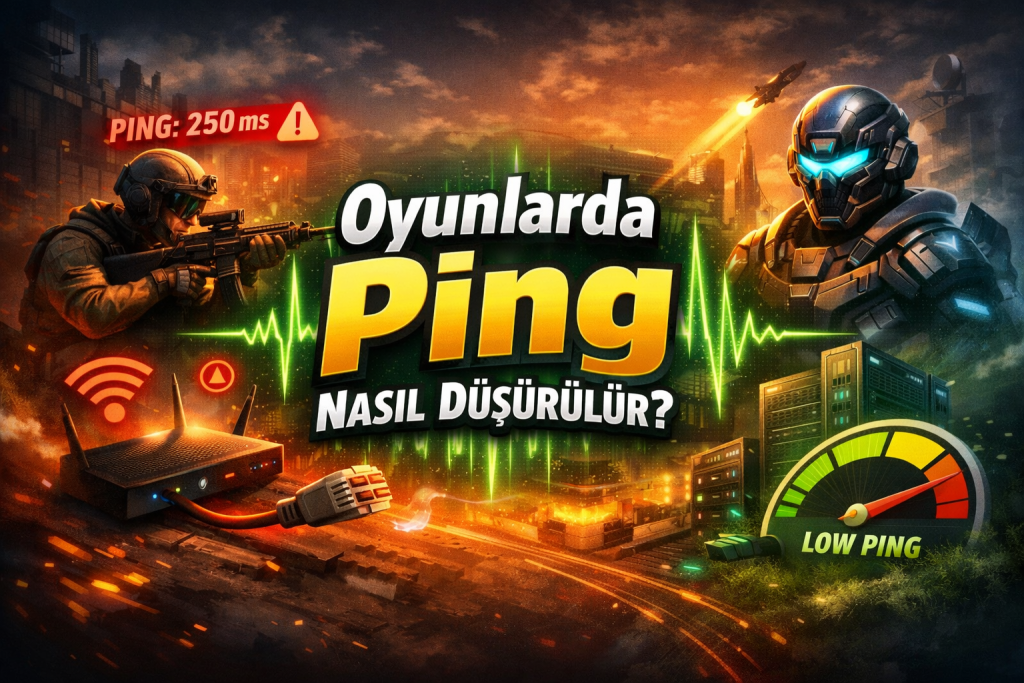
Using A VPN To Reduce Ping Improve Gaming Performance Ping 20ms . How To Reduce Ping For Smooth Online Gaming. How To Get Low Ping For Gaming Easy Fixes That Work Tech Imaging Unnamed 2025 05 . Tips To Reduce Ping In Online Games How To Reduce Ping In Online Games Blog Image . Oyunlarda Ping Nas L D R L R 2026 Rehberi Pingdusurme 1024x683



How To Lower Ping And Reduce Lag In Video Games How To Lower Ping 05 . What Is A Good Internet Speed For Gaming 2026 Cable TV Info What Is A Good Internet Speed For Gaming 768x512 . How To Lower Ping And Reduce Lag For Gaming 2026 11 Useful Fixes How To Lower Ping . What Is Ping In Gaming And Why It Affects Your Gameplay Frag Ridge 4007745 1536x1152 . Top 10 Most Anticipated Games Of 2026 What To Watch Out For TVN GAMES IN 2026



Was Ist Ein Guter Ping In Fortnite Warum Ein Niedriger Ping Wichtiger Gu 2a004057 . Does VPN Help With Ping When You Re Gaming Online Does A VPN Affect Your Ping When Youre Gaming Online 1200x630 Px . Gaming Impact Study At Kayla Omay Blog Zg . How To Lower Ping In Games 12 Easy Fixes Why Is My Ping So High Infographic 570x223 . What Is Ping And How Does It Affect Online Gaming EnosTech Com What Is Ping In Gaming