Gallery
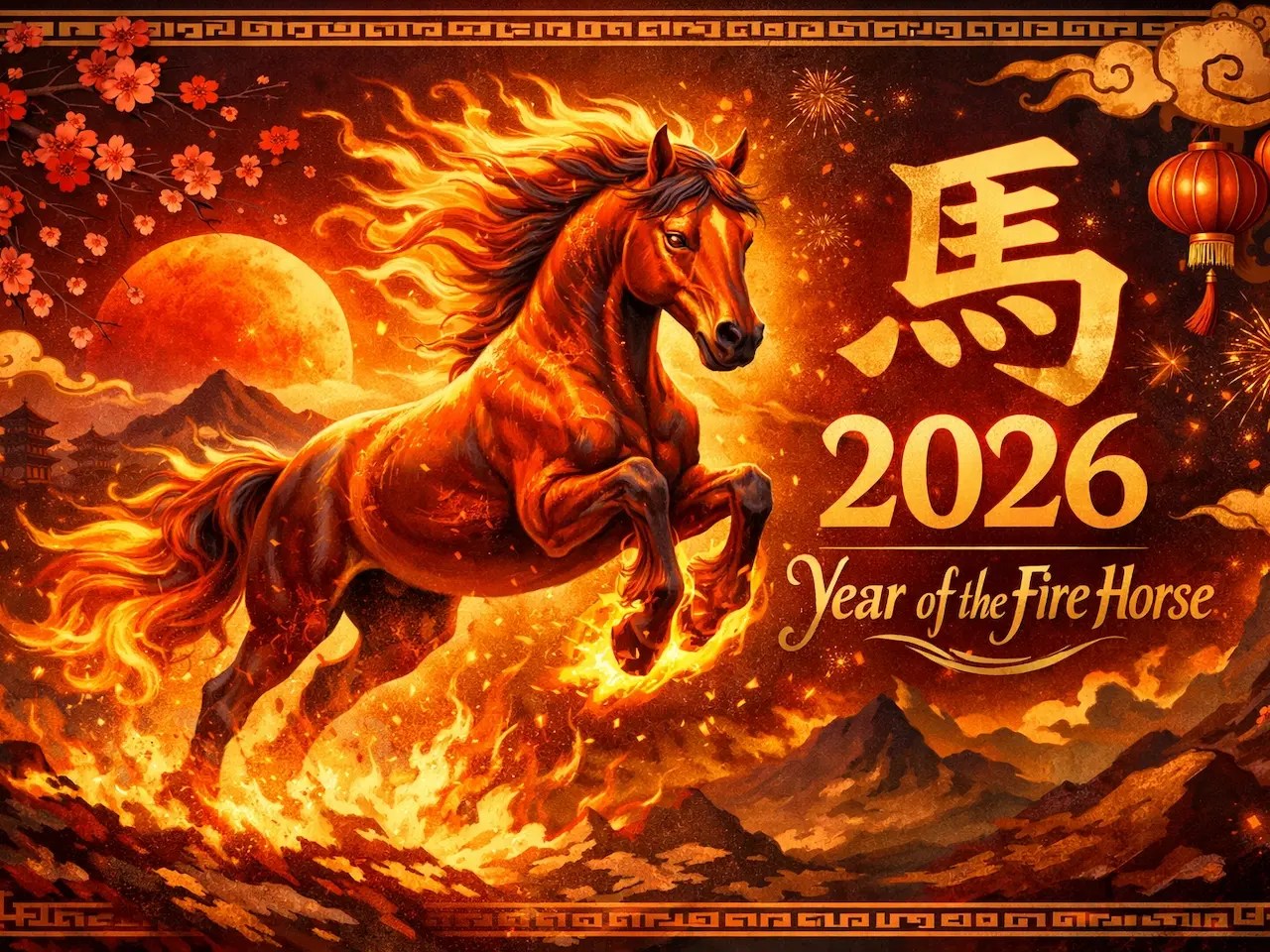
2026 Is Year Of The Fire Horse In Chinese Zodiac Equinest 2026 Strength Passion Freedom 72515548 Vector 2026 Design 2026 Astro Sign For 2026 EB358774 4CCA 4db9 A4A8 E42DA1E6878A EB358774 4CCA 4db9 A4A8 E42DA1E6878A 2026 What It Means Each 1764757257738 Experience Future 2026 Free Update Impact 3943053 New 2026 Massage 2026 2026 Every And Why TTVESYW1HQOJIBHJ74IKWQ2X 920 2026 Stock Photos Royalty Symbolic Representation Change Powerful Emerges Entwined Flames Set Against Dramatic Landscape 369751576 2026 Meaning Energy To Expect Image 870X 69571356ACBEF 870X 69571356ACBEF Horoscope 2026 Signs 2026 590 2026 Golden Leaping Over Shiny Numbers Majestic Eastern Symbol Lunar Celebration Festive Red 408196143 2026 By Desir E Kradolfer FSSA Feng Chatgpt Jan 2026 PM 2026.
932 Year Fire Horse 2026 Tatoos Stock Photos Free Royalty Majestic Golden Ornate Chinese New Surrounded Vibrant Flames Festive Lanterns Bright Fireworks 409549706 What To Expect In The Of 2026 2026 Complete Four Pillars Analysis Everyone Image Celebrating With A Spectacular Display Runs Fiery Landscape Symbolizing As 369747927 606 2026 Rearing Up Flowing Mane Red Background Celebrates Eastern Lunar 400916473 Symbolizes Beginnings During Celebrations Represents Energetic 369748171 Australia 2026 Showcase Industry Leadership Reform And Real FIRE2026 Horizontal Logo Scaled FIRE2026 2026 Meaning Energy 870X 6957130db9e64 870X 6957130db9e64 2026 Hazmat Resource Inc 2026 V1 2026 V1 2026 Sm Feng Shui Today 2026 Means How Work Its Garena Best Survival Battle Royale On Mobile FC540A451DC59B880FD0F6E7C30382BB.
Born To Be Wild 2026 The Year Of Fire Horse Cloud Foundation Welcome 2026 STRIKE3 WELCOME2026 Theyearofthefirehorse STRIKE3 2026 Clipart Etsy Il 7491289828 SN66 7491289828 SN66 Christmas New 2026 Hi Res Stock Photography And Images Alamy 2026 Numbers Flame Background Alert Concept 2KADNND 2026 2KADNND EVENTO ON 2026 Winter Games Opening Show Alto Adige E461B010 AB16 42b5 8d40 04eabf6c1d51 E461B010 AB16 42b5 8d40 04eabf6c1d51 Fiery In Motion For 2026 Symbolic Dynamic Visual Representation 384930470 2026 Red Logo Royalty Free Vector Vectorstock 2026 60757515 2026 60757515 Illustrations 448 Chinese Lunar Calendar Happy Generated Image 410590399 124 2026 Photos Celebrating Golden Symbols Prosperity Vibrant Celebrations Mark Featuring Graphics 369751601 What Zodiac Is 2026 Astrologytoyou Com 2026 2026 Dumpster 2026 7431034702 A0IB 7431034702 A0IB 2026 Top Practical Feng Shui Tips 2026.
Key highlights
Frequently Asked Questions
How do celebrities protect their homes from wildfires?
Celebrities living in high-risk areas often invest in defensible space landscaping, fire-resistant building materials, and advanced home sprinkler systems. Many also have comprehensive emergency evacuation plans and security teams ready to assist. Public figures collaborate with local fire departments to stay informed on prevention efforts for their properties.
What are the biggest challenges of using real fire on film sets?
Using real fire on film sets presents challenges like precise control over flames, managing smoke effects, and ensuring the safety of all personnel. Pyrotechnicians must account for wind, heat, and fuel types, while also coordinating closely with visual effects artists to seamlessly blend practical and digital elements for the desired cinematic impact.
Can computer-generated fire look as convincing as real fire in movies?
Modern computer-generated imagery has advanced significantly, making digital fire incredibly convincing, often indistinguishable from real flames. VFX artists meticulously study real fire behavior to create realistic simulations, accounting for light, smoke, and interaction with surroundings. This allows for grander, safer, and more controllable fire sequences than practical effects alone.
Which iconic movie scenes prominently feature fire?
Many iconic movie scenes feature fire, such as the burning of Atlanta in Gone with the Wind, the fiery explosions in Die Hard, and the destruction of cities in various disaster films like Independence Day. Fire's dramatic presence amplifies tension, highlights climactic moments, and leaves lasting visual impressions on audiences worldwide, solidifying its memorable impact.
How do film crews train for fire safety during production?
Film crews undergo rigorous fire safety training, including emergency procedure drills and the proper use of fire extinguishers. Specific personnel, like fire safety officers and pyrotechnicians, receive specialized certifications. All cast and crew are briefed on evacuation routes, safety zones, and protocols before any scenes involving fire effects are filmed to ensure a safe environment.
Has fire ever caused major production delays or incidents in Hollywood?
Yes, fire has unfortunately caused major production delays and incidents in Hollywood. Studio backlots have been damaged by fires, sometimes even unrelated to active filming, leading to costly rebuilds and schedule disruptions. These incidents underscore the inherent risks involved, despite stringent safety measures, prompting the industry to continuously review and enhance its fire prevention protocols.
Why do audiences find cinematic fire so captivating?
Audiences find cinematic fire captivating due to its primal, mesmerizing quality. It evokes a powerful range of emotions, from fear and awe to destruction and warmth. Fire’s dynamic visual nature, combined with its symbolic power in storytelling as a catalyst for change or a representation of intense emotion, makes it a consistently compelling and unforgettable element on screen.
Article
The Fiery Allure of Hollywood: Why Fire Always Steals the ShowFire, with its primal dance of light and shadow, holds an undeniable, almost magnetic appeal that Hollywood has masterfully exploited for decades. From scorching desert landscapes in action blockbusters to the cozy flicker of a fireplace in a romantic drama, fire is more than just a visual element; it is a character in itself, capable of evoking intense emotion and driving powerful narratives. Audiences are inherently drawn to its raw energy, a spectacle that can signify both cataclysmic destruction and the comforting glow of warmth and survival. This fascination explains why the entertainment industry consistently turns to controlled infernos to amplify storytelling.
Think about the most memorable scenes in cinematic history; many feature fire prominently, solidifying its place as a quintessential Hollywood ingredient. Whether it is the dramatic explosion of a car chase sequence, the menacing advance of a monster through a burning city, or a metaphorical burning passion between two lovers, fire commands attention and imprints itself on our collective memory. Its versatility allows directors to use it for visual grandeur, psychological impact, or as a symbol of transformative change, making it a truly indispensable tool in the filmmaking arsenal. The public’s insatiable appetite for spectacle ensures fire will always have a starring role.
However, the spectacle of fire extends beyond the fabricated worlds of film and television, often bleeding into the real lives of the rich and famous. When wildfires threaten luxury homes in Malibu or a celebrity's mansion experiences an accidental blaze, these incidents become front-page news, fueling public curiosity and a collective sense of vulnerability. This blend of real-world drama and the controlled chaos of movie magic creates a unique space where fire is not just a special effect but a tangible force that impacts everyone, including the biggest names in entertainment, cementing its status as a constant headline generator.
The Explosive Artistry of Cinematic Fire Effects
Crafting breathtaking fire sequences for the big screen demands an intricate blend of artistry and precision, often orchestrated by highly specialized pyrotechnicians and visual effects teams. These experts work tirelessly to ensure that every flicker and every inferno looks authentic, yet remains entirely within safe parameters. The goal is to create a visual spectacle that immerses the audience, convincing them of the danger and drama without ever compromising the safety of the cast, crew, or set. This meticulous planning involves everything from choosing the right fuels to designing precise explosion choreography.
Behind every awe-inspiring cinematic blaze is a detailed blueprint, outlining how fire will be controlled and what safety measures are paramount. Filmmakers often combine practical effects, using real flames in controlled environments, with cutting-edge computer-generated imagery to achieve stunning results. This hybrid approach allows for unparalleled realism, where actors might be near actual small fires, while massive, dangerous infernos are meticulously added in post-production. The seamless integration of these techniques creates the illusion of uncontrolled chaos, which in reality is a triumph of careful engineering and artistic vision.
Moreover, the evolution of fire effects technology continues to push the boundaries of what is possible, enabling filmmakers to depict increasingly complex and destructive scenarios with greater realism than ever before. From subtle smoke effects that signify underlying tension to widespread conflagrations that engulf entire cities, the tools available to today’s directors are incredibly sophisticated. This constant innovation ensures that fire will remain a dynamic and exciting element in storytelling, captivating new generations of viewers with its raw power and beauty. The artistry of these fire effects is a testament to human ingenuity and creativity.
Celebrities and the Unpredictable Flame: Real-Life Encounters
While audiences are accustomed to seeing fire expertly handled on screen, its unpredictable nature in real life can pose significant challenges, even for the most insulated Hollywood stars. News reports of wildfires sweeping through upscale neighborhoods frequently highlight the plight of celebrities forced to evacuate their lavish estates, confronting the same anxieties and losses as anyone else. These stark realities often lead to poignant stories of resilience and community, reminding everyone that fire respects no fame or fortune, striking indiscriminately and often with devastating consequences that leave a lasting impact.
Accidental house fires, although less dramatic than widespread wildfires, also make headlines when they affect prominent figures, offering a glimpse into the personal vulnerabilities of public personalities. Such incidents can range from minor scares to complete property destruction, prompting an outpouring of support from fans and fellow industry members. These events not only underscore the importance of fire safety for everyone but also serve as a reminder that underneath the glitz and glamour, celebrities face many of the same domestic hazards as the average person. Their experiences humanize them and often bring awareness to fire prevention.
The media, with its celebrity journalism lens, often amplifies these real-life fire events, transforming personal tragedies into public narratives that resonate deeply with audiences. The images of famous homes ravaged by flames or the emotional statements from stars recounting their experiences become part of the collective consciousness, fueling discussions about disaster preparedness and community aid. This intersection of personal misfortune and public interest solidifies fire's role not just as a cinematic spectacle, but as a potent force that shapes real-world stories and influences public discourse, captivating attention far beyond the silver screen.
Fire as a Narrative Force: Igniting Storylines
Beyond its visual appeal, fire plays a profound role in storytelling, acting as a powerful narrative device that can symbolize destruction, purification, or transformation. When a character's home burns down, it is not just the loss of property but often the catalyst for a new beginning, forcing them to rebuild their life from the ashes. This symbolic weight makes fire an invaluable tool for screenwriters looking to inject deep meaning and emotional resonance into their plots, pushing characters through transformative arcs and testing their limits against overwhelming forces that reshape their world.
In many narratives, fire serves as a stark metaphor for passion, anger, or even forbidden desire. A character described as having a fiery personality immediately conveys an image of intensity and volatility. Similarly, a burning romance signifies an unstoppable, all-consuming connection. These literary uses tap into our innate understanding of fire's dual nature: its capacity to both consume and illuminate. This rich symbolic palette allows storytellers to layer their narratives with subtle meanings, enhancing character development and deepening thematic exploration for an engaged audience.
Ultimately, fire's enduring presence in Hollywood films and television reflects its universal impact on the human psyche. It is a fundamental force of nature that commands respect and awe, capable of eliciting a wide range of emotions, from fear and despair to hope and triumph. By harnessing its power, storytellers can create indelible moments that resonate with audiences long after the credits roll, cementing fire's status as one of the most compelling and versatile narrative elements in the history of visual media. Its ability to create both breathtaking spectacle and profound meaning ensures its legacy.