Gallery
How To Know If Your Iphone Is Unlocked 2026 Guide H59FCF792D7074C8D8C1EAFC87497F936Y Unlocking Phone In 2026 Things You Need 2026 Activate SIM Card On 2026 Complete Unlock An Forgot The Passcode Safe Official Methods Scaled Check 2026 Samsung UB Jan Mastering Beyond Basics Of IMEI And Carrier DALL E 2024 Create A Visually Engaging Infographic That Outlines Process Start With Section Titled Understanding DALLE 2024 2026 Switchninja 2026 Much Does It Cost 2026 Free Software What Mean Daily Insight 720 2026 Icloud Today Ultimate 2026 Permanent Any 2026 Step By Maxresdefault From AT T 2026 Unloky ATT.
Iphone Is Disabled How To Unlock It Complete Guide 2026 Blog C9D43B4EE27D4DA8 What Happens After You Your Phone From A Carrier Unloky ESIM QR Code Can Get Scaled Air Only For Any In 2026 2026 Much With Sim Activation Screen Lock Easily 2026 Step By Maxresdefault 2026 Remotely Quick Methods Locked Owner Tell If Unlocked Does That Mean Youtube Totally Free 2026 Legally Approved But Still Shows Best Solutions Unlocking Tested 2026 Ilounge Image On 2026 2026.
Why Iphone SIM Unlocking Is Still Relevant In 2026 IMEI24 Com How To Get Into A Locked Full Guide Out Of Unlock Card 2026 Step By Tutorial Without Passcode Or Face Id What Does Lost Mode Mean Complete 2026 Click Ios Screen Button An If You Forgot The Safe Official Remove Activation Lock From Previous Owner Do I Carrier Any Network 2026 2024 FAST 2026 Ultimate Maxresdefault Saiba Como Verificar Se O Seu Est Bloqueado Pela Operadora Ways Your 2026 Youtube Can Someone My Update For 2026 Using Icloud Process.
Key highlights
Frequently Asked Questions
What does a 'carrier locked' iPhone mean?
A 'carrier locked' iPhone is tied to a specific cellular provider like AT&T or Verizon. It will only work with a SIM card from that particular network. This is common when purchasing a phone through an installment plan or with a contract from a US carrier, limiting your options until unlocked.
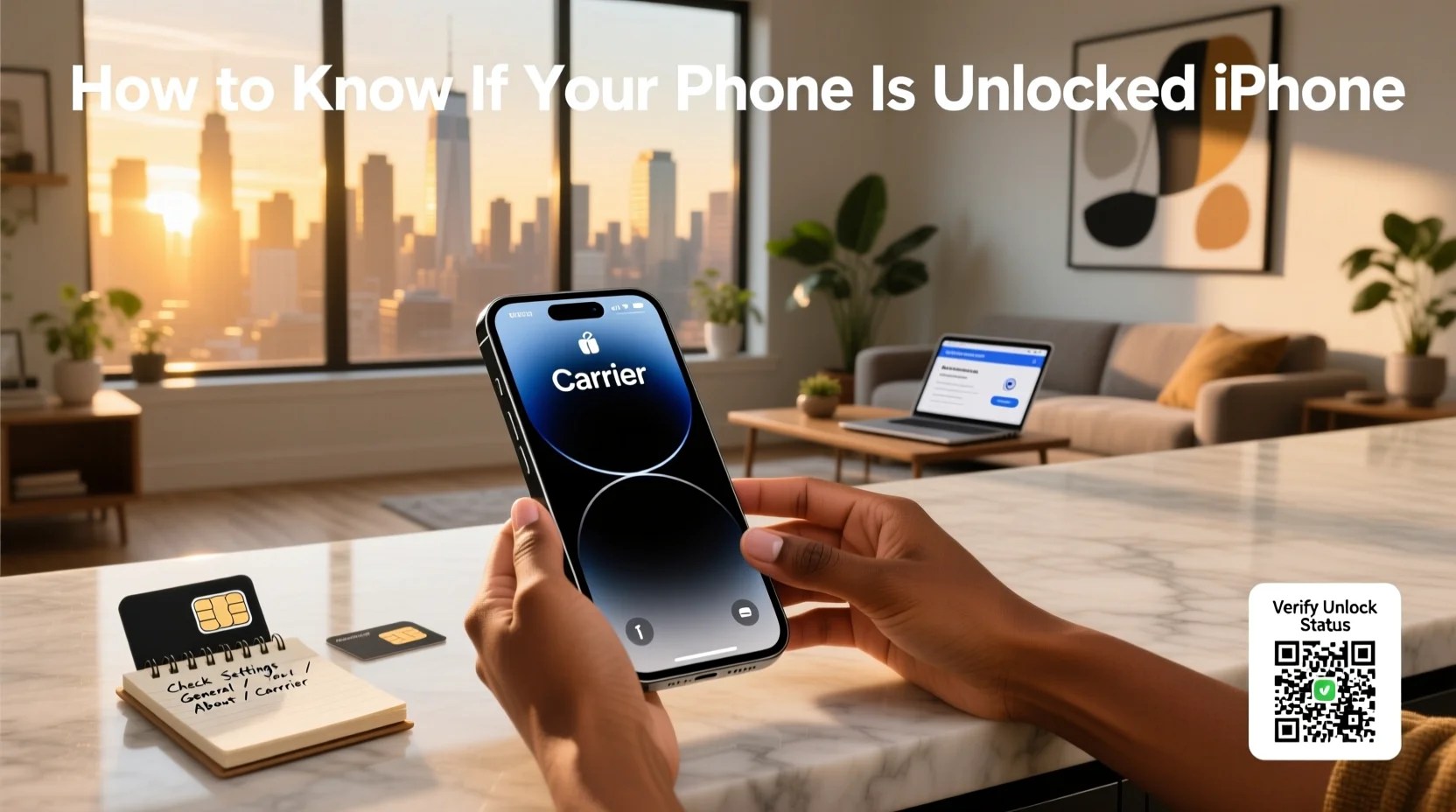
How do I check if my iPhone is unlocked?
The easiest way for a US user to check if their iPhone is unlocked is to insert a SIM card from a different carrier. If the phone connects to the new network and allows calls/texts, it's unlocked. You can also contact your original carrier directly or check iPhone settings under 'Cellular Data Network' options.
Can I unlock an iPhone bought from a prepaid carrier like Boost Mobile or MetroPCS?
Yes, iPhones from prepaid carriers like Boost Mobile or MetroPCS can typically be unlocked, but they often have stricter eligibility rules. You'll likely need to use the service for a minimum period (e.g., 12 months) and have an account in good standing. Check their specific unlocking policies on their websites.
Are there any risks associated with unlocking an iPhone?
Unlocking an iPhone through official carrier channels carries no risks; it's a standard, legitimate procedure. However, using unauthorized third-party unlocking services can be risky. These services might use methods that void your warranty, are unreliable, or could even compromise your device's security. Stick to official methods.
Will an unlocked iPhone work on any network worldwide?
An officially unlocked iPhone will work on any compatible GSM network worldwide. While it offers global flexibility, ensure the foreign carrier's network bands are compatible with your iPhone model. Most modern iPhones support a wide range of global bands, making them highly versatile for international travel.
How does unlocking affect my iPhone's features or iOS updates?
Unlocking your iPhone, when done officially through your carrier, has absolutely no impact on its features, performance, or ability to receive iOS updates. The unlock only changes the network restriction status, not the hardware or software functionality. Your iPhone will continue to operate exactly as before, just with more carrier freedom.
Article
What Exactly Does Unlocking an iPhone Entail?
Unlocking an iPhone means freeing it from a specific wireless carrier's network, allowing you to use it with any compatible service provider, anywhere in the world. Think of it like taking a car that's only allowed on one brand of gas station and giving it the freedom to fill up at any station it chooses. For many US users, this flexibility is a game-changer.
Typically, when you buy an iPhone through a carrier like Verizon, AT&T, or T-Mobile, it comes "locked" to their network. This means it will only work with a SIM card from that specific carrier. An unlocked iPhone, by contrast, has no such restrictions, offering owners much greater freedom and choice.
| Feature | Locked iPhone | Unlocked iPhone |
|---|---|---|
| Carrier Flexibility | Limited to original carrier | Works with any compatible carrier |
| International Use | High roaming fees, no local SIM | Use local SIM cards abroad |
| Resale Value | Lower, smaller buyer pool | Higher, wider buyer pool |
| Contract Dependence | Often tied to service contracts | No carrier contract obligation |
| Software Impact | None directly | None directly |
Why Would a US iPhone User Want an Unlocked Device?
The biggest perk for many US iPhone owners is the sheer freedom to switch carriers without buying a new phone. Imagine finding a better deal on a different network; with an unlocked iPhone, you just swap the SIM card and you're good to go.
For those who travel frequently, an unlocked iPhone is practically essential. Instead of racking up massive international roaming charges, you can pop in a local SIM card at your destination and enjoy affordable local rates for calls, texts, and data. This saves a significant chunk of change on international trips.
Another substantial advantage is the increased resale value. When it's time to upgrade, an unlocked iPhone appeals to a much broader market of potential buyers, both domestically and internationally. This can often translate into a higher asking price and a quicker sale.
Ultimately, owning an unlocked iPhone puts you, the consumer, in the driver's seat. You dictate your terms, your network, and your overall mobile experience, rather than being beholden to a single provider's rules and plans.
| Benefit | Explanation for US Users | Practical Impact |
|---|---|---|
| Carrier Freedom | Switch between AT&T, T-Mobile, Verizon, etc., easily. | Access best deals, improve coverage. |
| International Travel | Use local SIMs overseas, avoid costly roaming. | Significant savings on travel communication. |
| Higher Resale Value | Appeals to more buyers when selling. | Get more money for your old device. |
| No Contract Ties | Not locked into a specific carrier plan. | More control over your mobile spending. |
How Do You Get Your iPhone Unlocked in the United States?
The most legitimate and reliable way to unlock your iPhone is through your current carrier. Major US carriers like AT&T, Verizon, T-Mobile, and Sprint (now part of T-Mobile) have specific policies and eligibility requirements that you must meet. This is often called a "carrier unlock" or "official unlock" and permanently removes the network restriction.
Generally, you'll need to have fulfilled your contract obligations, paid off your device completely, and have an account in good standing. Once you meet their criteria, carriers are usually required by law to unlock your device upon request. This process ensures the unlock is permanent and won't be reversed by future software updates.
There are also third-party unlocking services available, but these come with considerable risks. While some might be legitimate, many are scams that can damage your device, void your warranty, or simply not work as advertised. Always prioritize an official carrier unlock for peace of mind.
| Unlocking Method | Pros | Cons | Typical Cost |
|---|---|---|---|
| Official Carrier Unlock | Permanent, safe, free (if eligible) | Strict eligibility rules, can take time | Free (upon eligibility) |
| Third-Party Services | Potentially faster, less strict rules | High risk of scams, voids warranty, unreliable | Varies widely ($20-$200+) |
Understanding Carrier Unlock Requirements and Eligibility
What are the Typical Requirements for a Carrier Unlock?
For most US carriers, the primary requirement is that your iPhone must be fully paid for. This means if you purchased it on an installment plan or through a contract, the balance needs to be zero before they'll consider unlocking it. Carriers want to ensure they've recouped the subsidy they provided when you bought the phone.
Beyond being paid off, your account must also be in good standing. This generally means no overdue bills and a clear history of payment. If you've been a loyal customer without issues, your request for an unlock is much more likely to sail through smoothly.
Each carrier has slightly different policies. For instance, AT&T requires the device to be active for at least 60 days on their network for postpaid accounts. Verizon has a 60-day lockout policy for new devices from purchase date, even if paid in full. It's always best to check your specific carrier's unlock policy on their website or by calling customer service.
Are There Any Costs or Timelines Involved?
An official carrier unlock, when you meet all the eligibility criteria, is typically free of charge. You shouldn't have to pay your carrier to unlock a device you already own outright. If a carrier tries to charge you, it might be a red flag, or you might be misunderstanding their specific terms for special circumstances.
The timeline for an unlock can vary. Some carriers process requests within a few business days, while others might take up to a week or two. It often depends on how busy their support channels are and the complexity of your account history. Once approved, the unlock is usually applied remotely to your device.
After your carrier confirms the unlock, you might need to perform a simple step, like inserting a new SIM card or connecting to iTunes/Finder. Your carrier will provide specific instructions, ensuring the unlock registers correctly on Apple's activation servers. This final step is crucial to confirm your iPhone is truly free.
Common Mistakes to Avoid When Unlocking Your iPhone
Beware of Shady Third-Party Services
It's tempting to use an unofficial third-party service, especially if your carrier denies your unlock request or if you don't meet their criteria. However, many of these services operate in a gray area, and some are outright fraudulent. They might promise a quick unlock for a fee but then disappear with your money, or worse, they could use methods that temporarily unlock the phone but void its warranty or introduce security vulnerabilities.
A common trick involves