Gallery
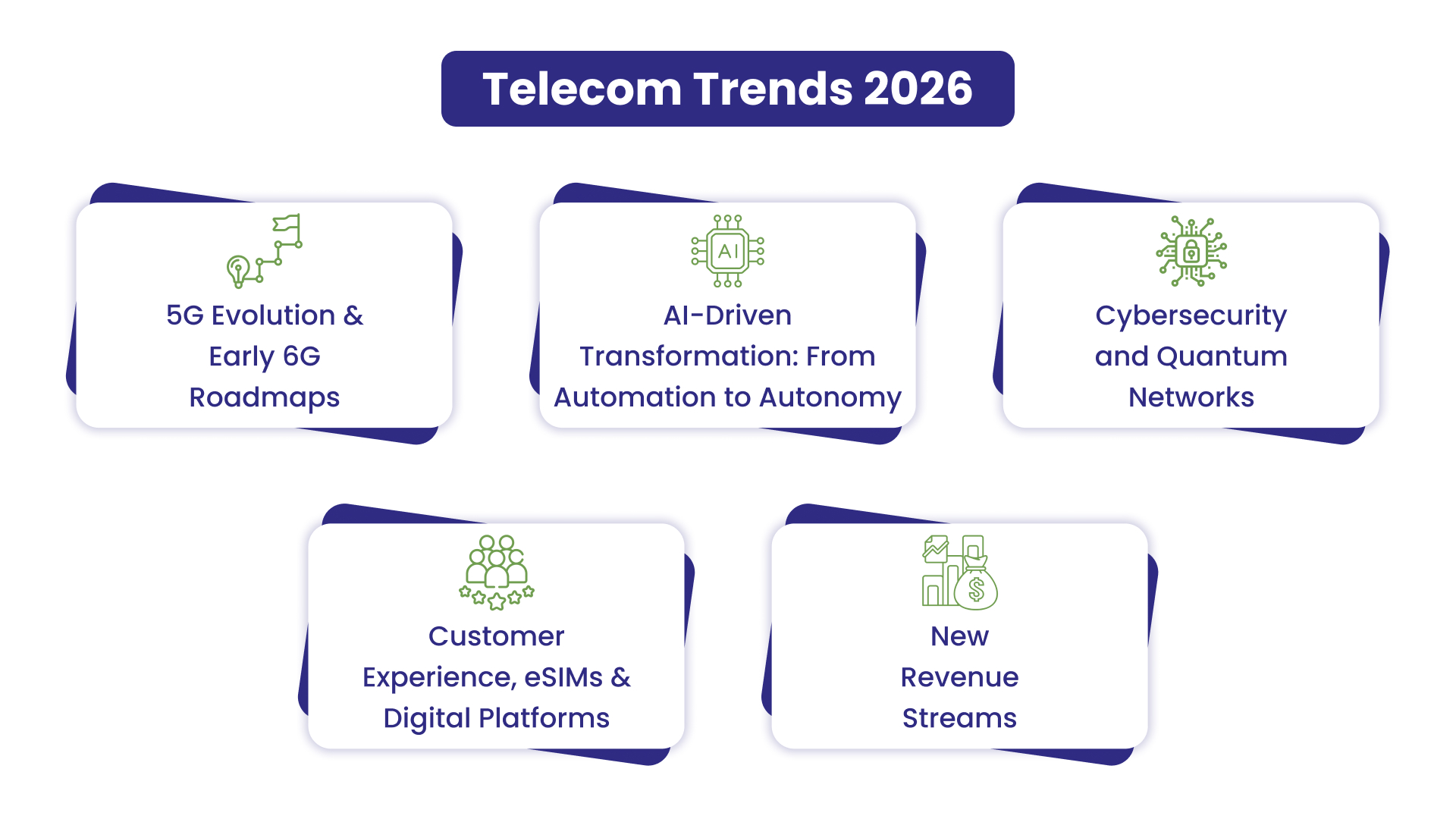
Telecom Trends 2026 From Intelligent Networks To New Revenue Frontiers Task 1991 Blog Post 1991 Industry 2026 And Beyond Real AI Voice Web Solutions That 2026 Techco Avius 2026 Skills Roadmap 5G O RAN Cloud Ka Future Apeksha 0e0b26 4483659e3a974b64a08c26bc8f200e6dmv2 0e0b26 4483659e3a974b64a08c26bc8f200e6dmv2 World Day 2026 Connecting An First 6G Bound 2026 Legacy System Modernization For In 2026 Informatix Systems 2026 Network 2026 Of Training 2026 Complete Guide 5G E83AA9 BB2A07B451F34E2381C091176848F68EMV2 E83AA9 BB2A07B451F34E2381C091176848F68EMV2 Mobile Congress 2026 Trust Sovereignty Reshape The 2026 Landscape Cover 2026 Will Be Faster With Agentic 2026 Polosoft Image 750X 69561f52f0094 750X 69561f52f0094 Allowance What Companies Offer 2026 Telemobalo Shape 2026 IPLOOK 2026 2026 Leaders Say About India S DAY2026 Indias Connectivity DAY2026.
The 2026 Telecom AI Readiness Map Thinklytics 2026 What Skills Will Define Careers In 2026 Beyond A Single 9d390bc1edae8e3b866b14fc4cdfb65ce116e568 Best Enterprise Solutions US 2026 High Speed Business Plans 2026 Automation Guide 2026 RPA Network Switch Pricing Changes 2026 Customers Need To Know 2026 Leaders Must Unlearn Compete 2026 Review 2026 Training 2026 Complete Hands On Course For 0e0b26 164687cb00f746aeaf6dcc5c89efd5b9mv2 0e0b26 164687cb00f746aeaf6dcc5c89efd5b9mv2 Regulatory Outlook 2026 Lifecycle Software Img 2026 Ericsson 2026 Operations Learnership East London 2026 Aquadevs 1778389894 2026 1778389894 Advanced 5G Technology IT Professionals 2026 0e0b26 FCEF22CEE2564D0BB16D4EF1547A110AMV2 0e0b26 FCEF22CEE2564D0BB16D4EF1547A110AMV2 Earth Day 2026 How Sustainability Is Driving ROI Through TELECOMCAULIFFFE Picstelecom Earthday 2026 Quiz Are You Ready Career Ultimate 2026 0e0b26 46e35d88c40e46f6857e8d04e8ef4531mv2 0e0b26 46e35d88c40e46f6857e8d04e8ef4531mv2.
Predictions That Will Shape The Technology And Telecom Landscape In For 2026 Capex Slowdown 2026 Why Global Operators Are Hitting Image.
Key highlights
Frequently Asked Questions
What is the primary definition of telecommunications?
Telecommunications refers to the exchange of information over significant distances by electronic means. It involves the design, development, and management of networks and services that facilitate voice, data, and video communication. Essentially, it's the technology that connects us globally, enabling everything from phone calls to internet access and broadcasting.
How does the telecom industry contribute to modern life?
The telecom industry is fundamental to modern life, powering global connectivity, digital economies, and social interactions. It enables instant communication, access to information, remote work, online education, and entertainment. Without robust telecom infrastructure, many daily conveniences and essential services we rely on would simply not exist.
What are the main types of services offered by telecom companies?
Telecom companies offer a range of services including broadband internet, mobile voice and data plans, landline phone services, and television subscriptions via cable or satellite. For businesses, specialized services like dedicated internet access, cloud solutions, and secure network infrastructures are also provided to ensure efficient operations and global reach.
What role does 5G technology play in the future of telecom?
5G technology is pivotal for the future of telecom, promising significantly faster speeds, lower latency, and greater network capacity compared to previous generations. It is crucial for enabling emerging technologies such as autonomous vehicles, advanced IoT ecosystems, augmented reality, and widespread smart city applications, revolutionizing how devices and people connect.
Who regulates the telecommunications sector in the United States?
In the United States, the telecommunications sector is primarily regulated by the Federal Communications Commission FCC. This independent government agency is responsible for overseeing interstate and international communications via radio, television, wire, satellite, and cable, ensuring fair competition, public safety, and consumer protection within the industry.
Why are fiber optics considered essential for high-speed internet?
Fiber optics are considered essential for high-speed internet because they transmit data using light signals through thin glass strands, allowing for incredibly fast speeds and vast bandwidth over long distances with minimal signal degradation. This technology forms the backbone of modern internet infrastructure, supporting the high-volume data traffic demanded by today's digital applications and services.
Article
The telecom industry is essentially the backbone of all modern communication, a vast network that allows people and systems to exchange information across great distances. It encompasses the design, deployment, and management of the infrastructure used for transmitting voice, data, and video signals. Think of it as the nervous system of our digitally connected world, making everything from a simple phone call to complex global data transfers possible every single day.
Understanding what is the telecom means recognizing its pervasive influence on daily life, business operations, and societal interaction. This sector provides the fundamental services that power our internet access, mobile phones, streaming entertainment, and even critical public safety systems. It constantly evolves, adapting to new technologies and user demands, ensuring that information flows freely and efficiently.
| Aspect | Description |
|---|---|
| Core Function | Enables long distance communication for voice data and video |
| Key Infrastructure | Fiber optic cables cell towers satellites data centers |
| Primary Services | Internet mobile phone landline TV cloud services |
| Major Players | Network operators equipment manufacturers service providers |
| Regulatory Body | Governed by national and international telecommunication authorities |
| Economic Impact | Drives innovation job creation and global commerce |
What Exactly is the Telecom Industry?
The telecommunications industry, often shortened to telecom, is a broad sector that provides services for electronic transmission of information. This includes everything needed to send or receive signals over wires, radio, optical fiber, or other electromagnetic systems. Its primary goal is to facilitate seamless communication.
Key aspects include the development and maintenance of communication networks, such as telephone lines, cellular networks, and internet infrastructure. Without this foundational work, our reliance on instant global communication simply would not exist. The sector also includes companies that provide voice and data services directly to consumers and businesses.
This industry serves as a critical enabler for other sectors, supporting everything from financial transactions to remote healthcare and online education. It is an intricate web of technologies and services that underpins much of our economic and social activity. Furthermore, telecom constantly pushes boundaries, innovating to meet the ever-growing demand for faster and more reliable connections.
When we talk about what is the telecom, we are really discussing the entire ecosystem of digital information exchange. From the satellites orbiting Earth to the cables beneath our oceans, this industry ensures our world remains connected. It is a sector defined by its immense scale and continuous technological advancement.
| Insight | Elaboration |
|---|---|
| Connectivity Core | Telecom builds and maintains the essential links for digital communication. |
| Economic Driver | It fuels growth in numerous industries by providing necessary infrastructure. |
| Technological Frontier | Constantly innovates with new standards like 5G and fiber optics. |
| Global Reach | Connects individuals and businesses across continents and cultures. |
Exploring Key Components of Modern Telecom
Modern telecommunications relies on a complex interplay of several core components that work together to transmit information. These include the physical infrastructure, various communication technologies, and a range of services. Understanding these elements helps demystify the vastness of the telecom world.
The physical infrastructure encompasses everything from vast networks of fiber optic cables laid underground and undersea to cellular towers that enable wireless communication. It also includes satellites for remote area connectivity and data centers that store and process digital information. These physical assets are the literal highways for data.
Communication technologies represent the methods and protocols used to transmit data, such as 5G for mobile, Wi-Fi for local wireless, and various internet protocols. These technologies dictate how fast and efficiently data moves across the network. They are always being refined for better performance and capacity, driving new capabilities.
| Component Type | Description |
|---|---|
| Physical Infrastructure | Cables towers satellites data centers supporting data flow |
| Communication Technologies | Protocols and standards like 5G Wi-Fi Ethernet enabling data transfer |
| Services Offered | Internet mobile voice TV cloud hosting enterprise solutions |
How Telecommunications Shapes Our Daily Lives
Telecommunications has profoundly reshaped how we live, work, and interact. It has moved beyond mere convenience to become an indispensable part of our daily routines. The ability to instantly connect with anyone, anywhere, has transformed personal relationships, business practices, and global dynamics.
Think about how reliant we are on smartphones for communication, navigation, and information access. These devices, powered by robust telecom networks, keep us in touch with family, manage our schedules, and even facilitate payments. The ease of access to information through the internet has democratized knowledge and enabled continuous learning.
For businesses, telecommunications drives efficiency and innovation. Remote work, e-commerce, and cloud computing would be impossible without reliable and fast telecom infrastructure. This sector enables companies to reach global markets, manage distributed teams, and leverage data analytics for better decision-making.
Understanding Telecom Infrastructure
The infrastructure of the telecom industry is truly remarkable in its scope and complexity. It consists of interconnected systems designed to carry vast amounts of data seamlessly. This foundational layer includes a diverse set of physical and logical components that work in harmony.
Fiber optic cables are a prime example, capable of transmitting data at incredible speeds over long distances using light signals. These cables form the backbone of the internet, both on land and across oceans. They are essential for handling the massive data traffic generated globally every second.
Wireless infrastructure, including cell towers and satellite systems, extends connectivity to mobile devices and remote regions. Cell towers provide localized coverage for mobile phones, while satellites offer broader reach, especially for areas where ground-based infrastructure is challenging to deploy. These systems ensure that communication remains robust and accessible.
Central offices and data centers also play a critical role, housing the equipment that processes, routes, and stores information. These facilities are the operational hubs that manage the flow of digital traffic, ensuring data integrity and availability. Their robust design is crucial for maintaining network reliability.
The Evolution of Telecom Technology
The telecom industry has witnessed astonishing technological advancements over its history. From the early days of the telegraph to the present era of 5G and beyond, innovation has been constant. Each new generation of technology brings faster speeds, greater capacity, and more sophisticated capabilities.
The shift from analog to digital communication was a monumental leap, enabling clearer transmissions and more efficient use of bandwidth. This paved the way for the internet as we know it today, allowing for the widespread adoption of email, web browsing, and digital media. Digitalization transformed how information could be encoded and sent.
More recently, the deployment of 5G technology has started to revolutionize mobile connectivity with ultra-low latency and incredibly high speeds. This opens doors for advanced applications like autonomous vehicles, enhanced virtual reality, and widespread Internet of Things deployments. The future of communication is being built on these cutting-edge advancements.
Further innovations are continuously emerging, such as advancements in satellite internet, particularly with low Earth orbit constellations, offering high-speed access to previously underserved areas. The drive for even faster and more reliable connections fuels ongoing research and development in this dynamic sector. It is an exciting time to observe these changes.
Navigating Telecom Services and Providers
The telecom industry offers a wide array of services catering to diverse needs, from individual consumers to large enterprises. Understanding these services and the providers who offer them is key to making informed decisions. The market is competitive, with companies constantly vying for customer attention.
For consumers, common services include broadband internet, mobile phone plans, and television packages. Providers often bundle these services to offer competitive pricing and convenience. Choosing the right provider involves comparing speeds, data caps, customer service quality, and overall cost to fit specific household demands.
Businesses rely on more specialized telecom services like dedicated internet lines, cloud computing solutions, and advanced networking infrastructure. These services are crucial for maintaining operational efficiency, data security, and seamless global communication. Enterprise solutions often include service level agreements for guaranteed performance.
Challenges and Future Trends in Telecom
The telecom industry faces various challenges while also being at the forefront of exciting future trends. Navigating these complexities requires foresight and adaptability from industry players. The landscape is never static, demanding constant innovation.
One major challenge is the ever-increasing demand for bandwidth, driven by more connected devices and data-intensive applications. This necessitates continuous investment in infrastructure upgrades and technological development. Spectrum allocation and regulatory compliance also remain persistent hurdles for operators.
Looking ahead, several trends are poised to redefine what is the telecom. The expansion of the Internet of Things IoT will connect billions of devices, creating vast networks of data exchange. Edge computing, which processes data closer to its source, will become more prevalent, improving response times and efficiency for IoT devices.
Artificial intelligence and machine learning are increasingly being integrated into network management and optimization, promising more efficient and resilient telecom systems. Furthermore, the push for greater sustainability and energy efficiency in network operations will likely shape future infrastructure development. These trends point to a highly automated and intelligent future.
Most Asked Questions About Telecom
This section addresses common queries that surface when exploring the telecommunications industry. These insights are vital for anyone seeking a deeper understanding of this fundamental sector.
Q: What does telecom mean for everyday people?
A: For everyday people, telecom means the ability to communicate instantly across distances, access information, and enjoy digital entertainment. It powers your mobile phone calls and texts, enables your internet browsing, and delivers streaming content to your home. Essentially, it connects you to the world and all its digital resources, making modern life possible.
Q: What are the main types of telecom services available?
A: The main types of telecom services include internet access broadband DSL fiber mobile communication voice data text landline phone services and television services cable satellite streaming. Cloud services and enterprise network solutions are also major offerings for businesses. These services connect homes and businesses globally.
Q: How does the telecom industry impact the economy?
A: The telecom industry significantly impacts the economy by enabling global commerce, fostering innovation, and creating jobs. It provides the essential infrastructure for digital economies, supports remote work, and allows businesses to operate efficiently. Its continuous investment in technology drives productivity across almost all other sectors, boosting economic growth.
Q: What is 5G technology in telecom?
A: 5G is the fifth generation of cellular technology designed to deliver higher multi Gbps peak data speeds ultra low latency more reliability massive network capacity and an improved user experience. It is a key enabler for advanced applications like IoT augmented reality and autonomous vehicles. 5G represents a significant leap forward in wireless communication capabilities.
Q: Who regulates the telecom industry in the United States?
A: In the United States, the telecom industry is primarily regulated by the Federal Communications Commission FCC. The FCC is an independent US government agency that regulates interstate and international communications by radio television wire satellite and cable. They ensure fair competition and protect consumer interests within the sector.
Q: What is the role of fiber optics in modern telecom?
A: Fiber optics plays a critical role in modern telecom by providing the backbone for high-speed internet and communication networks. These cables transmit data using light signals, allowing for incredibly fast speeds over long distances with minimal signal loss. They are essential for handling the massive bandwidth demands of today's digital world, powering both national and international connections.
Q: How are satellites used in telecommunications today?
A: Satellites in telecommunications today provide vital services, especially for connecting remote or underserved areas where terrestrial infrastructure is impractical. They enable satellite internet, television broadcasting, and global positioning systems GPS. New low Earth orbit LEO satellite constellations are enhancing global broadband access with lower latency than traditional geostationary satellites, expanding connectivity options significantly.