Are you a gamer balancing life, work, and family, yet still craving that perfect, immersive experience without breaking the bank? Many of us around 36 years old, representing a significant portion of the 87% of US gamers who play regularly, often find ourselves wondering if our current setup truly delivers. You dedicate your precious free time to unwind, socialize, or hone skills in your favorite titles, and you deserve hardware that supports that enjoyment. This comprehensive guide cuts through the technical jargon to answer the crucial question: whats a good hz for gaming? We will explore refresh rates from 60Hz to 240Hz and beyond, discussing what each means for different game genres, your budget, and your current hardware. Understand how refresh rate impacts your gameplay, whether you are unwinding with cozy games, competing in esports, or exploring vast open worlds. Get practical, actionable advice tailored for busy adults who want to optimize their gaming without the hype, ensuring every hour you spend gaming is truly worth it. This month's trends continue to highlight the importance of smooth visuals across all platforms, from mobile to PC, especially with the rise of cross-play and social gaming where clear communication and quick reactions are key.
What is the absolute minimum Hz I should consider for casual gaming?
For casual gaming, especially story-driven or slower-paced titles where immersion matters more than split-second reactions, 60Hz is often considered the bare minimum. Many older PC setups and current-gen consoles playing at 4K often target 60 frames per second. While a 60Hz monitor is perfectly functional, even a small jump to 75Hz can offer a noticeable smoothness without a significant increase in cost, providing a slightly more fluid visual experience for unwinding after a long day.
How much of a difference does upgrading from 60Hz to 144Hz actually make?
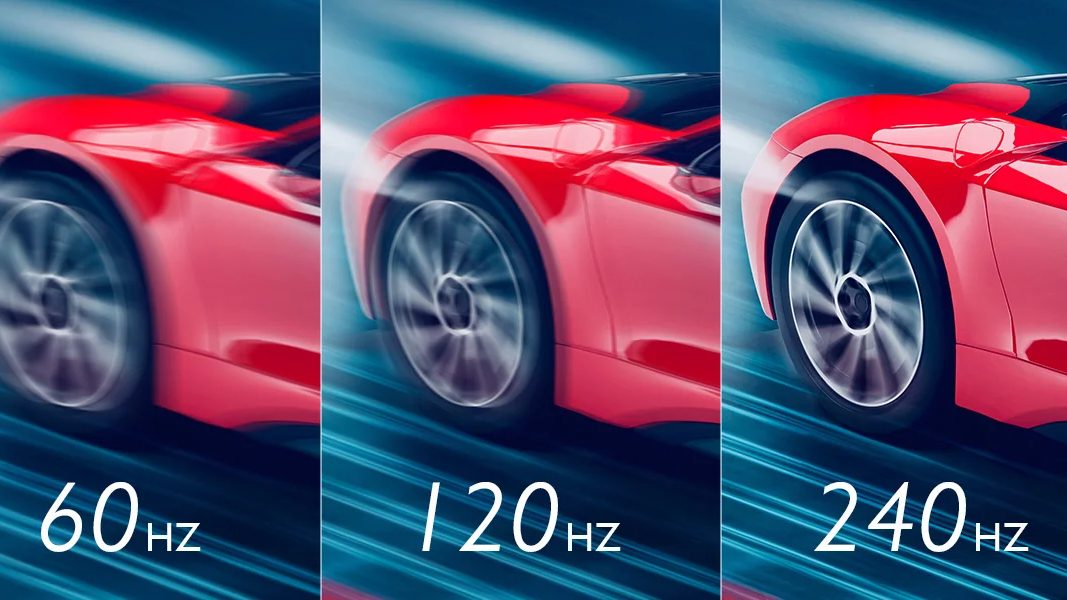
Upgrading from 60Hz to 144Hz makes a substantial and immediately noticeable difference for most gamers. The visual fluidity is dramatically improved, with less motion blur and smoother animations, particularly in fast-paced games. This enhancement translates to better responsiveness, easier enemy tracking, and a more immersive overall experience. It is often cited as the most impactful monitor upgrade for a balanced gaming setup, offering significant value for the investment.
Do I need a special cable for a high refresh rate monitor?
Yes, to fully utilize a high refresh rate monitor, you will typically need a DisplayPort cable (for PC) or an HDMI 2.0 or 2.1 cable (for PC and modern consoles like PS5/Xbox Series X). Older HDMI 1.4 or DVI cables may not have the bandwidth required to transmit high resolutions at high refresh rates. Always check your monitor's specifications for the recommended cable type to ensure you can achieve its advertised maximum refresh rate.
Will a 240Hz monitor make my computer perform faster?
A 240Hz monitor itself does not make your computer perform faster. Its role is to display frames at a higher rate. Your computer's graphics card (GPU) and processor (CPU) are responsible for generating the frames per second (FPS). If your PC cannot consistently produce 240 FPS in your games, a 240Hz monitor will simply display the frames your PC *can* generate at its refresh rate, potentially leading to frame duplication. For optimal experience, your FPS should match or exceed your monitor's Hz.
What are the best Hz options for a gamer on a tight budget?
For gamers on a tight budget, excellent options exist beyond 60Hz. A 75Hz monitor offers a slight but noticeable improvement over 60Hz without a significant price increase. The next best value point is often a 120Hz or 144Hz monitor, which has become much more affordable in recent years. Many reputable brands offer quality 1080p 144Hz panels at competitive prices, providing a substantial upgrade that delivers great value for money and significantly enhances gameplay.
Is a high Hz monitor beneficial for non-gaming tasks like productivity or browsing?
While the primary benefit of a high Hz monitor is for gaming, the increased refresh rate also makes non-gaming tasks smoother and more pleasant. Scrolling through web pages, moving your mouse cursor, and general desktop navigation all feel more fluid and responsive. For many busy adults who game but also use their computer for work or browsing, this added smoothness contributes to a more comfortable and less fatiguing overall computing experience, offering subtle but appreciated benefits.
How do I know if my current gaming setup can support a higher Hz monitor?
To determine if your current setup can support a higher Hz monitor, first check your graphics card (GPU) model. Look up benchmarks for your GPU with the specific games you play to see what average FPS it achieves. If your GPU consistently pushes frames well above 60 FPS (e.g., 100+ FPS), then upgrading to a 120Hz or 144Hz monitor is a good move. Also, ensure your GPU has the correct video output ports (DisplayPort or HDMI 2.0/2.1) required for high refresh rates. Matching your monitor's Hz to your GPU's output is key for optimal performance.
Ever found yourself stuck between wanting a buttery smooth gaming experience and not wanting to break the bank? Or maybe you are juggling work, family, and still craving that immersive escape with friends online? You are not alone. Many US gamers, especially those around 36 balancing life, are looking for smart upgrades that truly enhance their play without the hype. With 87% of us gaming regularly, often for over 10 hours a week, and social gaming on the rise across platforms like Discord, understanding your gear is key. Today, we are diving into whats a good hz for gaming a refreshingly practical guide to monitor refresh rates that actually makes a difference to your daily gaming sessions, whether you are relaxing with cozy games or climbing ranks in competitive titles. Forget the marketing jargon; let us talk real-world impact and value for your hard-earned dollars. Performance optimization does not have to mean a complete overhaul; sometimes, it is about making informed choices that directly impact your enjoyment. This guide aims to solve common pain points like performance bottlenecks and budget hardware upgrades, ensuring you get the most out of your valuable gaming time.
The landscape of gaming in 2026 is diverse, with mobile gaming dominating in user numbers but PC and console cross-play experiences still being paramount for depth and social interaction. Gamers want a seamless experience whether they are jumping into a free-to-play hit, exploring a major AAA title, or participating in casual cozy game sessions. Understanding refresh rates is foundational to achieving that visual fluidity that can truly elevate your gaming, making every moment more engaging and less frustrating. Let us explore the world of Hz and help you pinpoint the perfect refresh rate for your unique gaming lifestyle.
What Exactly is Hz and Why Does it Matter for Gaming
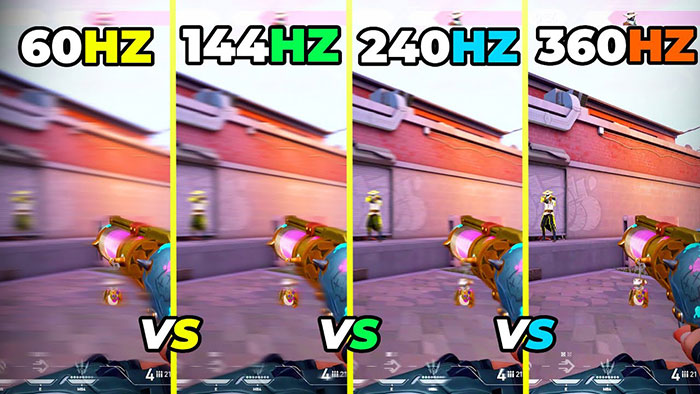
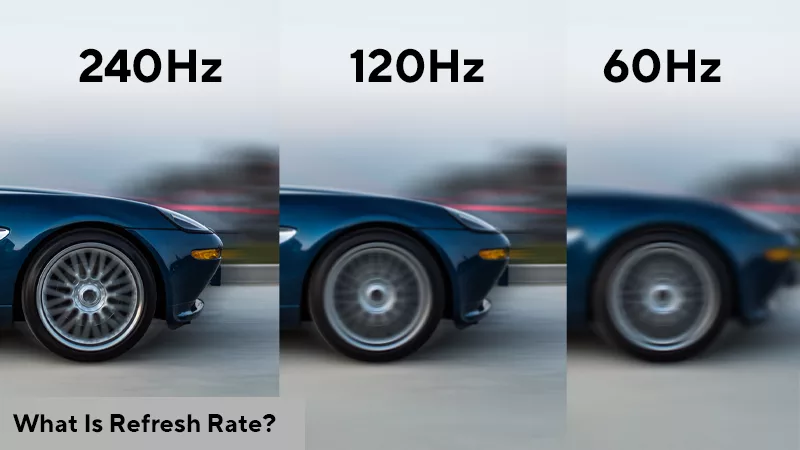
Hz, short for Hertz, measures how many times your monitor can refresh its image per second. A 60Hz monitor, for example, redraws the screen 60 times every second. Why does this matter for gaming? Simply put, a higher Hz means a smoother, more fluid visual experience. Imagine watching a flipbook; more pages flipped per second create a smoother animation. In gaming, this translates to less motion blur, clearer enemy movements, and a more responsive feel. For the average US gamer who values relaxation and fun, this can make a huge difference in immersion and comfort. For those focused on skill-building and competitive play, it can provide a critical edge by reducing input lag and improving reaction times, allowing for quicker target acquisition and more precise movements. It is a fundamental element in achieving optimal performance.
Is 60Hz Still Good Enough for Gaming in 2026
For many gamers, especially those who balance gaming with a demanding job and family life, 60Hz can still be perfectly acceptable. If you primarily play slower-paced, story-driven single-player games, strategy games, or cozy simulation titles, 60Hz provides a stable and enjoyable experience. Most consoles like the PS5 and Xbox Series X often target 60 frames per second for many titles, especially at higher resolutions like 4K, meaning a 60Hz monitor will display every frame your console outputs. However, if you are dabbling in competitive multiplayer games or fast-paced action titles, you will notice a significant difference by upgrading. While 60Hz is functional, it can feel less responsive and show more motion blur compared to higher refresh rates. It really boils down to your specific game library and personal preference for visual fluidity.
When Should I Consider a 120Hz or 144Hz Monitor
The sweet spot for many gamers looking for a noticeable upgrade without breaking the bank is often 120Hz or 144Hz. This range offers a dramatic improvement over 60Hz, providing significantly smoother visuals and reduced input lag. It is ideal for players who enjoy a mix of game genres, including competitive shooters, action-adventure titles, and even sports games. If you are regularly playing online multiplayer games or fast-paced single-player experiences, a 144Hz monitor will make movements look much more fluid and give you a tactical advantage in react-time scenarios. This is where most US gamers looking for performance optimization and value for money tend to land. Many current-gen GPUs can comfortably push 120-144 frames per second in popular titles at 1080p or 1440p, making this upgrade a practical and impactful choice for the majority.
Who Benefits Most From a 240Hz or Higher Refresh Rate
A 240Hz or even 360Hz monitor is primarily for hardcore competitive gamers and esports enthusiasts where every millisecond counts. If your primary focus is climbing leaderboards in games like Valorant, CS2, Overwatch, or Apex Legends, then these ultra-high refresh rates offer the ultimate edge. They provide unparalleled smoothness, virtually eliminating motion blur and allowing for extremely precise tracking and flick shots. Professional players and streamers often leverage these monitors to gain a competitive advantage. However, to fully utilize such high refresh rates, you need a powerful graphics card capable of consistently pushing 240+ frames per second in your chosen games. For the average gamer, balancing work and family, the jump from 144Hz to 240Hz might not be as perceptible or cost-effective as the leap from 60Hz to 144Hz, especially considering budget constraints and the types of games they typically play for relaxation.
How Does My Graphics Card Affect My Ideal Hz Choice
Your graphics card, or GPU, is the engine that generates frames per second (FPS) for your games. There is a crucial synergy between your GPU's FPS output and your monitor's refresh rate (Hz). If your GPU can only consistently generate 60 FPS in a game, having a 144Hz monitor will not magically make the game run at 144 FPS. You will still only see 60 unique frames per second, though the monitor will refresh its image 144 times, possibly leading to frame duplication. Conversely, if your GPU is pumping out 200 FPS, but you only have a 60Hz monitor, you are essentially discarding 140 frames per second of visual information. Therefore, a good rule of thumb is to match your monitor's Hz to the average FPS your GPU can achieve in your favorite games. Before investing in a high Hz monitor, check benchmarks for your GPU with the games you play to ensure you can actually hit those higher frame rates.
What is the Difference Between Hz and FPS
This is a common point of confusion for many gamers. As discussed, Hz (Hertz) refers to your monitor's refresh rate, which is how many times per second the screen can redraw an image. FPS (Frames Per Second), on the other hand, is the rate at which your graphics card is rendering and sending those individual images to your monitor. Think of it this way: your GPU is the artist painting the pictures (frames), and your monitor is the projector showing them. If the artist paints 100 pictures per second (100 FPS), but the projector can only show 60 pictures per second (60Hz), you will only see 60 of those unique pictures. Ideally, you want your FPS to be at least equal to, or higher than, your monitor's Hz to fully experience the fluidity a high refresh rate monitor offers. This synchronized delivery ensures the smoothest possible visual output.
Can I Use a High Hz Monitor With My Console PS5 Xbox Series X
Yes, absolutely! Both the PlayStation 5 and Xbox Series X support higher refresh rates, typically up to 120Hz at 1080p or 1440p for compatible games. Some titles can even run at 120Hz in 4K with certain settings. For console gamers who are looking to upgrade their display, a 120Hz monitor or TV can provide a noticeable improvement in responsiveness and visual smoothness in supported games. Before purchasing, just make sure the monitor has an HDMI 2.1 port for the best compatibility and performance, as this standard is required for 4K 120Hz. While 144Hz or 240Hz PC monitors will still work with consoles, the console itself will typically cap output at 120Hz, meaning you will not fully utilize the monitor's higher refresh rate beyond that point. However, if you plan to eventually build a PC, a 144Hz monitor is still a smart future-proof investment.
How Do I Check and Change My Monitor's Refresh Rate
Checking and changing your monitor's refresh rate is usually straightforward. For PC users, right-click on your desktop, select Display Settings, then scroll down to Advanced Display Settings. Here you should see your monitor's current refresh rate. To change it, click Display adapter properties for Display 1 (or your relevant display), navigate to the Monitor tab, and select your desired refresh rate from the Screen Refresh Rate dropdown menu. Make sure your graphics card drivers are up to date for all available options. For consoles, go into your system settings; on PS5, it is Settings Screen and Video Video Output Information. On Xbox Series X, it is Settings General TV & display options. Ensure your console's video output is set to allow for higher refresh rates if available, which might involve enabling Variable Refresh Rate (VRR) or selecting a specific video mode.
What are Some Common Misconceptions About High Refresh Rates
One common misconception is that a higher Hz monitor will automatically make your games run faster. As we discussed, your GPU's FPS output is the primary factor for game speed; Hz just determines how smoothly those frames are displayed. Another myth is that you need a 240Hz monitor to be competitive. While beneficial, a 144Hz monitor is more than adequate for high-level competitive play for most gamers. Some even believe the human eye cannot perceive anything above 60Hz, which is demonstrably false; the difference between 60Hz and 144Hz is immediately noticeable to almost everyone. Finally, people often think high refresh rates are only for expensive monitors. While top-tier models can be pricey, excellent 144Hz monitors are now widely available at very reasonable price points, making them accessible even on a budget. Do not fall for the hype; focus on what truly benefits your gaming style and budget.
How Can I Balance Refresh Rate With My Budget and Game Choices
Balancing refresh rate with your budget and game choices requires a practical approach. First, consider the games you play most. If you are mainly into casual story games or social titles like Animal Crossing or Stardew Valley, a 60Hz or 75Hz monitor will suffice, allowing you to save money for other upgrades or games. If you enjoy competitive games or fast-paced action, aim for 120Hz or 144Hz. These offer the best balance of performance and cost for most gamers. Lastly, check your current GPU's capabilities. If your GPU struggles to hit 100 FPS in your favorite games, investing in a 240Hz monitor might be overkill. Prioritize a refresh rate that your system can consistently drive. This smart approach ensures you get the most value for your money, avoid setup issues, and truly enhance your specific gaming experience without unnecessary spending, aligning perfectly with the mindful approach many adult gamers take to their hobbies.
As of this month, gamers are increasingly seeking setups that offer both performance and flexibility, reflecting the rise of cross-platform play and the desire to stay current without constant upgrades. Many are opting for 1440p 144Hz monitors as a versatile solution that performs well across PC and console, and caters to both competitive and casual play. This pragmatic approach underscores the current trend of optimizing existing setups for maximum enjoyment.
What is the ideal Hz for a balanced gaming setup?
For a balanced gaming setup in 2026, a 144Hz monitor is generally considered ideal. It provides a significant visual improvement over 60Hz, enhancing smoothness and responsiveness for most game genres, including competitive titles and immersive experiences. This refresh rate strikes a great balance between performance and affordability, making it accessible for gamers around 36 years old who need value without sacrificing quality.
Does a higher Hz monitor improve my gaming skill?
While a higher Hz monitor does not inherently make you a better player, it provides a clearer and more responsive visual environment that can absolutely help improve your skill. By reducing motion blur and input lag, it allows for quicker reactions and more precise aiming. This means you can spot enemies faster, track movements more accurately, and react more effectively to in-game events, ultimately contributing to better performance and skill development over time.
What is FreeSync or G-Sync and how do they relate to Hz?
FreeSync and G-Sync are adaptive sync technologies that synchronize your monitor's refresh rate with your graphics card's frame rate. This eliminates screen tearing and reduces stuttering, providing an even smoother gaming experience, especially when your FPS fluctuates. These technologies enhance the benefits of a high Hz monitor by ensuring every frame your GPU renders is displayed perfectly, making them highly recommended alongside your chosen refresh rate for optimal visual fluidity.
Can my old graphics card handle a new high Hz monitor?
Your graphics card must be able to output enough frames per second to take full advantage of a new high Hz monitor. While an older GPU can still display on a higher Hz monitor, it might not consistently hit frame rates beyond 60-75 FPS in demanding games, meaning you won't fully utilize the monitor's potential. It is crucial to check your GPU's performance benchmarks for your preferred games before upgrading your monitor to ensure compatibility and avoid performance bottlenecks.
Choosing whats a good hz for gaming really boils down to your personal priorities: your preferred game genres, your existing hardware, and your budget. For the majority of US gamers balancing life's demands, a 120Hz or 144Hz monitor offers the perfect blend of smooth performance and value. It is an upgrade that genuinely enhances the enjoyment of both competitive and relaxing gaming sessions. Remember, the goal is to optimize your experience, not just chase the highest numbers. A smart, informed decision means more fun, less frustration, and a setup that truly supports your passion.
What is your biggest gaming challenge or favorite refresh rate setup? Share your thoughts below!
Understanding monitor refresh rates is crucial for an optimized gaming experience, whether you are a casual player or a competitive enthusiast. This guide focuses on whats a good hz for gaming, emphasizing that the ideal refresh rate depends heavily on your game genres, budget, and graphics card capabilities. Key highlights include the significant visual smoothness offered by higher Hz monitors, particularly 144Hz for a balanced upgrade and 240Hz for competitive edge. We also cover how to avoid common setup issues, ensuring your hardware works in harmony. Value for money is central, helping you make informed decisions without overspending on features you might not fully utilize. For gamers balancing life and play, choosing the right Hz can enhance relaxation and competitive skill building by providing a more responsive and fluid visual environment. Recent US gaming trends show a continued demand for performance optimization that directly impacts player enjoyment and social connectivity in games.
35


The 28 Best 240 HZ Gaming Laptops Of 2026 Verified Cherry Picks 240 Hz . T N S Qu T M N H Nh L G C Ch Xem V Ch Nh T N S Qu T M N H Nh Tan So Quet 240hz . Does Hz Matter Console Gamer Tries 180hz YouTube . The Ultimate Guide To Choosing The Best Hz For Your Gaming Monitor Arzopa 60hz Vs 120hz. Mini LED Vs OLED An Ultimate Comparison Guide


Is 120Hz Crucial For Your Gaming Experience . How Much Is A Normal Gaming PC What Is The Cost . The World S First Gaming Monitor With A 1080Hz Refresh Rate Is Here Benq Refresh Rate . World S First 1 080 Hertz Gaming Monitor With Dual Mode Support . Top 10 Most Anticipated Games Of 2026 What To Watch Out For TVN GAMES IN 2026


Best 1440p 165Hz Gaming Monitors 2026 3 Picks That Actually Make Sense Best 1440p 165hz Gaming Monitors 2026 . Asus New 5K Gaming Monitor Is So High End It Doesn T Even Officially . 10 Best Gaming Laptops With 240Hz Display July 2026 Expert Reviews Featured . 10 Much Awaited Games Set To Launch In 2026 Games To Launch 2026 1068x672 . TV Refresh Rates Explained What S The Difference Between 60Hz 120Hz Tv Refresh Rates Explained Whats The Difference Between 60hz 120hz And 240hz 7361
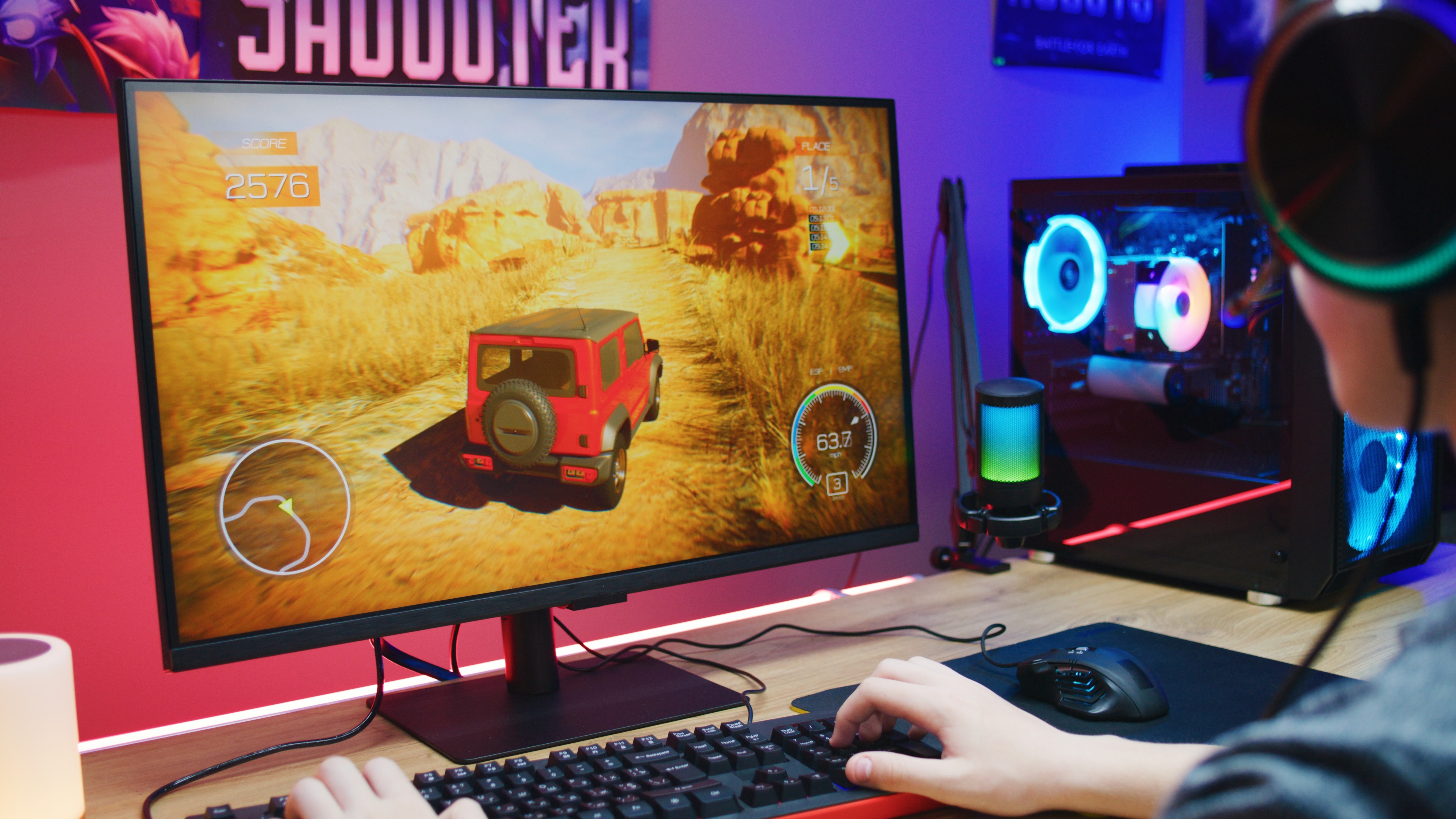


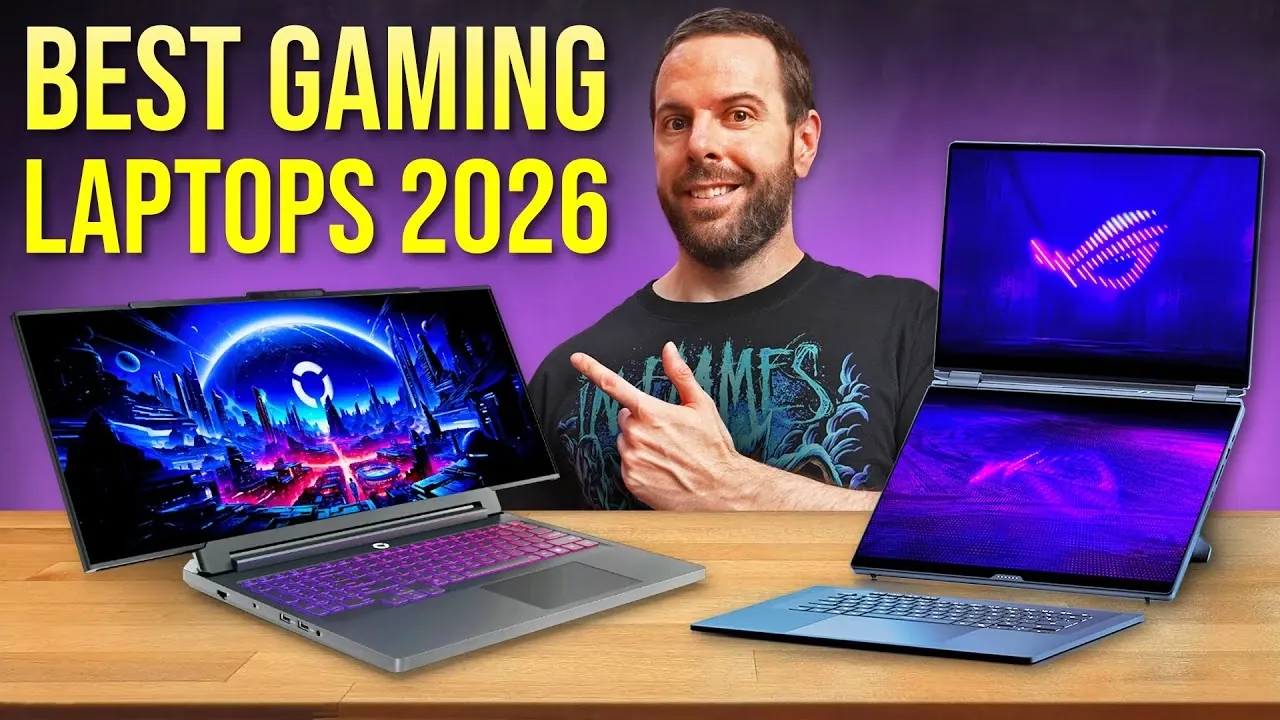

Samsung Is Finally Bringing Nvidia G Sync And AMD FreeSync Premium Pro . Best Budget Gaming GPU 2026 Top Picks Under 200 Switchblade Gaming Best Budget Gaming Gpu 2026 Intext Budget Gpu. 5 Best Smartphones For Gaming In 2026 MobileMall Blog Gaming Phones.webp. Best Gaming Laptops At CES 2026 RTX 5090 Options Dual Screen Picks Lenovo Legion Pro Rollable Concept. Monitor Hz Vs Ms At Jaime Arndt Blog


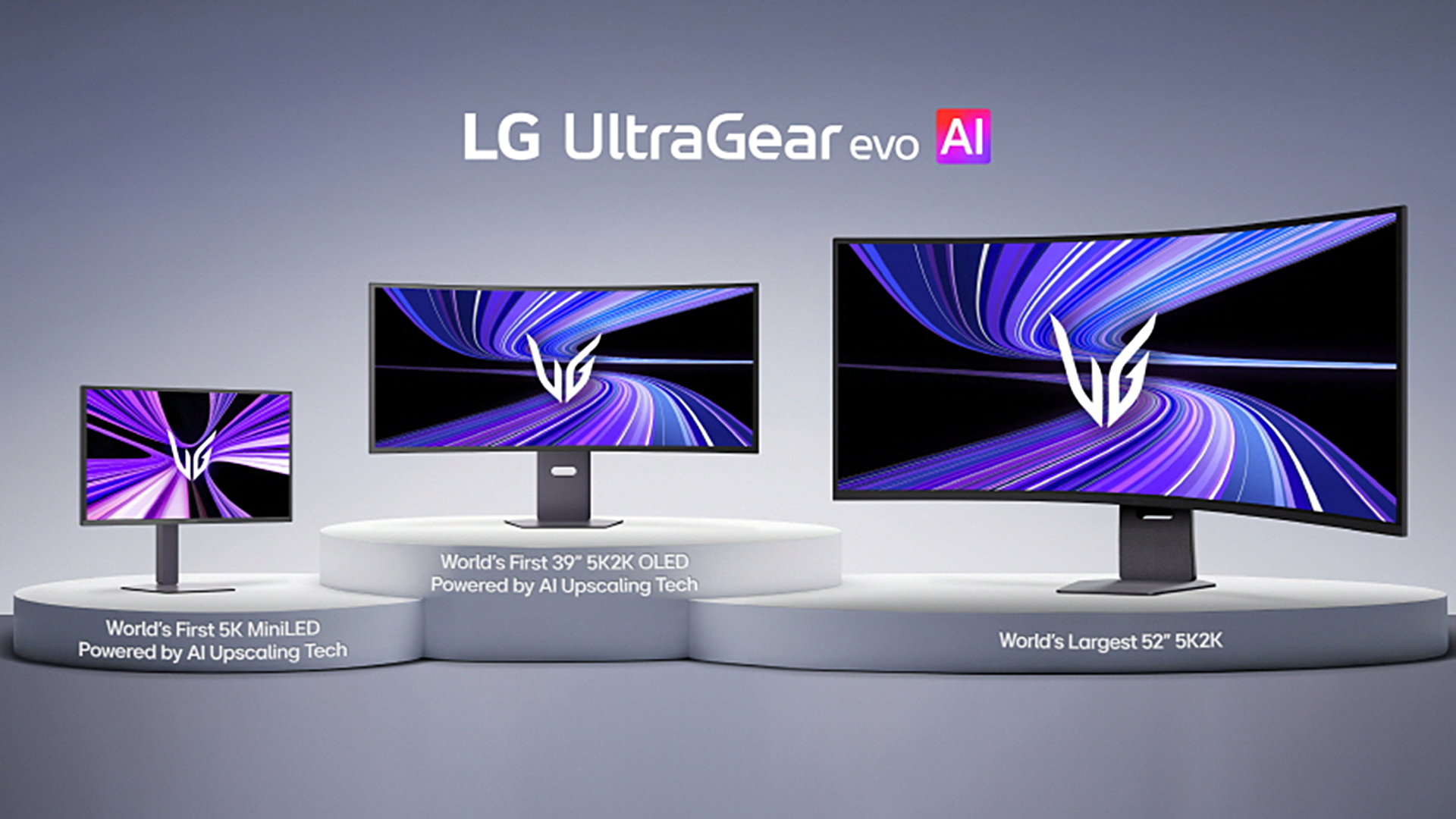
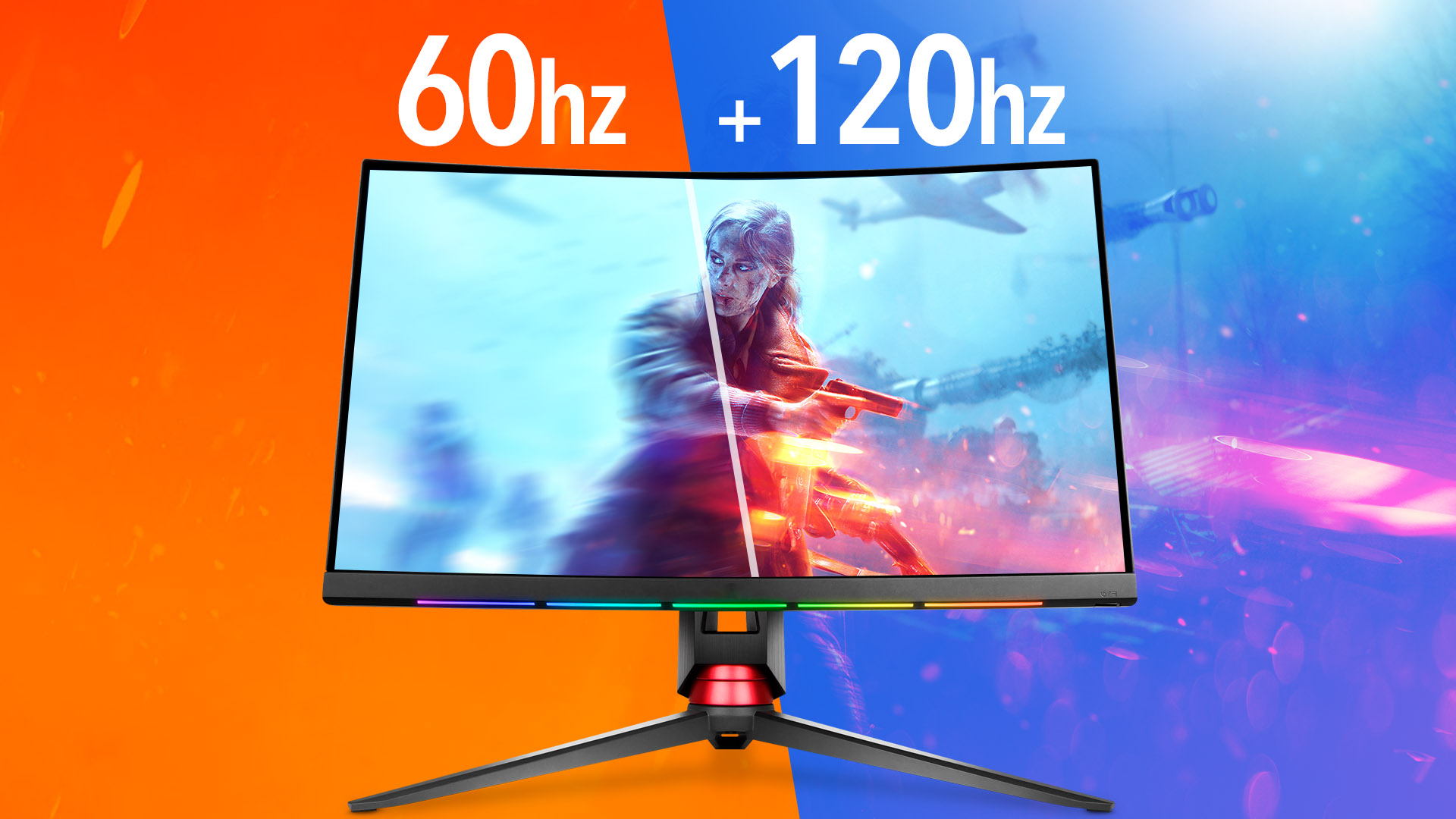
100hz Gaming Monitor Full Testing Vs 60hz Monitor Which One Best . 60Hz VS 120Hz JYLED 120hz Vs 60hz . Asus New 5K Gaming Monitor Is So High End It Doesn T Even Officially . Is 120Hz Crucial For Your Gaming Experience 7 . Xbox Game Showcase 2026 Trailers Release Dates TAFT Independent 2026 Video Game Release Dates Post Feature Image
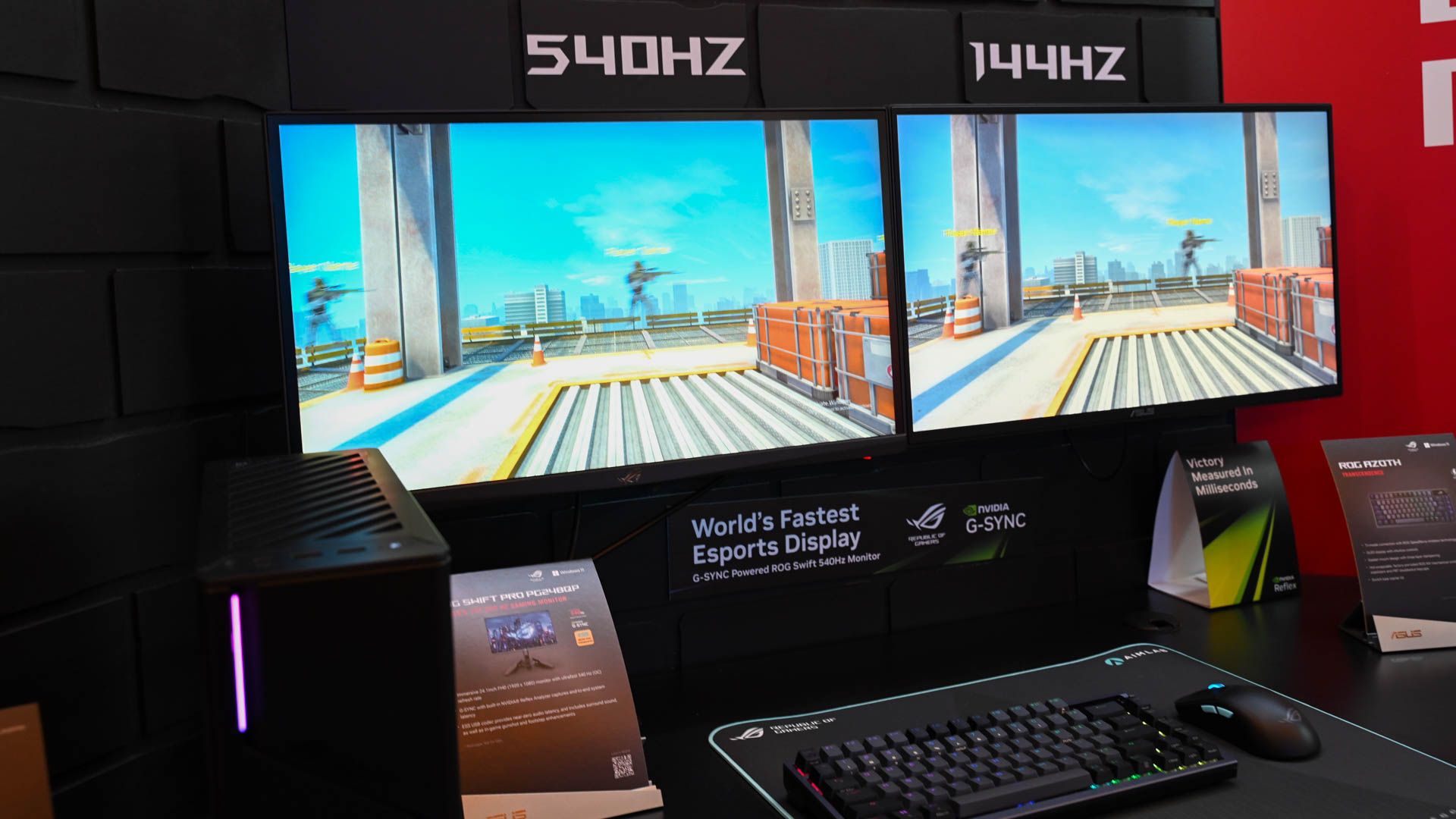
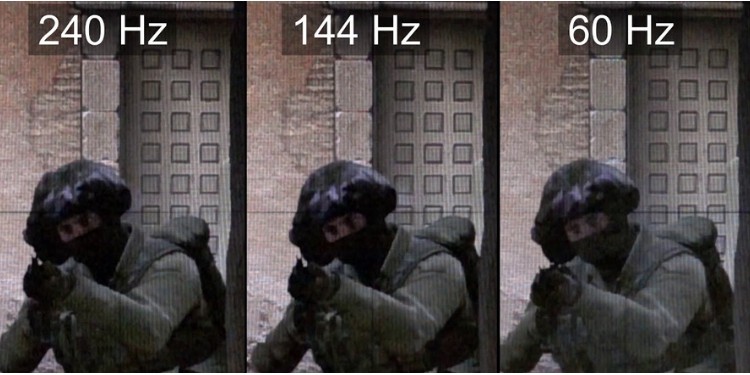

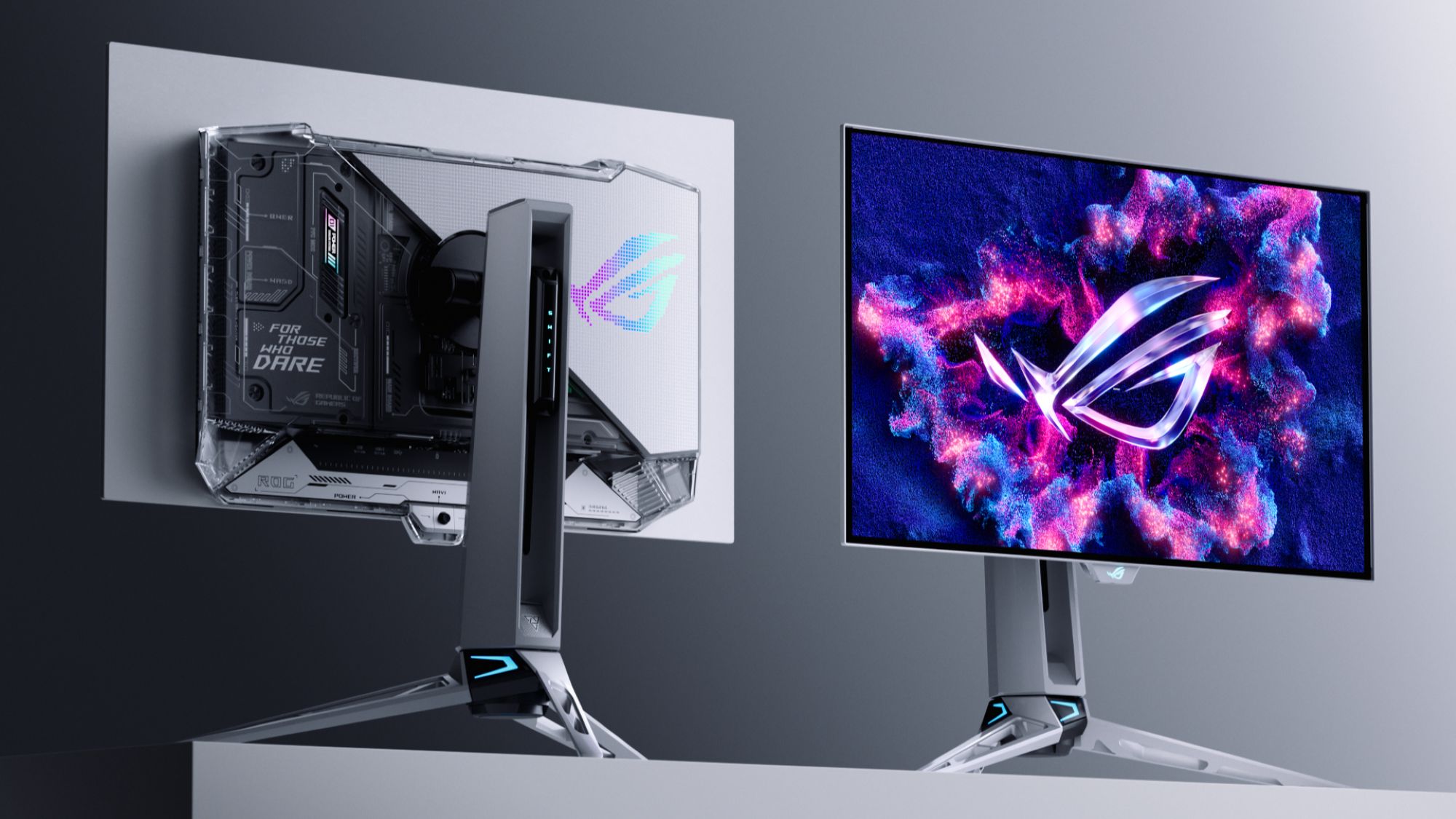

Do I Need A 120Hz Monitor 6 Aspects To Consider 52624951156 5772092947 O . Best Gaming Monitors 2026 All Sizes From Premium To Budget Models 60hz Vs 144hz Vs 240hz . The Best Gaming Phones For 2026 The Best Gaming Phones For 2025 Hacr . Five Upgrades For Your Gaming PC That Aren T Affected By The Memory .

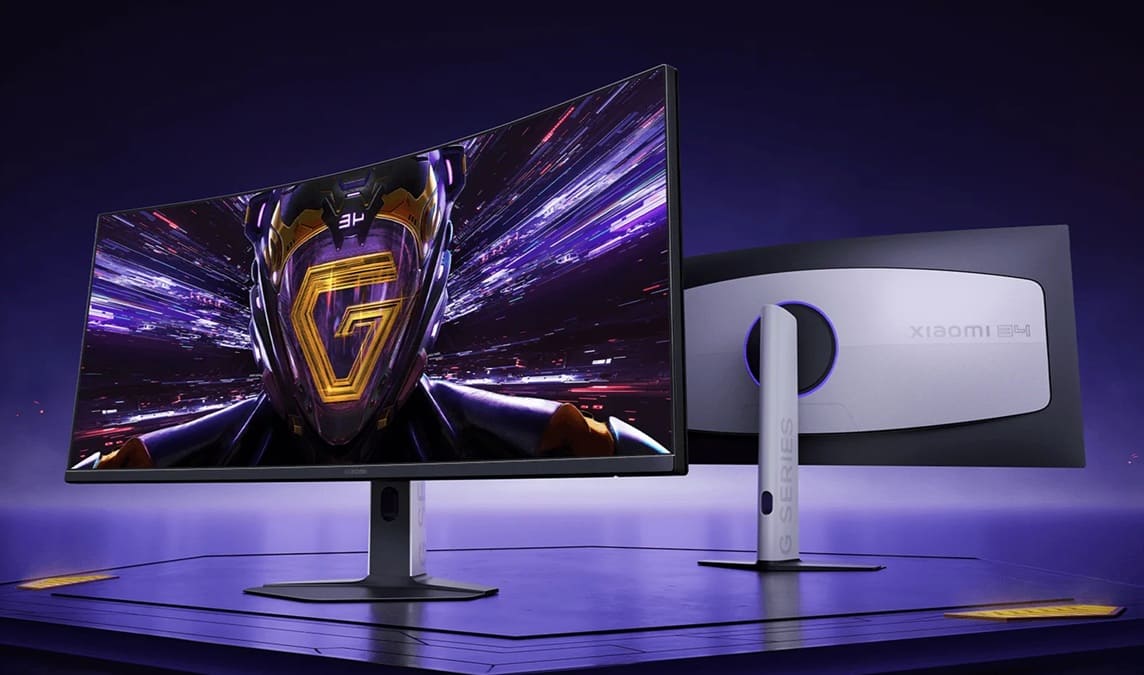


240 Vs 144 Vs 60 FPS Hz Fortnite Comparison In Depth Analysis YouTube . Xiaomi Curved Gaming Monitor G34WQi 2026 Debuta En Australia Con 180 Hz Curved Gaming Monitor G34WQi 2026 Portada . What S A Good Refresh Rate For Gaming 60hz Vs 144Hz Beyond Whats A Good Refresh Rate For Gaming . The Ultimate Buying Guide To Gaming Laptops 2026 Sourav Joshi Vlogs Best Gaming Laptops 2026 . Unlocking The Power Of FPS And Hz In Gaming Gamer Org 10