Every gamer balancing work life and family wonders does a gaming motherboard truly make a difference in their setup or is it just another expensive component Understanding the impact of a motherboard on gaming performance system stability and future upgrade potential is crucial for smart hardware investments This comprehensive guide explores how a quality gaming motherboard influences everything from consistent frame rates to faster data transfer and robust connectivity We delve into VRM quality advanced features and long term value helping busy gamers make informed decisions without falling for marketing hype Discover practical insights to optimize your gaming experience prevent frustrating setup issues and ensure your hard earned money goes towards a PC that genuinely enhances your limited gaming time
Related games- How To Decrypt Steam Games A Gamer Guide
- Goko ID Roblox How To Find And Use Your Codes Guide
- How Much is a PC Gaming Computer? Your 2026 Guide
- Guide to Shellbound Codes Roblox Freebies Fun
- Guide How To Report Players In Roblox Spray Paint
Q: How critical is the VRM on a gaming motherboard for stable performance?
A: The Voltage Regulator Module (VRM) on a gaming motherboard is incredibly critical, especially if you plan on using a high-end CPU or engaging in any overclocking. A robust VRM ensures stable power delivery to your CPU, preventing thermal throttling and maintaining consistent performance during intense gaming sessions. Without good VRMs, your CPU might not reach its full potential, leading to stuttering or reduced frame rates under load. Think of it as the power grid for your CPU; a stronger grid means more reliable and efficient electricity flow for optimal gaming stability and longevity.
Q: Does motherboard form factor affect gaming performance or just compatibility?
A: Motherboard form factor, such as ATX, Micro-ATX, or Mini-ITX, primarily affects compatibility with your PC case and the number of expansion slots available. It doesn't directly impact gaming performance like FPS. However, a larger ATX board might offer more PCIe slots for multiple GPUs or additional storage, and often better thermal dissipation due to more surface area and larger VRM heatsinks. This indirect benefit can lead to more stable, sustained performance and better upgrade paths, essential for a seamless gaming experience.
Q: Are built-in Wi-Fi and advanced networking features essential for online gaming?
A: For competitive online gamers, built-in Wi-Fi 6E (or even Wi-Fi 7) and advanced Ethernet ports like 2.5Gbps are highly beneficial. While a wired connection is always preferred, high-quality wireless ensures minimal latency and stable connections when cabling isn't an option. These features reduce ping, improve bandwidth, and prioritize game traffic, preventing frustrating lag spikes and disconnects crucial for maintaining an edge in fast-paced titles and enjoying smooth social gaming sessions with friends.
Q: Can a gaming motherboard improve my PC's audio experience?
A: Absolutely. Gaming motherboards often feature isolated audio circuitry, higher quality capacitors, and dedicated audio codecs like Realtek ALC1220 or even integrated DACs. This translates to clearer, richer in-game sound effects and more precise spatial audio, which can be a game-changer for immersion and competitive advantage. Hearing footsteps more clearly or experiencing a game world with deeper soundscapes significantly enhances the overall experience, making your gaming sessions more enjoyable. Whether you are exploring a vast RPG or clashing in an FPS, superior audio truly elevates the gameplay.
Q: Is it worth paying extra for a motherboard with more RGB lighting?
A: The value of extra RGB lighting on a gaming motherboard is purely aesthetic and subjective. It does not contribute to gaming performance in any measurable way. Many gamers enjoy the personalization and visual flair RGB adds to their setup, especially for transparent cases, creating a unique look. However, if you are on a budget or prioritize raw performance over cosmetics, that extra money could be better spent on a more powerful CPU, GPU, or faster storage. It boils down to personal preference and whether the visual appeal outweighs the cost for your gaming rig.
Q: How does future-proofing relate to choosing a gaming motherboard?
A: Future-proofing a gaming motherboard means selecting one with the latest technologies that will remain relevant for several years. This includes supporting the newest CPU generations, DDR5 RAM, PCIe 5.0 for GPUs and NVMe SSDs, and high-speed USB ports. Investing in these modern standards ensures your motherboard can accommodate future component upgrades without becoming a bottleneck. It saves you money and effort in the long run by delaying the need for an entire platform overhaul, allowing you to enjoy new games and hardware without immediate compatibility worries.
Q: Do gaming motherboards make a difference for casual gamers who don't overclock?
A: Even for casual gamers who don't overclock, a gaming motherboard can still make a significant difference. While the extreme performance boost from overclocking won't apply, they benefit from the overall stability, enhanced cooling, better connectivity, and improved audio that gaming motherboards offer. These features translate to a smoother, more reliable, and more enjoyable gaming experience—fewer crashes, better network performance, and clearer sound—ultimately enhancing relaxation and fun without the need for advanced tweaking.
Ever found yourself staring at a sea of motherboard options, wondering, "Does a gaming motherboard really make a difference, or am I just buying into marketing hype?" If you're like most US gamers, around 87% of us play regularly, often dedicating 10+ hours a week, balancing our passion with jobs, families, and life. We value every minute of relaxation, fun, and competitive play. The last thing we need is a confusing PC build or an underperforming rig causing setup issues or performance problems during our precious gaming time. While mobile gaming dominates in sheer numbers, the pursuit of a high-fidelity PC experience remains a core passion for millions.
You want your hard-earned money to deliver tangible improvements, not just flashy RGB. You're looking for performance optimization, value for money, and a system that stays current without constant, costly upgrades. This month's data shows a continued surge in social co-op games and the enduring popularity of free-to-play titles, all demanding stable, high-performance systems for seamless online experiences. This guide is for you, the busy adult gamer seeking clarity. We're cutting through the noise to genuinely answer: does a gaming motherboard make a difference, and how can you choose the right one for your needs?
We'll tackle common pain points, from understanding complex specs to making smart budget decisions, ensuring your next upgrade truly levels up your gaming experience.
Does a Gaming Motherboard Really Impact FPS?
This is arguably the most common question, and the answer isn't a simple yes or no. A motherboard itself doesn't directly increase your frames per second (FPS) like a more powerful graphics card or CPU would. Its role is more foundational: it's the central nervous system that connects and facilitates communication between all your components. Think of it as the conductor of an orchestra; it doesn't play the music, but it ensures every instrument works harmoniously and at its peak.
However, a quality gaming motherboard *indirectly* impacts FPS by ensuring your CPU, GPU, RAM, and storage can perform at their maximum potential without bottlenecks. Poor power delivery (VRM), inadequate cooling, or outdated connectivity can prevent your high-end CPU or GPU from reaching its boost clocks consistently, leading to micro-stutters or reduced sustained FPS in demanding titles. For competitive gamers who demand consistent performance, this stability is crucial.
What Key Features Make a Motherboard "Gaming"?
When manufacturers label a motherboard as "gaming," they're usually highlighting specific features tailored for performance, stability, and enthusiast use. These go beyond the basics needed for a general-purpose PC. Understanding these helps you discern true value from marketing fluff.
- Robust VRM Design: Voltage Regulator Modules (VRMs) are critical for delivering clean, stable power to your CPU. Gaming boards typically feature more power phases and higher quality components (chokes, capacitors) to handle powerful CPUs and sustained loads, especially during overclocking.
- Enhanced Cooling Solutions: Expect larger, more effective heatsinks on VRMs, chipsets, and M.2 SSD slots. Better cooling prevents thermal throttling, ensuring components maintain peak performance during long gaming sessions.
- Advanced Connectivity: This includes faster networking (2.5GbE Ethernet, Wi-Fi 6E/7), more USB 3.2 Gen 2x2 ports, and multiple PCIe 4.0/5.0 slots for current and future GPUs and NVMe SSDs.
- High-Quality Audio: Dedicated audio codecs, isolated circuitry, and premium capacitors often deliver a clearer, more immersive sound experience than standard boards.
- Overclocking Capabilities: Gaming motherboards provide more extensive BIOS/UEFI options for tweaking CPU and RAM frequencies and voltages, appealing to users who want to push their hardware limits.
- Durability and Aesthetics: Reinforced PCIe slots, multi-layered PCBs, and often integrated RGB lighting contribute to both longevity and visual appeal.
How Does VRM Quality Affect Gaming Performance and Overclocking?
The Voltage Regulator Module (VRM) is one of the most vital components on a gaming motherboard, acting as the power delivery system for your CPU. Its quality directly impacts your system's stability, especially under heavy loads like intense gaming or demanding multitasking. A robust VRM ensures that your CPU receives clean, consistent power, allowing it to maintain its peak boost clocks without encountering thermal throttling or instability.
For gamers who plan to overclock their CPU, a high-quality VRM is non-negotiable. Overclocking pushes the CPU beyond its default specifications, requiring more power and generating more heat. A well-designed VRM with ample power phases and effective cooling can handle this increased demand, preventing crashes and ensuring your overclock remains stable. Without it, even a powerful CPU might struggle to maintain its performance, leading to frustrating stutters or system shutdowns. Investing in a motherboard with a solid VRM is investing in reliable, sustained performance.
Is Advanced Connectivity (PCIe 5.0, Wi-Fi 6E) Essential for Gamers?
In 2026, advanced connectivity features like PCIe 5.0 and Wi-Fi 6E (or even the newer Wi-Fi 7) are becoming increasingly relevant, though not always immediately essential for *every* gamer. PCIe 5.0 offers double the bandwidth of PCIe 4.0, which is crucial for the latest high-end graphics cards and ultra-fast NVMe SSDs. While current GPUs might not fully saturate PCIe 4.0, future generations certainly will, making PCIe 5.0 a strong future-proofing feature, especially for enthusiasts and those upgrading every few years.
For online gaming, fast and stable networking is paramount. Wi-Fi 6E and Wi-Fi 7 utilize the 6GHz band, offering significantly reduced latency, less interference, and higher bandwidth compared to older Wi-Fi standards. This is a game-changer for gamers who can't run an Ethernet cable, providing a wireless experience closer to wired performance. Paired with 2.5GbE Ethernet, these features ensure minimal ping and smooth online interactions, which is vital for competitive titles and social gaming with friends on platforms like Discord. Consider your current setup and future upgrade plans: if you prioritize speed and future compatibility, these features are worth the investment.
Do Audio Enhancements on Gaming Motherboards Matter?
For many gamers, the audio experience is just as crucial as the visuals, and yes, audio enhancements on gaming motherboards can absolutely make a difference. Standard motherboards often use basic audio codecs with minimal shielding, leading to potential electrical interference (coil whine) and flatter sound. Gaming motherboards, however, frequently feature premium integrated audio solutions.
These solutions typically include advanced audio codecs like Realtek ALC1220 or even dedicated DACs (Digital-to-Analog Converters), isolated audio circuitry to prevent interference, and high-quality audio capacitors. The result is a clearer, richer, and more immersive soundscape in your games. You'll hear subtle sound cues more distinctly – like enemy footsteps in an FPS or ambient sounds in an open-world RPG – which can enhance both competitive advantage and overall immersion. While a dedicated sound card or external DAC/amp might offer the ultimate experience, a good gaming motherboard's integrated audio is a significant upgrade over basic solutions and perfectly sufficient for most gamers.
How Important is Motherboard Durability and Cooling for Longevity?
Motherboard durability and effective cooling are highly important factors for the longevity and sustained performance of your gaming PC. A well-built gaming motherboard incorporates features designed to withstand the stresses of high-performance components and prolonged gaming sessions. This includes:
- Reinforced PCIe Slots: Preventing sag and damage from heavy graphics cards.
- Multi-layered PCBs: Enhancing electrical signal integrity and heat dissipation.
- High-Quality Components: Longer-lasting capacitors and chokes in the VRM design.
Beyond structural integrity, robust cooling solutions are critical. Large VRM heatsinks, chipset heatsinks, and even dedicated M.2 SSD heatsinks prevent thermal throttling. When components get too hot, they automatically reduce their performance to prevent damage, leading to reduced FPS and stuttering. Effective cooling ensures that your CPU and SSDs can operate at their peak speeds consistently, even during intense gaming marathons. This not only maintains performance but also extends the lifespan of your valuable components, saving you money and hassle in the long run.
When Should I Consider Upgrading My Motherboard for Gaming?
Upgrading your motherboard isn't a casual decision; it often means a significant overhaul of your PC's core components. You should consider upgrading your motherboard for gaming when:
- New CPU Generation: Your current motherboard no longer supports the latest generation of CPUs you wish to upgrade to (e.g., moving from an older Intel generation to a new one, or switching AMD platforms). This is the most common reason.
- Lack of Essential Features: Your current board lacks modern features becoming crucial for your gaming experience, such as PCIe 5.0 for next-gen GPUs/SSDs, USB 3.2 Gen 2x2 for fast peripherals, or high-speed networking like Wi-Fi 6E.
- Bottlenecking Performance: Your current board's VRM or power delivery isn't sufficient for your high-end CPU, leading to thermal throttling and unstable performance.
- Component Failure: Your motherboard has failed, necessitating a replacement.
- Major Performance Upgrade: You're doing a complete platform overhaul to get a significant performance boost that your current board can't facilitate.
Remember, a motherboard upgrade usually requires a new CPU and potentially new RAM, making it a substantial investment. Plan carefully to ensure it aligns with your budget and performance goals.
Can a Budget Gaming Motherboard Still Deliver a Great Experience?
Absolutely, a budget gaming motherboard can deliver a fantastic experience, especially for the average gamer balancing life and leisure. Not everyone needs or can afford the top-tier, feature-packed boards. Many modern mid-range motherboards, even entry-level ones from reputable brands, offer a surprising amount of value.
These boards often include solid VRMs sufficient for most mainstream CPUs (even without extreme overclocking), at least one PCIe 4.0 slot for a modern GPU, decent networking, and enough USB ports for common peripherals. While they might lack some premium features like extreme overclocking headroom, multiple PCIe 5.0 slots, or the absolute best integrated audio, they provide a stable and reliable foundation for an enjoyable gaming PC. The key is to match the motherboard to your other components; don't pair a top-tier CPU and GPU with the absolute cheapest board. A well-chosen budget board allows you to allocate more of your budget to the CPU, GPU, or faster storage, where you'll see more direct gaming performance benefits. Many gamers are finding incredible value in this segment, proving that smart spending often outweighs excessive spending.
How Do I Choose the Right Gaming Motherboard for My CPU?
Choosing the right gaming motherboard for your CPU is a critical step in building a balanced and efficient PC. It's not about finding the "best" motherboard overall, but the best one for *your* specific CPU and intended use. Here's a simplified guide for busy gamers:
- Socket Compatibility: This is non-negotiable. Ensure the motherboard's CPU socket (e.g., LGA 1700 for Intel, AM5 for AMD) matches your processor.
- Chipset: The chipset dictates features and capabilities. For modern Intel CPUs, you'll look at Z-series for overclocking, B-series for mainstream gaming, and H-series for basic builds. For AMD, X-series for enthusiasts, B-series for mainstream, and A-series for budget.
- VRM Quality: If you have a high-end CPU (like an Intel i7/i9 or AMD Ryzen 7/9) or plan to overclock, prioritize a motherboard with robust VRMs and good heatsinks. Reviews often detail VRM performance.
- RAM Support: Check for DDR4 or DDR5 compatibility and maximum supported speeds. Ensure it matches your chosen RAM.
- Connectivity: Consider how many USB ports you need, if you require Wi-Fi (and which standard), and if you need specific PCIe 5.0 slots for future GPUs/SSDs.
- Form Factor: ATX (standard), Micro-ATX (smaller), or Mini-ITX (compact). Choose one that fits your case and offers enough expansion slots for your needs.
- Budget: Allocate a realistic portion of your budget to the motherboard. Don't overspend on features you won't use, but don't underspend if you have high-end components.
Doing a bit of research on your specific CPU's power draw and recommended chipsets will guide you immensely.
What About Aesthetics and RGB on Gaming Motherboards?
For many gamers, aesthetics and RGB lighting are an important part of personalizing their gaming setup. Gaming motherboards often come with integrated RGB lighting zones, headers for connecting additional RGB strips, and visually striking heatsink designs. While these features have absolutely no impact on gaming performance or FPS, they contribute significantly to the overall look and feel of your PC, especially if you have a case with a tempered glass side panel.
Customizing the lighting to match your other peripherals or personal style can enhance the immersive feel of your battle station. However, it's crucial to remember that you're paying a premium for these visual elements. If you're on a strict budget and every dollar counts towards performance, then focusing on core features like VRM quality, connectivity, and cooling will yield far greater benefits. For those who can afford it and value the visual flair, RGB is a fun way to express creativity and build a truly unique system, but it's a luxury, not a necessity for gaming prowess.
Ultimately, a gaming motherboard does make a difference, but not in the direct "more FPS" way many assume. It provides the critical infrastructure for your high-performance components to shine, ensuring stability, unlocking overclocking potential, and offering essential features like advanced connectivity and superior audio. For the average gamer, balancing performance with budget and life, choosing a motherboard that aligns with your CPU's needs and offers key features without unnecessary frills is the smartest play. It's about optimizing your experience and getting reliable performance every time you sit down to game.
What's your biggest gaming hardware challenge? Comment below and let's help each other out!
FAQ Section
Q: Do all motherboards support the same CPUs?
A: No. Motherboards are designed for specific CPU sockets (e.g., Intel's LGA 1700 or AMD's AM5) and generations. Always check compatibility before buying a CPU or motherboard.
Q: Is a more expensive motherboard always better for gaming?
A: Not always. While high-end boards offer more features and better power delivery, a moderately priced gaming motherboard often provides excellent value and performance for most gamers. Overspending on features you won't use is common.
Q: Can my motherboard limit my GPU's performance?
A: Indirectly, yes. If your motherboard has older PCIe slots (e.g., PCIe 3.0 with a PCIe 4.0/5.0 GPU), it can slightly bottleneck the GPU's potential. Also, a poor VRM can destabilize the system affecting overall performance.
Q: Do gaming motherboards use special RAM?
A: Gaming motherboards support standard DDR4 or DDR5 RAM, just like other boards. The difference is they often support higher RAM speeds (via XMP/EXPO profiles) and have more robust power delivery to ensure stable operation at those speeds.
Q: How often should I replace my gaming motherboard?
A: You typically only need to replace your motherboard when upgrading to a new CPU generation that requires a different socket, or if your current motherboard fails. They are not a component you upgrade frequently for performance gains alone.
Q: What is a chipset and why is it important for gaming?
A: The chipset is a set of microchips that manages data flow between the CPU and other components like RAM, storage, and expansion cards. For gaming, a good chipset ensures efficient data transfer, supports modern features like PCIe 5.0, and provides robust connectivity options, which are vital for a smooth experience.
Superior power delivery for stable CPU GPU performance Enhanced connectivity faster networking future proofing Better cooling for sustained performance improved longevity Higher quality audio for immersive gaming experiences Robust build quality for durability and reliability Optimized upgrade pathways for future components Smart investment for serious gamers balancing budget and performance
35

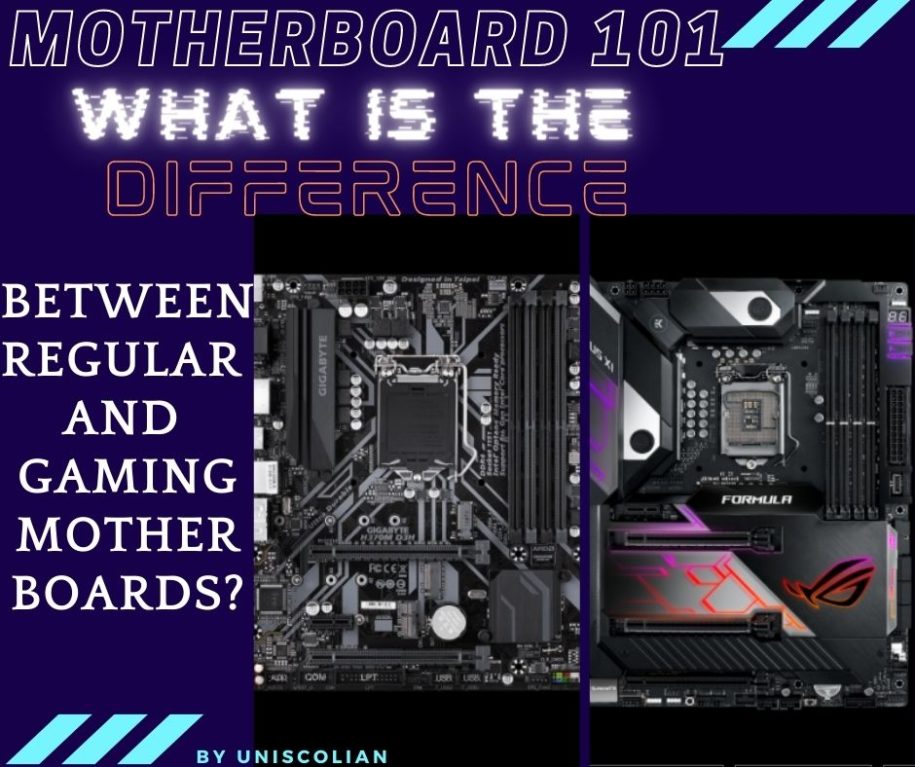

AMD Motherboard Buying Guide 2026 Top Picks For All Needs Top 10 AMD For Gaming And In 2026 . Computer Motherboard Intel . Does Motherboard Matter For Gaming Performance Motherboard For Gaming Pcs In 2026.webp. Does A Motherboard Make A Difference In Gaming At Cameron Malone Blog Difference Between Regular And Gaming 915x767 . Best 2026 Top 6 Best In 2026 YouTube


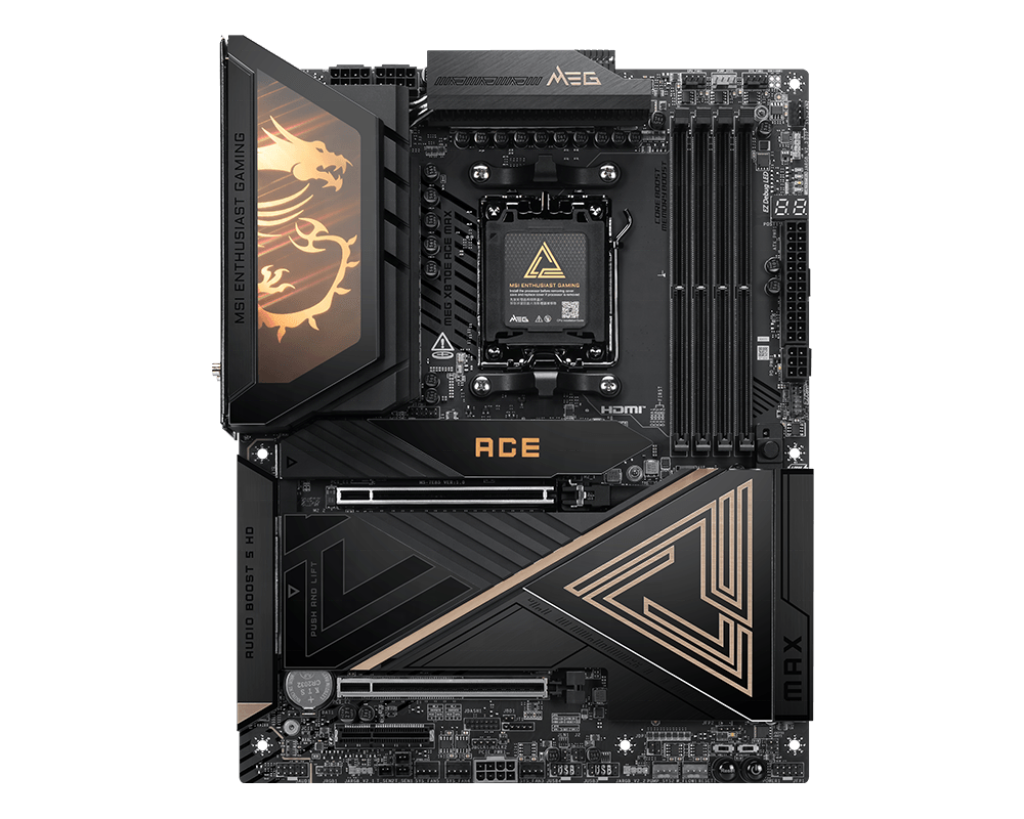

Check Out The Latest ROG Gaming Gear Revealed At CES 2026 . Why More Gamers Are Switching To PC Gaming Best Gaming PC 2025 1 . CES 2026 All Things Gaming MSI Has Announced In CES 2026 Xc MB 03 1024x576 . Upgrade Your System With High Performance Socket 2026 Motherboard Solutions 2026 New MSI MEG X870E ACE MAX AM5 Gaming Motherboard Wi Fi7 10G LAN DDR5 ATX Supports 9000 8000 7000 Series For Gaming AI PC . Best Gaming In 2026 Top 5 YouTube



Best Intel 2026 For Gaming And Work Top Rated Picks Elyamama Best Intel 2026 2a93ddc6c2 . Standard Motherboard Vs Gaming Motherboard What S The Difference Bjvdjb 768x485 . Best AMD AM5 Motherboard 2024 Best Am5 Motherboard . Best Motherboard For Ryzen 9 9950X3D 2026 PC Cores Best Motherboard For Ryzen 9 9950X3D 2025 PCCores.com . Best Motherboard 2026 AMD And Intel CPU Platforms Tested Club386 Best Motherboard 420x420

Best For RTX 5060 Ti In 2026 Our Top Picks PC Guide Best AM4 Motherboard . Does Motherboard Matter For Gaming Performance Best For Gaming . 7 Best Gaming Of 2026 Top Gaming 2025 768x432 . Best B850 In 2026 Our Top Picks PC Guide Best B760 1 . 10 Best Gaming For Intel Platforms April 2026 Expert Reviews Best Gaming For Intel Platforms 768x419

Best B850 In 2026 Our Top Picks PC Guide Best Motherboard For Ryzen 7 9800X3D . How To Choose The Right Motherboard For Gaming 2026 Guide How To Choose The Right Motherboard For Gaming 2026 Guide 1024x576 . Does Apple Make Their Own Chips 2026 Complete Guide Best Intel Z890 . Best Motherboard For RTX 3060 Ti In 2026 Our Top Picks PC Guide Best X570 . 8 Best AM5 For Gaming July 2026 Tested Best AM5 For Gaming 300x167



What Motherboard Do I Need For Gaming TechDiy Info What Motherboard Do I Need For Gaming 1024x576 . Does A Motherboard Make A Difference In Gaming Level Up Your Gaming Gaming Motherboard For Your Setup . 10 Best Gaming June 2026 Expert Tested Reviews Best Gaming 300x164 . Best Gaming In 2024 PC Gamer 970 80 . How Do I Find Out What Motherboard I Have New Year Motherboard Deals 2026 Main

The Best NVME SSDs In 2024 Best Budget Intel 2 . 7 Best AMD 2026 Future Proof Your Build Best Amd Motherboard . Best For Gaming PCs In 2025 Top Picks For Every Budget 2025 Beyond Main . Best AMD For Gaming In 2024 Best Amd Ryzen 9 7950x3d Msi Asus Gigabyte Gamerant Deals 2 Thumb 1 . Thunderbolt Vs USB C What S The Difference A Budget Motherboard