Gallery


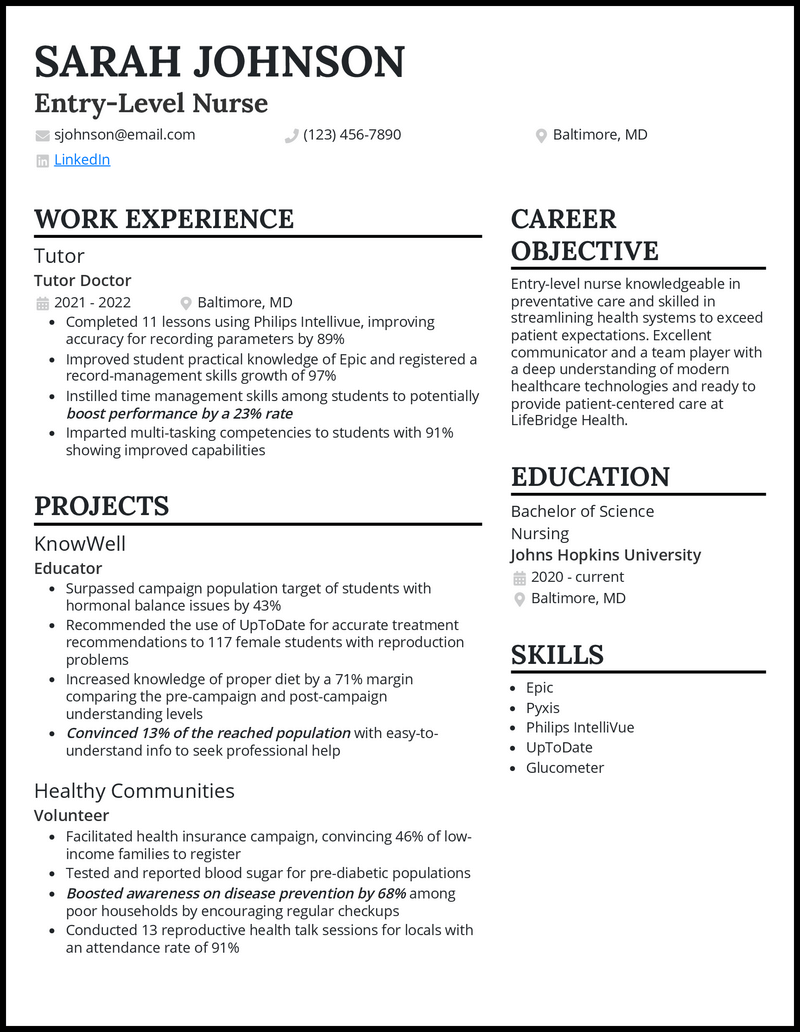
Entry Level Resume Examples Template For 2025 Tips Resumelab Guide 2026 Image That Landed Jobs In 2026 Project Manager Example Best And Templates 2026 Entrylevelengineering 2026 Nurse 2026 Mid IT Proven To Work 2026 Professional Software Developer 2026 Worded Engineer 2026 Free Editable 2024 Resumetemplates Com Bartender 2026 Standout.
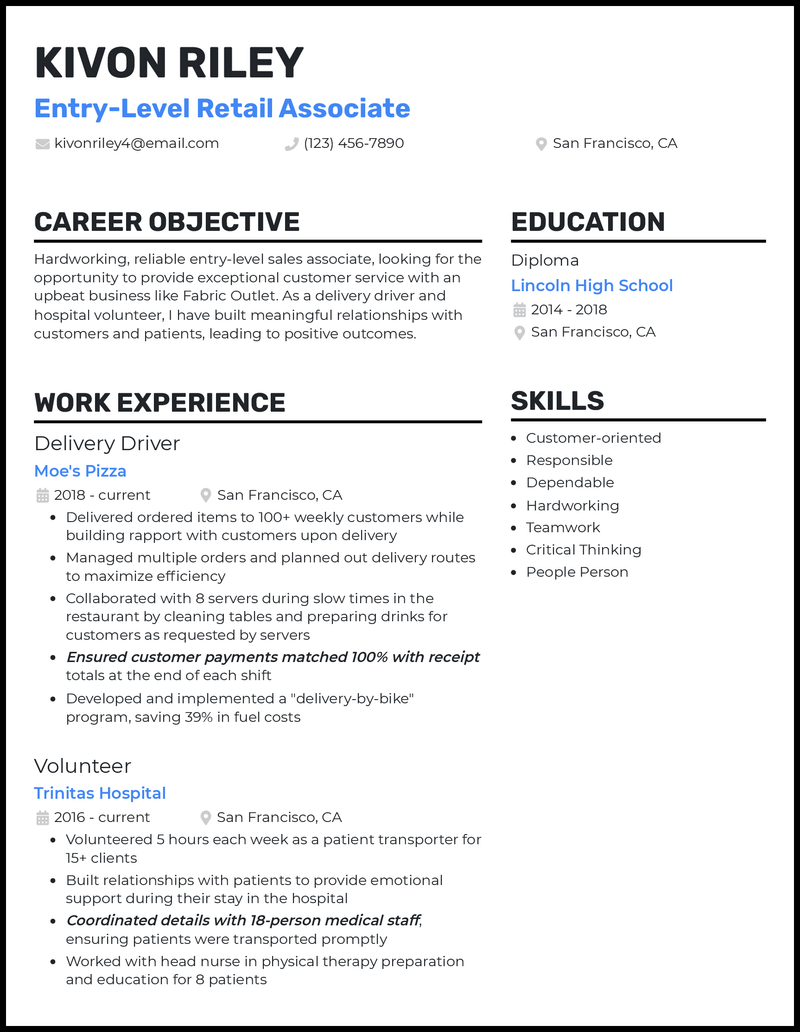

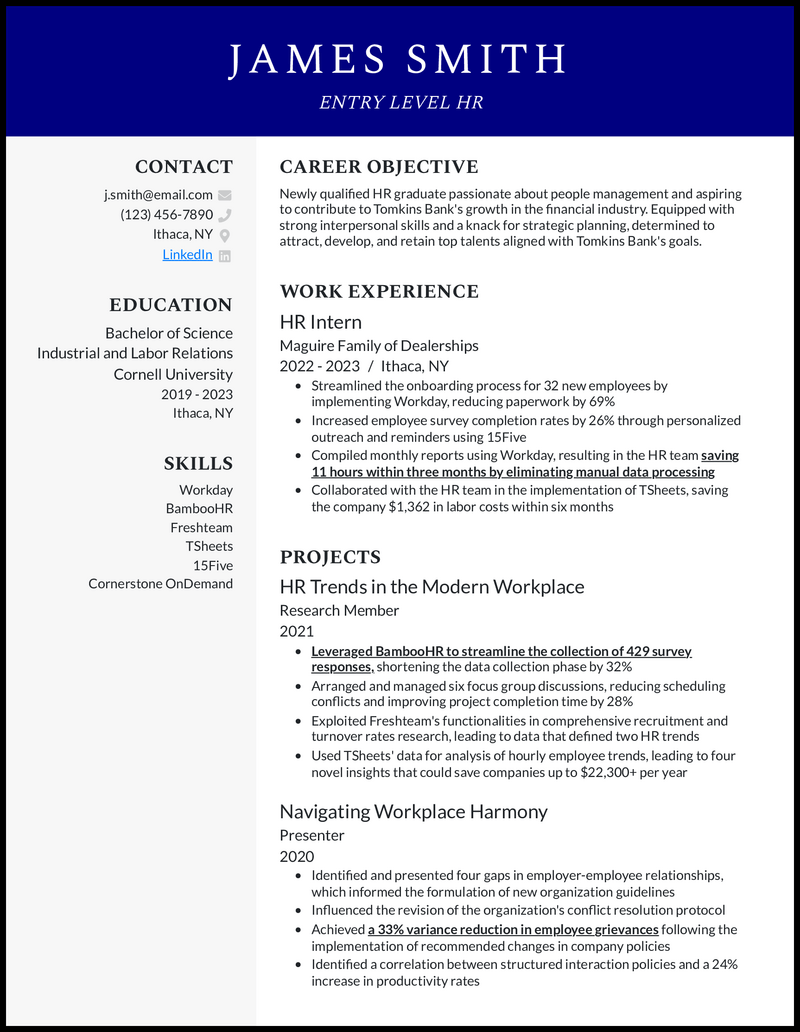
Entry Level Retail Resume Examples For 2026 Standout Example Best And Templates 2026 Senior IT Help Desk 2026 Worded Guide 2026 AHR0CHM6LY9JZG4UZW5OYW5JDI5JB20VCHJLZGVMAW5LZC1LEGFTCGXLCY80OUP2CGVRNZNZALZJS2JTD2O2DVQ3ADH2BMRHAUTJCWVMSKFKDU1UL2LTYWDLLNBUZW That Landed Jobs In 2026 Hr Template Word Download Net KL3GQ Samples 2026 1578044877 Pdf 1578044877 2026 AHR0CHM6LY9JZG4UZW5OYW5JDI5JB20VCHJLZGVMAW5LZC1LEGFTCGXLCY9YNEVIS0D5SNR5VDBQRHZYYUDONGZETNPQS29VREKWNKRXOGQWVKGZL2LTYWDLLNBUZW Medical Coder 2026 System Administrator 2026 Free Format To Edit Online Sample Software Engineer 2026 Elegant.


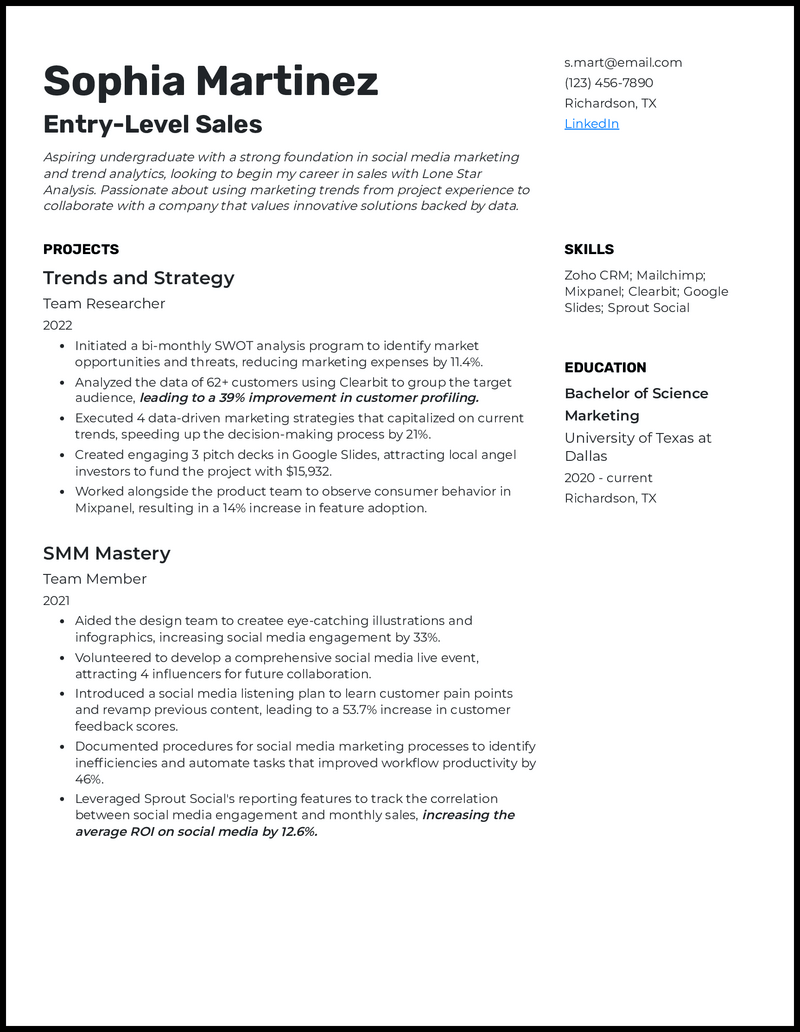
Free Entry Level Professional Resume Template To Edit Online Accountant Examples Templates Entrylevel Example Human Resources For 2026 Standout And 2026 3865976 Junior Account Manager X1000 3865976 X1000 Sales Black Best Information Technology Entrylevelithelpdesksupport IT Guide 2025 AHR0CHM6LY9JZG4UZW5OYW5JDI5JB20VCHJLZGVMAW5LZC1LEGFTCGXLCY9RD1DPZJQWN3RXZGE3TU83AMJIWXJNWKFNMJJVRDQZYLD1RVZYRDNML2LTYWDLLNBUZW Data Sample ATS AI Builder Marketing 2026 Samples 2026 1578045544 Pdf 1578045544 2026.
Key highlights
Frequently Asked Questions
What is the ideal length for an entry level IT resume?
An entry level IT resume should ideally be one page long. Focus on impactful content, strong action verbs, and easy readability to highlight your qualifications concisely. Only extend to two pages if you have substantial, highly relevant academic projects, multiple certifications, or an internship that truly warrants additional space, ensuring every piece of information adds significant value for U.S. employers.
How do I include personal IT projects on my resume?
Detail personal IT projects under a dedicated 'Projects' or 'Experience' section. For each project, describe its objective, the technologies used, your specific contributions, and the outcome or lessons learned. Quantify achievements where possible, such as 'configured a home server to host web applications, improving system uptime.' This demonstrates practical skills and initiative to U.S. recruiters.
Should I include a cover letter with my entry level IT resume?
Yes, always include a tailored cover letter with your entry level IT resume. A cover letter allows you to expand on your motivations, highlight specific skills relevant to the job, and explain how your unique background makes you an ideal candidate. It's an opportunity to show personality and enthusiasm that a resume cannot, making a strong first impression on U.S. hiring managers.
What are the most valued certifications for entry level IT?
For entry level IT roles, highly valued certifications include CompTIA A+, CompTIA Network+, and CompTIA Security+. These credentials validate foundational knowledge in hardware, software, networking, and cybersecurity, respectively. They demonstrate to U.S. employers that you possess practical, industry-recognized skills and are committed to professional development in the tech field.
How important are soft skills on an entry level IT resume?
Soft skills are critically important on an entry level IT resume. While technical proficiency is essential, employers highly value abilities like problem-solving, critical thinking, effective communication, teamwork, and strong customer service. These skills are crucial for collaborating with colleagues and assisting end-users, demonstrating your capability to thrive in dynamic U.S. IT environments.
When should I use an objective statement versus a professional summary?
For modern entry level IT resumes, always use a professional summary or profile statement instead of an objective statement. A professional summary focuses on what you offer the employer (skills, certifications, potential), whereas an objective statement focuses on what you seek. A strong summary immediately highlights your value proposition and aligns better with current U.S. recruitment practices, capturing a recruiter's attention effectively.
Article
How to Create an Entry Level IT Resume Template?Stepping into the vast and evolving field of Information Technology (IT) without prior professional experience can feel daunting. Many aspiring IT professionals wonder how to effectively present their qualifications to potential employers when their work history lacks direct IT roles. Crafting an impactful entry level IT resume is not just about listing what you know; it is about strategically showcasing your potential, eagerness to learn, and transferable skills. This guide provides a comprehensive roadmap for U.S. job seekers, enabling you to construct a resume that captures attention and opens doors to exciting opportunities. Discover how to transform your academic achievements, personal projects, and relevant certifications into a powerful testament to your capabilities in the competitive IT landscape.
The goal of your entry level IT resume is to convince hiring managers that you possess the fundamental knowledge, crucial soft skills, and unwavering dedication required to thrive in an IT environment. Recruiters understand that everyone starts somewhere, and they actively seek candidates who demonstrate a strong foundation and a proactive approach to learning. This tutorial will walk you through each critical section of an entry level IT resume, from crafting a compelling summary to intelligently detailing your education, certifications, and any hands-on experience you have gained through non-traditional avenues. Prepare to build a resume that not only meets industry standards but also powerfully communicates your unique value proposition to American IT employers.
Understanding the Entry Level IT Job Market
The U.S. job market for entry level IT roles is robust and continually expanding, driven by rapid technological advancements and increasing digitalization across all industries. Companies consistently seek fresh talent to fill positions such as IT Support Specialist, Help Desk Technician, Junior System Administrator, and Network Technician. While direct corporate experience might be limited for new entrants, employers highly value candidates who possess a strong foundational understanding of IT principles, demonstrate excellent problem-solving abilities, and exhibit a genuine passion for technology. Recruiters often prioritize practical skills, certifiable knowledge, and a candidate's aptitude for continuous learning over extensive work history, making it crucial to highlight these aspects effectively on your resume.
Navigating this market requires an understanding of what recruiters truly seek beyond a traditional work history. They are looking for indicators of reliability, a strong work ethic, and the capacity to integrate into a team. Transferable skills, such as critical thinking, communication, and customer service, become paramount when direct IT experience is scarce. Many entry level positions involve direct interaction with users, troubleshooting issues, and providing essential support. Therefore, demonstrating your ability to communicate complex technical information clearly and resolve user problems efficiently is a significant advantage. Your resume should subtly weave in these capabilities, showing how your past experiences, regardless of industry, have prepared you for the demands of an IT role.
Showcasing your potential is perhaps the most critical element for an entry level IT resume. This involves highlighting any self-study, personal projects, volunteer IT work, or academic achievements that underscore your commitment to the field. For instance, building a home lab, experimenting with virtual machines, or contributing to open-source projects can be far more impactful than a generic objective statement. These activities signal initiative, practical application of knowledge, and a genuine interest in IT that transcends formal employment. By focusing on these proactive demonstrations of skill and dedication, you can effectively bridge the gap between your current experience and the requirements of your desired IT position, making your resume a powerful tool for career advancement.
Essential Sections for Your Entry Level IT Resume
Contact Information and Professional Summary
Your resume's header should prominently feature your contact information, ensuring recruiters can easily reach you. Include your full name, phone number, professional email address, and a link to your LinkedIn profile. A well-maintained LinkedIn profile is essential in the U.S. job market, offering a more comprehensive view of your skills, endorsements, and network. Avoid including personal details such as age, marital status, or photographs, as these are generally not required and can introduce unconscious bias. The professional summary immediately follows this section, acting as a concise, compelling introduction to your qualifications and career aspirations. It should be a brief paragraph or a few bullet points, tailored to the specific IT role you are applying for, highlighting your most relevant skills and what you bring to the employer.
Crafting a compelling professional summary without extensive experience requires focusing on your strengths, such as your education, certifications, strong technical aptitude, and key soft skills. Instead of stating what you lack, emphasize your potential and enthusiasm for the IT field. For example, rather than saying "Seeking an entry level IT position," articulate, "Highly motivated IT enthusiast with a CompTIA A+ certification and foundational knowledge in network troubleshooting and operating systems, eager to contribute to a dynamic IT support team." Use action verbs and keyword phrases from the job description to make your summary impactful and optimized for Applicant Tracking Systems (ATS). This section is your elevator pitch, designed to grab a recruiter's attention within seconds and encourage them to read further into your qualifications.
When constructing your summary, prioritize keywords that align with common entry level IT job descriptions. Think about terms like "problem-solving," "technical support," "customer service," "network basics," "hardware troubleshooting," and specific software proficiencies (e.g., "Microsoft Office Suite," "Windows OS," "Linux fundamentals"). Consider the role's primary responsibilities and tailor your summary to reflect how your existing skills, even if gained academically or through personal projects, directly apply. For instance, if the role emphasizes customer interaction, highlight your strong communication skills. If it involves system maintenance, mention your understanding of computer hardware. A well-articulated summary effectively sets the stage for the rest of your resume, positioning you as a promising candidate ready to learn and grow within the IT industry.
Education and Certifications
The education section is paramount for an entry level IT resume, especially when professional experience is limited. Clearly list your degrees, diplomas, and relevant coursework, including the institution name, location, degree type, and graduation date (or anticipated date). If your GPA is particularly impressive (e.g., 3.5 or higher), consider including it. Highlight any honors, academic awards, or significant projects that demonstrate your technical abilities or problem-solving skills. For instance, if you completed a capstone project involving network security or database management, briefly describe its scope and your role. Emphasize relevant subjects such as computer science, information systems, cybersecurity, or networking fundamentals, even if your major is not strictly IT-focused.
IT certifications are powerful differentiators and often carry significant weight with U.S. employers, serving as tangible proof of your technical competence. For entry level roles, certifications like CompTIA A+, Network+, and Security+ are highly regarded and can drastically improve your chances of securing an interview. The CompTIA A+ certification, for example, validates foundational IT skills across various domains, making it an excellent starting point. List your certifications clearly, including the certification name, issuing body, and date obtained. If you are currently studying for a certification, you can include it with an "expected completion date," demonstrating your proactive approach to professional development. These credentials directly address the technical skill gap often present in entry level resumes.
Beyond traditional degrees and certifications, highlight any relevant online courses, bootcamps, or specialized training programs you have completed. Platforms like Coursera, Udemy, edX, and local community colleges offer excellent programs in areas such such as Python programming, cloud computing (AWS, Azure), data analytics, and cybersecurity basics. List these under a dedicated "Certifications" or "Professional Development" section, including the course title, platform, and completion date. These non-traditional educational experiences demonstrate initiative, self-discipline, and a genuine commitment to acquiring practical IT skills. They show employers that you are actively investing in your own growth and are prepared to quickly adapt to new technologies, making you a valuable asset to any IT team.
Relevant Skills and Projects
The skills section is a critical component of your entry level IT resume, serving as a quick reference for recruiters to assess your technical capabilities. Divide your skills into categories such as Operating Systems (Windows, Linux, macOS), Networking (TCP/IP, DNS, VPN, basic routing/switching), Hardware (troubleshooting, assembly), Software (Microsoft Office Suite, ticketing systems like Jira, virtualization tools like VMware), and Programming Languages (Python, JavaScript if applicable). Be specific but honest about your proficiency level. Include any cloud computing basics you know (e.g., AWS EC2, Azure VMs). This section should be concise and easily scannable, making it simple for Applicant Tracking Systems (ATS) to identify keywords relevant to the job description.
Do not underestimate the importance of soft skills in an IT role. While technical prowess is essential, employers also seek individuals who can effectively communicate, solve problems creatively, work collaboratively, and adapt to rapidly changing environments. Highlight skills such as critical thinking, active listening, troubleshooting, analytical thinking, teamwork, customer service, and time management. Provide examples of how you have utilized these skills, even in non-IT contexts. For instance, if you worked in retail, you likely honed your problem-solving and customer service skills when assisting shoppers. Weave these into your professional summary or project descriptions to provide context and demonstrate their applicability to an IT environment.
For those without formal IT work experience, personal projects, volunteer work, and academic labs become invaluable. These hands-on experiences demonstrate practical application of your skills and initiative. Detail projects such as building a custom PC, setting up a home network, creating a personal website, configuring a virtual server, or participating in a coding bootcamp final project. For each project, briefly describe the objective, the technologies used, your specific role, and the positive outcome or lessons learned. Quantify achievements where possible (e.g., "Developed a script that automated data processing, reducing manual effort by 15%"). These projects serve as mini-portfolios, proving your capability and passion for IT in a tangible way to potential employers.
Experience Section When You Have None
Successfully navigating the experience section when you lack formal IT employment involves strategically showcasing transferable skills from previous roles. Think about responsibilities you held in non-IT jobs that required problem-solving, attention to detail, organization, customer interaction, or technical aptitude. For example, if you worked in customer service, you developed strong communication and troubleshooting skills, which are crucial for help desk roles. If you managed inventory, you demonstrated organizational skills and potentially used inventory management software. Frame these experiences using action verbs and quantify your achievements whenever possible, even if they aren't directly IT-related, to illustrate your impact and capabilities to potential employers.
Internships, part-time tech support, and volunteer IT work are incredibly valuable for an entry level resume. If you have completed any internships, even unpaid ones, treat them as full professional experiences. Describe your responsibilities, the technologies you worked with, and the skills you gained. Similarly, any part-time roles involving computer repair, technical assistance for friends and family, or setting up equipment for local non-profits can be highlighted under a "Relevant Experience" or "IT Projects" section. These experiences directly demonstrate your willingness to apply your IT knowledge in practical settings and provide tangible proof of your abilities beyond academic study, making your resume more competitive in the U.S. job market.
When quantifying achievements in non-IT roles, focus on metrics that demonstrate efficiency, problem-solving, or positive outcomes. For instance, instead of saying "Assisted customers," try "Resolved an average of 30 customer inquiries daily, improving satisfaction scores by 10%." If you managed a budget, state "Managed a quarterly budget of $5,000 for office supplies, consistently achieving cost savings." Even if the context is not IT, these examples highlight skills like responsibility, efficiency, and impact. This approach allows recruiters to visualize your potential value in an IT setting, demonstrating that you possess the underlying professional attributes necessary for success, regardless of the industry you gained them in previously.
Formatting and Optimizing Your IT Resume
Choosing a clean, professional resume template is crucial for an entry level IT resume. Opt for a modern, uncluttered design that allows recruiters to quickly scan for key information. Avoid overly flashy graphics, complex fonts, or excessive colors, as these can distract from your content and be problematic for Applicant Tracking Systems (ATS). A chronological or combination format is generally recommended, with a clear separation of sections like Contact Information, Professional Summary, Skills, Education, and Experience/Projects. Ensure consistent formatting throughout, including font sizes, bullet points, and spacing. A well-organized layout not only makes your resume aesthetically pleasing but also demonstrates your attention to detail, a highly valued trait in IT roles.
Optimizing your resume for Applicant Tracking Systems (ATS) is paramount in today's U.S. job market. Most large and many small companies use ATS to filter resumes before a human ever sees them. To pass through these systems, strategically incorporate keywords from the job description naturally throughout your resume, especially in your professional summary, skills section, and experience descriptions. These keywords often include specific software (e.g., "Active Directory," "Windows Server"), hardware (e.g., "networking equipment," "PC assembly"), certifications (e.g., "CompTIA A+"), and job functions (e.g., "troubleshooting," "help desk"). Avoid keyword stuffing, which can flag your resume as spam; instead, integrate terms authentically, ensuring they make sense in context and reflect your actual abilities.
The final crucial steps before submitting your entry level IT resume involve meticulous proofreading and tailoring it for each application. Typos, grammatical errors, or inconsistent formatting can instantly undermine your professionalism and attention to detail. Have a trusted friend, mentor, or career advisor review your resume for errors and clarity. Furthermore, resist the temptation to use a generic resume for all applications. Take the time to customize your resume for each specific job description by adjusting your professional summary, highlighting relevant skills, and tweaking experience bullet points to align with the employer's requirements. This targeted approach significantly increases your chances of getting noticed and securing an interview, demonstrating your serious interest in the role.
Common Questions About Entry Level IT Resumes
What is the best resume format for an entry level IT job?
For an entry level IT job, the chronological or combination resume format is generally considered best. A chronological format highlights your education, certifications, and any relevant projects or internships in reverse chronological order. A combination format begins with a strong skills-focused section before moving into chronological details. Both formats are easily parsed by Applicant Tracking Systems and allow recruiters to quickly identify your qualifications, making them ideal for demonstrating your potential when direct work experience is limited.
How do I write an IT resume with no experience?
To write an IT resume with no experience, focus on your education, certifications, relevant coursework, and personal IT projects. Highlight transferable skills from non-IT roles, such as problem-solving, customer service, and attention to detail. Create a compelling professional summary that emphasizes your technical aptitude and eagerness to learn. Include any volunteer IT work, internships, or academic projects that demonstrate practical application of your skills, proving your capabilities to potential employers.
What skills should I include on an entry level IT resume?
On an entry level IT resume, include a blend of technical and soft skills. Technical skills should cover operating systems (Windows, Linux), basic networking (TCP/IP), hardware troubleshooting, and common software (Microsoft Office, ticketing systems). Essential soft skills include problem-solving, critical thinking, communication, teamwork, and customer service. Tailor these skills to match the specific job description, ensuring your resume resonates with the employer's immediate needs and passes ATS filters effectively.
Are certifications more important than a degree for entry level IT?
For entry level IT roles, certifications can often be as important, if not more so, than a degree, especially in specific technical domains. Certifications like CompTIA A+, Network+, or Security+ provide tangible, industry-recognized proof of practical skills, which employers highly value. While a degree provides a broad educational foundation, certifications demonstrate specialized knowledge and readiness for specific job functions. A combination of both a degree and relevant certifications offers the strongest profile for U.S. job seekers.
How long should an entry level IT resume be?
An entry level IT resume should ideally be one page long. For candidates with limited professional experience, a concise, well-organized single-page resume is sufficient to highlight all relevant qualifications without overwhelming the hiring manager. Focus on impactful content, strong action verbs, and easy readability. Only extend to two pages if you have an exceptionally strong academic record, multiple certifications, significant personal projects, or an internship that genuinely warrants the extra space, ensuring every piece of information adds significant value.
What should I put in the objective statement on my IT resume?
Instead of a traditional objective statement, an entry level IT resume should feature a professional summary or profile statement. An objective statement focuses on what you want, whereas a professional summary highlights what you offer the employer. Your summary should be 2-3 sentences or bullet points, showcasing your key skills, certifications, and career aspirations, directly linking them to the job requirements. This approach is more impactful and preferred by modern U.S. recruiters, demonstrating your immediate value.