Gallery
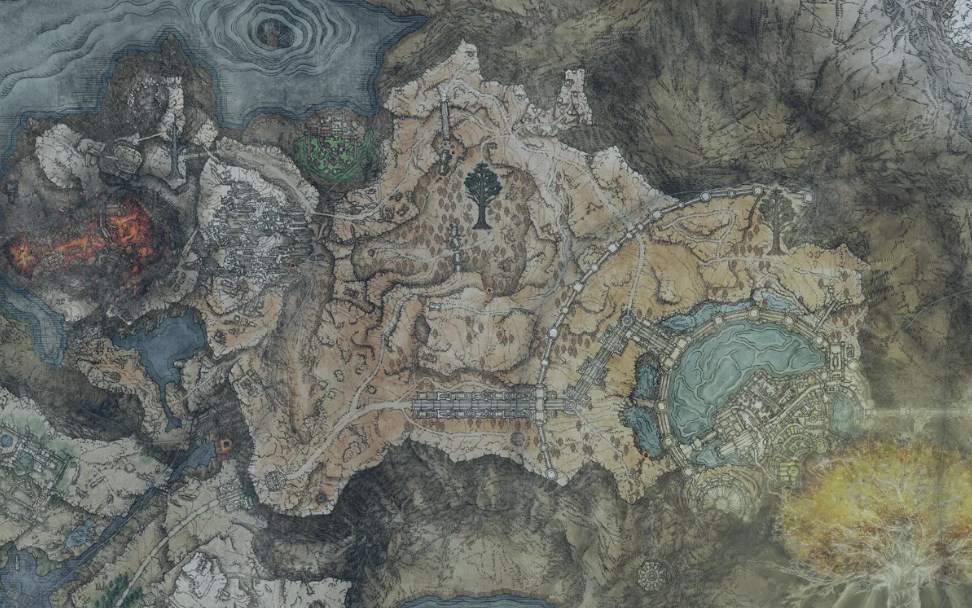


ELDEN RING Interactive Map Bosses Fragments More Adflzb Gamepressure Com 67177966070 All Locations DLC Areas And Secrets Church Greater Types In Sites Of Grace Featured Level Area Order Rock Paper Shotgun 4K Printable Dara Wiki Maps Super Teacher Worksheets USA Shacknews Tips Liurnia The Lakes Komplett Gesamte Netzdot Altus Plateau Guide UPDATED October 2026 Qnnit Screen.


Elden Ring Map Printable Maps Shacknews All Locations DLC Areas And Secrets MAP2 Full En 2025 D4FC6B51067FE7B9B44B68644BFE4FFD Interactive The Lands Between Eurogamer Net Annotated New Patch Makes S Final Boss Easier Gamespot 4335940 World Guide 4335940 USA High Quality Etsy Scaled Is Way Bigger Than We Were Led To Believe 4321431 Shadow Of Erdtree 4321431 Nightreign Rises More 2P8V0I Events Explained Beebom Shifting Earth Crater Event.


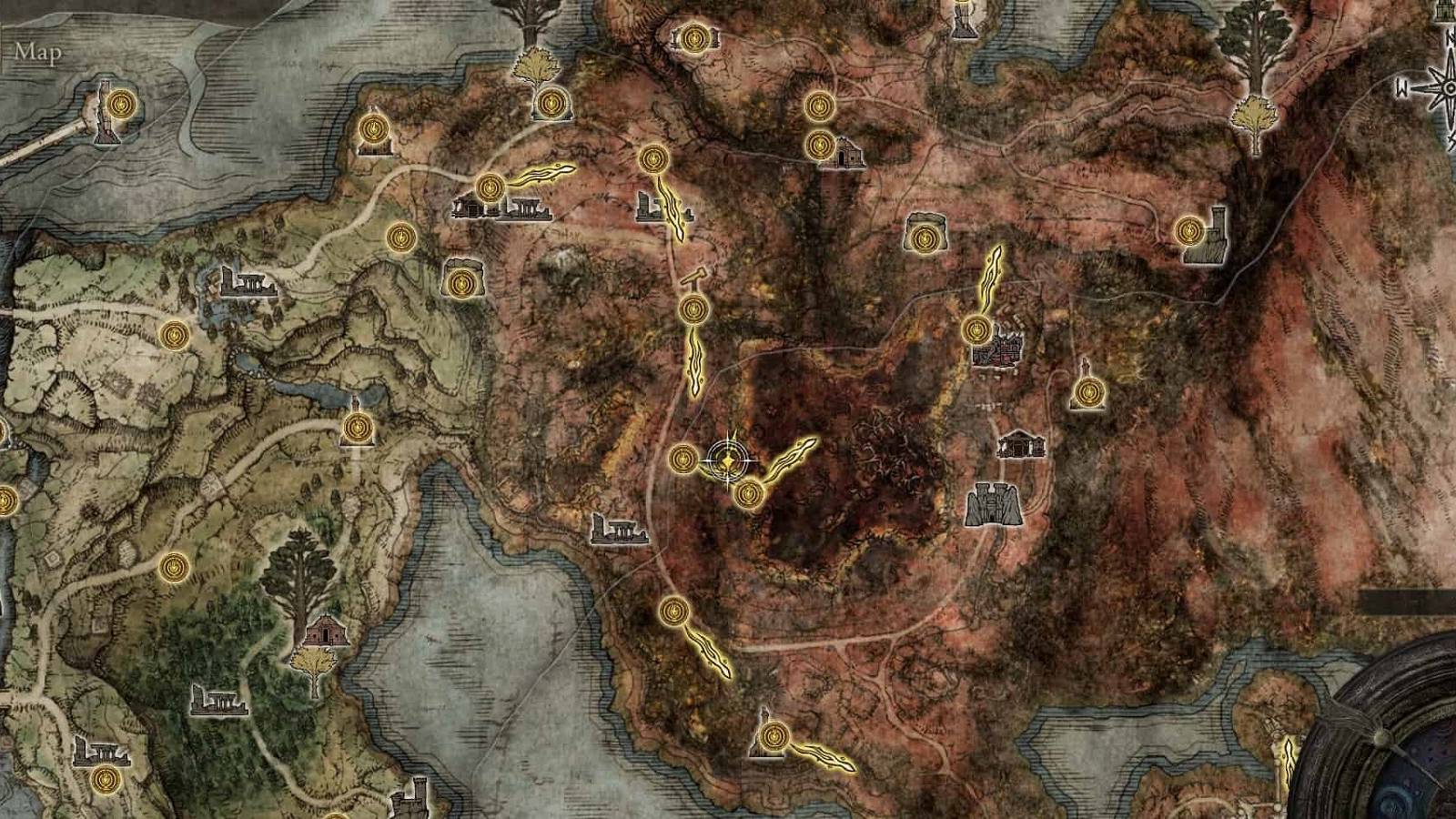
Elden Ring Interactive Map Gamemaps 6zbgcxon6dd91 Rivers Of Blood Katana Build Location And Faqs Realizing S Massive Surprising Size Leveluptalk Overview 2026 B22256B1 1670 47BA 8ce8 C2928895E3ED 2026 B22256B1 1670 47BA 8ce8 C2928895E3ED Nightreign DLC Draws Heavy Criticism From Players Wallpapers Wallpaper Cave WP15987958 Armored Core Biggest Mech Is So Stupidly That It Covers T7WRGERPHFEPIDQ8GZHSFN 1200 T7WRGERPHFEPIDQ8GZHSFN 1200 Filters The Lands Between Eurogamer Net Full All Maps Fragments Recommended Progression Route Order WP15987771.
Key highlights
Frequently Asked Questions
How do you get the full map in Elden Ring?
To get the full map in Elden Ring, you must find and interact with map fragments located on stone pillars in each major region of the Lands Between. Each fragment reveals a specific section of the map, gradually unveiling the entire world as you progress through different areas. Prioritize finding these early in new zones.
Article
Elden Ring Map Mastery Your Ultimate Exploration GuideEmbarking on the journey through the Lands Between in Elden Ring demands a keen understanding of its sprawling, intricate map. This essential tool guides Tarnished warriors through perilous landscapes, revealing ancient ruins, formidable foes, and invaluable treasures. Mastering the Elden Ring map is not merely about knowing where you are but about strategically planning your expeditions, identifying crucial objectives, and uncovering the countless secrets that lie hidden across its vast expanse. For U.S. players aiming for complete mastery, this guide will transform your approach to exploration, turning confusion into confidence and allowing you to navigate the world with unparalleled efficiency. It is the cornerstone of any successful adventure, dictating your path to becoming the Elden Lord.
The Lands Between are deceptively complex, offering layers of verticality and interconnected regions that can easily disorient even seasoned adventurers. A well-utilized map serves as your indispensable companion, helping you piece together the narrative, understand geographical relationships, and plot optimal routes to your next objective. From the sprawling plains of Limgrave to the treacherous peaks of the Mountaintops of the Giants, each area presents unique challenges and opportunities that become clear through careful map study. Understanding its nuances empowers you to make informed decisions about where to go next, what dangers to expect, and how to best prepare for the trials ahead, making your journey both safer and significantly more rewarding.
This comprehensive guide delves into every aspect of the Elden Ring map, offering insights that go beyond basic navigation. We will explore how to acquire all map fragments, effectively use its various marking tools, and interpret its cryptic symbols to reveal hidden paths and crucial landmarks. By adopting a strategic approach to your map usage, you will not only avoid unnecessary backtracking but also unlock a deeper appreciation for the meticulously crafted world FromSoftware has created. Prepare to transform your exploration experience, ensuring that no secret remains undiscovered and every challenge is met with informed confidence, propelling you towards total domination of the Lands Between.
How to Effectively Use the Elden Ring Map?
Understanding Map Fragments and Their Locations
The Elden Ring map initially appears blank, requiring players to actively seek out specific map fragments to unveil each region. These fragments are typically found near prominent landmarks or on pathways within the corresponding area, marked by a glowing stone pillar. Acquiring these fragments is a top priority, as they provide an invaluable visual aid, revealing the topography, major points of interest, and the general layout of the zone. Without these fragments, navigating the game world becomes significantly more challenging, forcing players to rely solely on environmental cues and a limited mini-map. Prioritize collecting these items early in each new region you discover.
Each map fragment is strategically placed to encourage initial exploration while simultaneously offering a tangible reward for venturing into new territory. For example, the Limgrave West map fragment is found shortly after exiting the Stranded Graveyard, guiding new players to understand this crucial mechanic from the outset. Once collected, the map section instantly populates with geographical details, roads, and key landmarks. This phased unveiling of the world not only fosters a sense of discovery but also prevents players from feeling overwhelmed by the sheer size of the Lands Between right from the start, making your exploration more manageable and focused.
Furthermore, understanding the placement of map fragments hints at their importance in mapping progression. They are often located along main roads or near areas you are naturally encouraged to explore. Taking a moment to locate these pillars upon entering a new region saves countless hours of aimless wandering and allows for more efficient resource gathering and quest completion. Always scan the horizon for tall, glowing monuments; they signify the presence of a new map fragment, a critical step toward fully understanding your current surroundings and planning your next move effectively in Elden Ring.
Mastering Map Markers and Beacons
Elden Ring provides an intuitive system of map markers and beacons that players can utilize to customize their navigational experience. These tools are indispensable for marking points of interest, remembering difficult enemy locations, or noting where you left off in a complex dungeon. By placing custom markers, you can effectively create your own personalized guide to the Lands Between, highlighting areas to return to, resources to gather, or difficult bosses to challenge later. This level of customization is crucial for managing the overwhelming amount of information and objectives present in the game, ensuring you never forget a key discovery or a critical path.
Beacons, a specialized form of marker, project a beam of light into the sky within the game world, providing a visible reference point from a distance. This feature is particularly useful for long-distance navigation, guiding you through dense forests, across vast plains, or towards distant castles. Imagine marking a specific dungeon entrance or a desired crafting material location with a beacon; you can then travel towards that luminous column, ensuring you stay on track even in unfamiliar terrain. Mastering the strategic placement of these beacons significantly streamlines your exploration, reducing guesswork and keeping your journey efficient and purposeful across the expansive map.
The ability to place up to 100 custom markers offers immense flexibility in how you approach the game. You can designate markers for everything from merchants and crafting stations to unique enemy encounters or quest objectives. Experiment with different icon types to categorize your marks, making it easier to identify them at a glance. Regularly updating and managing your markers ensures that your map remains a relevant and powerful tool throughout your entire playthrough. This personalized annotation system empowers you to tackle the game’s challenges with a structured approach, always knowing where to go and what to do next in the massive world of Elden Ring.
Decoding Map Icons and Legend
The Elden Ring map is rich with various icons and symbols, each conveying vital information about the game world. Understanding this legend is crucial for efficient exploration and strategic planning. For instance, the small flame icons represent Sites of Grace, your primary checkpoints for resting, leveling up, and fast travel. Familiarizing yourself with these allows you to quickly identify safe havens and plan your routes to minimize risk. Other common icons include churches, indicating potential sacred tear locations or NPC encounters, and ruins, often signifying dungeons or hidden areas worth investigating. Mastering this visual language transforms your map into a powerful intelligence brief.
Beyond the obvious, the map also features subtler visual cues that keen-eyed players can leverage. Areas shaded differently might indicate higher elevation or inaccessible terrain, while distinct geographical features like rivers or mountains help orient you within the landscape. Large, prominent structures depicted on the map often correspond to Legacy Dungeons or major points of interest, signaling challenging but rewarding encounters. Pay close attention to these details, as they provide context for the world around you and can reveal pathways or secrets not immediately apparent during ground-level exploration. The map is a static representation of a dynamic world, and interpreting its depth is key.
Furthermore, recognizing specific enemy encampment icons or dungeon entrances helps in preparing for combat or avoiding unwanted engagements. For instance, the presence of a distinct skull icon might denote a challenging field boss. Before heading into an area, consult your map to gauge potential threats and opportunities. This proactive approach saves time and resources, allowing you to prioritize objectives and tackle challenges on your own terms. Regularly consulting and deciphering the map’s legend makes you a more effective Tarnished, ensuring you are always one step ahead in the Lands Between.
Where to Find All Elden Ring Map Fragments?
Limgrave Map Fragment Location
The Limgrave West map fragment is one of the first and most critical pieces players will acquire. To find it, simply follow the main road east from the Church of Elleh, past the Gatefront Ruins Site of Grace. The map fragment pillar is prominently located directly on the main path, making it almost impossible to miss. This initial fragment reveals the western half of Limgrave, including key areas like Stormgate, Stormhill, and the Agheel Lake North region. Acquiring it quickly establishes your basic navigational capabilities within the game's starting zone, providing a foundational understanding of the world map system in Elden Ring.
For the Limgrave East map fragment, players need to venture further east, past the Murkwater Catacombs and towards the forested area. It is found on the main road that cuts through the Mistwood, specifically near the Mistwood Outskirts Site of Grace. This fragment expands your map knowledge to include areas like Fort Haight and the forest itself, crucial for early game progression and exploration. These two fragments combined provide a complete overview of the Limgrave region, allowing you to effectively plan your routes and uncover its numerous secrets and challenges with confidence.
Liurnia of the Lakes Map Fragment Location
The Liurnia of the Lakes North map fragment is situated on the main road running through the northern part of the region, specifically near the Academy Gate Town Site of Grace. As you progress through Liurnia, you will naturally encounter this pillar, which is often surrounded by minor enemies. Collecting this fragment is essential for navigating the vast, waterlogged landscape of northern Liurnia, revealing the sprawling academy and its surrounding islands. Its acquisition significantly aids in finding crucial quest lines and dungeons within this major game area, making traversal much clearer and more efficient for US players.
For the Liurnia of the Lakes East map fragment, travel towards the eastern side of the region, along the main path that leads past the Eastern Liurnia Lake Shore Site of Grace. The pillar is clearly visible on this route, often guarded by easily dispatched foes. This fragment unveils the eastern sections, including the Carian Study Hall approach and surrounding marshlands. Finally, the Liurnia of the Lakes South map fragment is found on the main southern road, near the Lake-Facing Cliffs Site of Grace. These three fragments complete your map of the entire Liurnia region, a critical step for comprehensive exploration and discovering all its hidden content in Elden Ring.
Caelid Map Fragment Location
The Caelid map fragment is notoriously important given the region's difficulty. It is located on the main road that dissects Caelid, specifically near the Caelid Highway South Site of Grace. This pillar is somewhat out in the open, often surrounded by the region's distinctive scarlet rot-afflicted enemies. Acquiring this fragment is a priority for any Tarnished brave enough to venture into this hostile zone, as it unveils the entire treacherous landscape of Caelid, including the Scarlet Rot swamps and the approach to Redmane Castle. Having this map is crucial for navigating the extremely dangerous environment and planning your survival tactics effectively.
Given Caelid's challenging nature, obtaining this map fragment early can significantly reduce the frustration of exploring its toxic environments. The map clearly outlines safe pathways, major points of interest, and the vast, dangerous areas of scarlet rot. Without it, players risk getting lost in the blight and encountering powerful enemies unexpectedly. Therefore, making a focused effort to reach the Caelid Highway South Site of Grace and grab this map fragment should be a tactical priority before deep dives into the region. It empowers you to navigate strategically and avoid unnecessary deaths in this unforgiving territory within Elden Ring.
Altus Plateau Map Fragment Location
The Altus Plateau map fragment is found on the main path immediately after ascending the Grand Lift of Dectus or exiting the Ruin-Strewn Precipice. It is situated on the road leading north from the Lift, near the Altus Highway Junction Site of Grace. This fragment is vital as it reveals the central, lush region of the Altus Plateau, a significant transition point in the game. Obtaining it opens up access to Leyndell, Royal Capital, and numerous other important areas, making it a critical acquisition for any player progressing through the mid-game content. The clarity it provides for navigation is indispensable for exploring this pivotal region.
For those entering from the Ruin-Strewn Precipice, following the path will also lead you directly to this same map pillar. The Altus Plateau is characterized by its golden hues and open fields, but it still holds many secrets and complex areas. The map fragment helps delineate these, allowing for easier identification of dungeons, minor encampments, and paths leading to other sub-regions. With the Altus Plateau map in hand, you can confidently traverse this beautiful yet challenging area, uncovering its mysteries and advancing your quest to become Elden Lord with a clear navigational advantage.
Mountaintops of the Giants Map Fragment Location
The Mountaintops of the Giants East map fragment is located on the main path through the eastern section of this frigid, late-game region. After traversing the Forbidden Lands and reaching the Mountaintops, follow the main route north from the Grand Lift of Rold. The map fragment pillar stands near the Zamor Ruins Site of Grace, often amidst snowy ruins and formidable foes. This fragment is absolutely essential for navigating the vast, snow-covered plains and treacherous cliffs that characterize the eastern Mountaintops, an area critical for accessing the Forge of the Giants and other endgame objectives. Its acquisition is a high priority for late-game progression.
To obtain the Mountaintops of the Giants West map fragment, you must first progress further into the region, often requiring a side path or specific quest progression. It is typically found near the Freezing Lake Site of Grace, which can be reached by exploring the western areas of the Mountaintops. This fragment completes your understanding of the entire snowy region, including the treacherous western cliffs and the path towards the Consecrated Snowfield. Both map fragments are crucial for efficiently navigating this challenging endgame area, allowing players to identify key landmarks, hostile encampments, and the various paths leading to the final confrontations in Elden Ring.
What Are the Best Elden Ring Interactive Map Features?
Leveraging Online Interactive Maps for Secrets
Beyond the in-game map, numerous online interactive maps exist, providing an unparalleled level of detail and community-driven information. These external resources offer searchable databases for every item, enemy, Site of Grace, and hidden secret in Elden Ring. Many feature filters that allow players to display specific categories of points of interest, from crafting materials to boss locations and quest NPCs. Leveraging these interactive maps is highly recommended for U.S. players looking to achieve 100% completion, find every unique weapon, or simply optimize their farming routes. They serve as an invaluable companion to the in-game map, filling in the blanks and revealing what is not immediately obvious.
The power of online interactive maps lies in their ability to pinpoint exact locations with precision, often accompanied by screenshots or detailed descriptions. For instance, if you are searching for a specific talisman or a particular upgrade material, these maps can show you its precise spawn point, along with any prerequisites or enemies guarding it. This saves countless hours of aimless wandering and allows for highly efficient gameplay. Furthermore, many online maps allow users to track their progress, marking off discovered items or defeated bosses, turning the daunting task of complete exploration into a manageable, step-by-step process. They truly are an optimization specialist's best friend in Elden Ring.
When utilizing these resources, consider comparing different popular options, such as those offered by Fextralife or Map Genie, to find one that best suits your preferred interface and level of detail. Look for features like user comments, which often provide additional tips or alternative strategies for reaching difficult locations. While the in-game map is essential for immersion, online interactive maps are indispensable for uncovering every single secret the Lands Between has to offer. They provide the ultimate competitive edge, ensuring no hidden gem or challenging encounter goes undiscovered on your quest for Elden Lordship.
Comparing In-Game Map vs External Resources
The in-game Elden Ring map and external interactive resources each offer distinct advantages, and a savvy Tarnished utilizes both synergistically. The in-game map provides an organic, immersive exploration experience, fostering a sense of genuine discovery as you unveil its sections with map fragments. It is excellent for macro-level navigation, understanding regional topography, and marking immediate objectives or points of interest with its beacon system. Its simple, clean interface is ideal for quick glances during gameplay, keeping you grounded in the world without external distractions. This raw, direct interaction enhances the adventure, allowing players to feel truly lost and then found.
Conversely, external interactive maps excel in micro-level detail and comprehensive data. They are curated by communities and data miners, offering precise locations for every single item, enemy, NPC, and secret, often with accompanying images or lore snippets. When you need to find a specific crafting ingredient, locate a particular quest giver, or track down a rare boss, an external map is your go-to. It streamlines completionist runs, helps optimize build efficiency by locating specific gear, and clarifies complex quest lines that the in-game map cannot convey. These external tools are like having an encyclopedic guide at your fingertips, perfectly complementing the in-game experience.
Ultimately, the most effective strategy involves using the in-game map for primary navigation and general orientation while actively playing, and consulting external interactive maps during breaks or when faced with a specific challenge or goal. Use the in-game map to absorb the atmosphere and enjoy the journey, and switch to an external resource when you need precise, data-driven answers. This balanced approach ensures you retain the wonder of exploration while still benefiting from comprehensive optimization and efficiency, guaranteeing you miss nothing important during your Elden Ring adventure across the vast Lands Between.
How Does the Elden Ring Map Aid in Progression?
Navigating Dungeons and Legacy Dungeons
The Elden Ring map is surprisingly effective for navigating both minor dungeons and the elaborate Legacy Dungeons, despite their often convoluted layouts. While the map in these areas provides a less detailed overhead view compared to the open world, it still offers crucial information about their general structure and key points. For minor dungeons like caves and catacombs, the map usually outlines the overall shape and indicates the direction of paths, helping players avoid endless circles. It often highlights the boss arena or an exit once discovered, streamlining the process of reaching your objective and securing the rewards. This basic guidance is invaluable for maintaining progress and conserving resources.
For the sprawling Legacy Dungeons, such as Stormveil Castle or Raya Lucarian Academy, the map presents a simplified, layered view. Although it does not show every intricate passageway or hidden room, it clearly delineates major sections, elevator shafts, and connections between different levels. This allows players to understand the dungeon’s verticality and overall flow, making it easier to plan routes and remember where to return. The map might show pathways that lead to locked doors, prompting you to search for alternative routes or keys. By studying these simplified layouts, players can efficiently navigate complex environments, locate critical items, and progress towards the dungeon boss.
Effectively utilizing the map within dungeons also involves strategically placing markers. If you encounter a locked door, a powerful enemy you wish to avoid for now, or a hidden path you want to explore later, mark it on your map. This personalized annotation system ensures you do not forget important details or miss opportunities. Regularly checking the map helps confirm your current location relative to known landmarks and objectives, preventing disorientation in the most labyrinthine areas. The map transforms from a simple guide into a strategic tool, enabling smoother progression through Elden Ring’s most challenging interior environments and ultimately leading to greater success.
Locating Bosses and Important NPCs
The Elden Ring map plays a vital role in helping players locate powerful bosses and important NPCs, even if their exact positions are not always explicitly marked. For major field bosses and world bosses, their locations are often associated with prominent landmarks or geographical features that are clearly visible on the map. For example, a large, open arena depicted on the map might signify a dragon encounter, while a distinct fortress or ruin could point to a challenging knight. By observing these unique map features, players can anticipate encounters and strategically plan their approach, ensuring they are adequately prepared before engaging formidable foes.
Regarding NPCs, while they do not have dedicated map icons, their starting locations or significant quest hubs are often linked to Sites of Grace or other notable places that are marked. For instance, the Church of Elleh is clearly visible on the Limgrave map, and it is here that players first encounter Kale. Similarly, major castles or academy structures will be prominent, hinting at the presence of key characters vital to the storyline. Using the map to navigate to these broad locations allows players to explore the immediate vicinity and discover the NPCs who will offer quests, lore, or crucial services, driving the narrative forward.
Furthermore, interactive online maps become incredibly powerful for pinpointing specific boss arenas or NPC locations if the in-game map’s general indications are insufficient. These external tools often include exact coordinates or visual aids that guide you directly to your target. This hybrid approach—using the in-game map for general navigation and external maps for precision—ensures that no boss remains unchallenged and no important dialogue is missed. Mastering the art of locating these critical entities through the map system is fundamental for complete Elden Ring progression and unraveling the full scope of the Lands Between story.
Planning Efficient Route Optimization
Efficient route optimization is a cornerstone of successful Elden Ring gameplay, and the map is your primary tool for achieving it. With its vast open world, backtracking can be a significant time sink. By studying the map, players can identify natural choke points, interconnected regions, and paths that lead to multiple objectives. Planning a route that visits several points of interest in a single journey—such as a Site of Grace, a map fragment, a dungeon, and a resource gathering spot—maximizes your exploration efficiency. This strategic foresight minimizes wasted travel time and ensures that every expedition contributes meaningfully to your progression in the Lands Between.
Consider using the map to identify the most direct path between your current location and a distant objective, taking into account terrain, known enemy positions, and available Sites of Grace for fast travel. For example, if you need to reach a specific area across a large body of water, the map will show bridges or land bridges that offer the safest and most efficient crossing points. Avoiding long detours through dangerous areas by choosing a more circuitous but ultimately safer and faster route is a hallmark of an optimized plan. The map reveals these opportunities for smart navigation, transforming daunting journeys into manageable treks for the Tarnished.
Moreover, the map is invaluable for planning multi-stage explorations, especially when combining different types of objectives. You can mark a series of Sites of Grace, potential hidden paths, and the general direction of your next major boss. By visualizing these elements on the map, you create a mental roadmap that guides your gameplay, ensuring you make the most of every venture into the wilderness. This proactive approach to route optimization, driven by thorough map analysis, not only saves time but also reduces frustration, allowing you to fully immerse yourself in the rich world of Elden Ring without feeling constantly lost or overwhelmed.
People Also Ask About the Elden Ring Map
How to unlock the Elden Ring map?
The Elden Ring map is unlocked region by region by finding specific Map Fragments. These fragments are typically located on glowing stone pillars along the main roads or prominent pathways within each new area you discover. Approach the pillar and interact with it to automatically unveil the corresponding section of the map, providing essential geographical details and landmarks for navigation.
Are there any secret areas not shown on the map?
While the map provides extensive coverage of the Lands Between, some truly secret areas or hidden paths, especially within dungeons or illusionary walls, are not explicitly marked. The map often indicates larger areas, but uncovering every small alcove or false wall requires thorough exploration and keen observation within the game world itself. Online interactive maps can help pinpoint these elusive spots.
Can I place custom markers on the Elden Ring map?
Yes, you can place numerous custom markers on the Elden Ring map to designate points of interest. This feature is highly useful for remembering locations of merchants, crafting materials, difficult enemies, or areas you wish to revisit. You can also use Beacons, which project a visible beam of light into the sky, offering a long-distance navigational aid in the game world.
Does the map show enemy locations?
The in-game map generally does not show the precise locations of individual enemies or enemy camps. However, it often depicts major points of interest like ruins or fortresses which are highly likely to contain hostile forces. For detailed enemy locations, especially for specific powerful foes, players typically rely on environmental cues or consult external interactive maps for precise data.
How accurate is the Elden Ring map for vertical exploration?
The Elden Ring map offers a simplified, layered view for areas with significant verticality, such as Legacy Dungeons. While it shows major connections and different levels, it does not depict every intricate vertical pathway or hidden ledge. Players must still rely on careful in-game exploration to navigate complex vertical spaces, using the map as a general guide rather than a precise vertical blueprint.
Is there a fast travel system associated with the map?
Yes, Elden Ring features a robust fast travel system directly linked to the map. Once you activate a Site of Grace, you can fast travel to it at any time from almost anywhere on the map, provided you are not in combat or specific restricted areas. This allows for incredibly efficient traversal across the vast Lands Between, enabling quick returns to quest givers or challenging areas.
Conclusion: Master Your Map, Master the Lands Between
Mastering the Elden Ring map is not just an option but a crucial necessity for any Tarnished seeking to conquer the vast and treacherous Lands Between. By diligently collecting map fragments, strategically deploying custom markers and beacons, and meticulously deciphering its various icons, you transform a daunting wilderness into a navigable domain. This guide has equipped you with the knowledge to optimize your exploration, streamline your progression, and uncover every hidden secret, ensuring no challenge goes unforeseen and no treasure remains undiscovered. For U.S. players, embracing the map as your primary strategic tool will fundamentally enhance your Elden Ring experience.
The benefits extend beyond mere navigation; a deep understanding of the map fosters efficient resource management, enables proactive combat planning, and facilitates the discovery of vital questlines and powerful equipment. Whether you are pinpointing the next boss arena, tracking down an elusive NPC, or simply charting the most efficient path through a dangerous region, the map empowers you to make informed decisions that directly impact your success. Remember that while the in-game map provides an organic sense of discovery, supplementing it with external interactive maps offers unparalleled precision for completionists and strategists. Use both to your advantage.
Ultimately, your journey through Elden Ring is a personal epic, and the map serves as your chronicle of adventure. By applying the strategies outlined here, you will not only navigate the Lands Between with confidence but also develop a deeper appreciation for its intricate design. Continue to explore, adapt, and refine your map-reading skills. The path to becoming Elden Lord is long and arduous, but with your map mastered, you possess the ultimate guide to overcoming every obstacle. Go forth, Tarnished, and claim your destiny, armed with the wisdom of the Lands Between's complete cartography.